Choosing the right team to rebuild your home after a disaster is a critical decision that affects not only the immediate look of your property but also its long-term safety and structural integrity. Flame damage, extreme heat, and toxic smoke can take a massive toll on a building's framework, making specialized intervention essential. Professional
fire restoration services act as a comprehensive safety net for your investment, significantly bolstering property longevity by fixing deep structural issues and compromised support materials that are often completely overlooked during a basic visual inspection.
Buildings rely heavily on a flawless structural layout for load-bearing capacity, roof support, and overall physical stability. Specialized disaster recovery crews handle a wide array of technical procedures, filling the gaps in skeletal support that naturally occur after a catastrophic event. By introducing these vital alignment and stabilization processes into your property recovery plan, you ensure your home or commercial space reaches its full structural potential. The ultimate result is a balance of completely safe, code-compliant framing beneath the surface and a highly resilient, deeply stable foundation underneath.
1. Understanding the Extent of Fire Damage
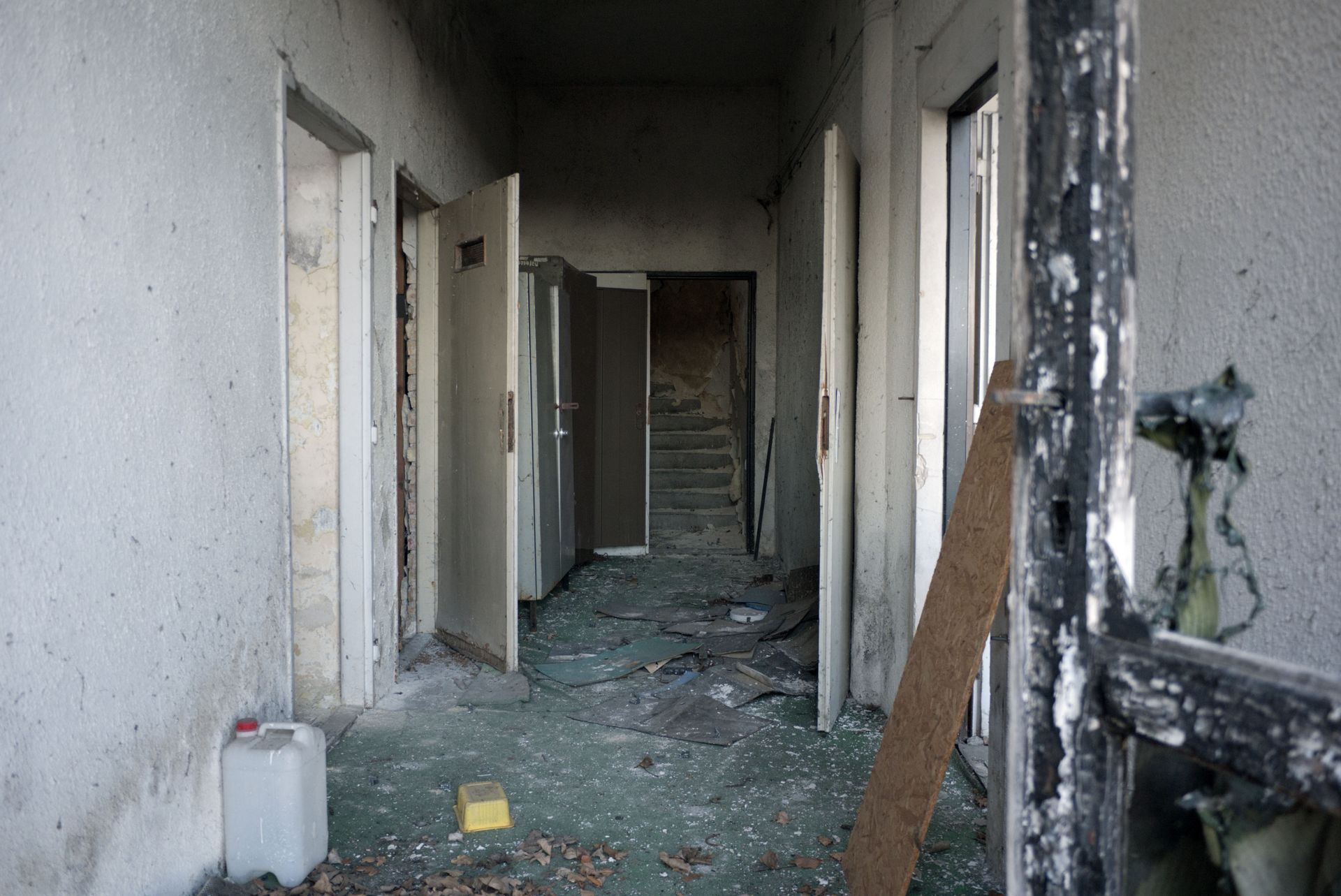
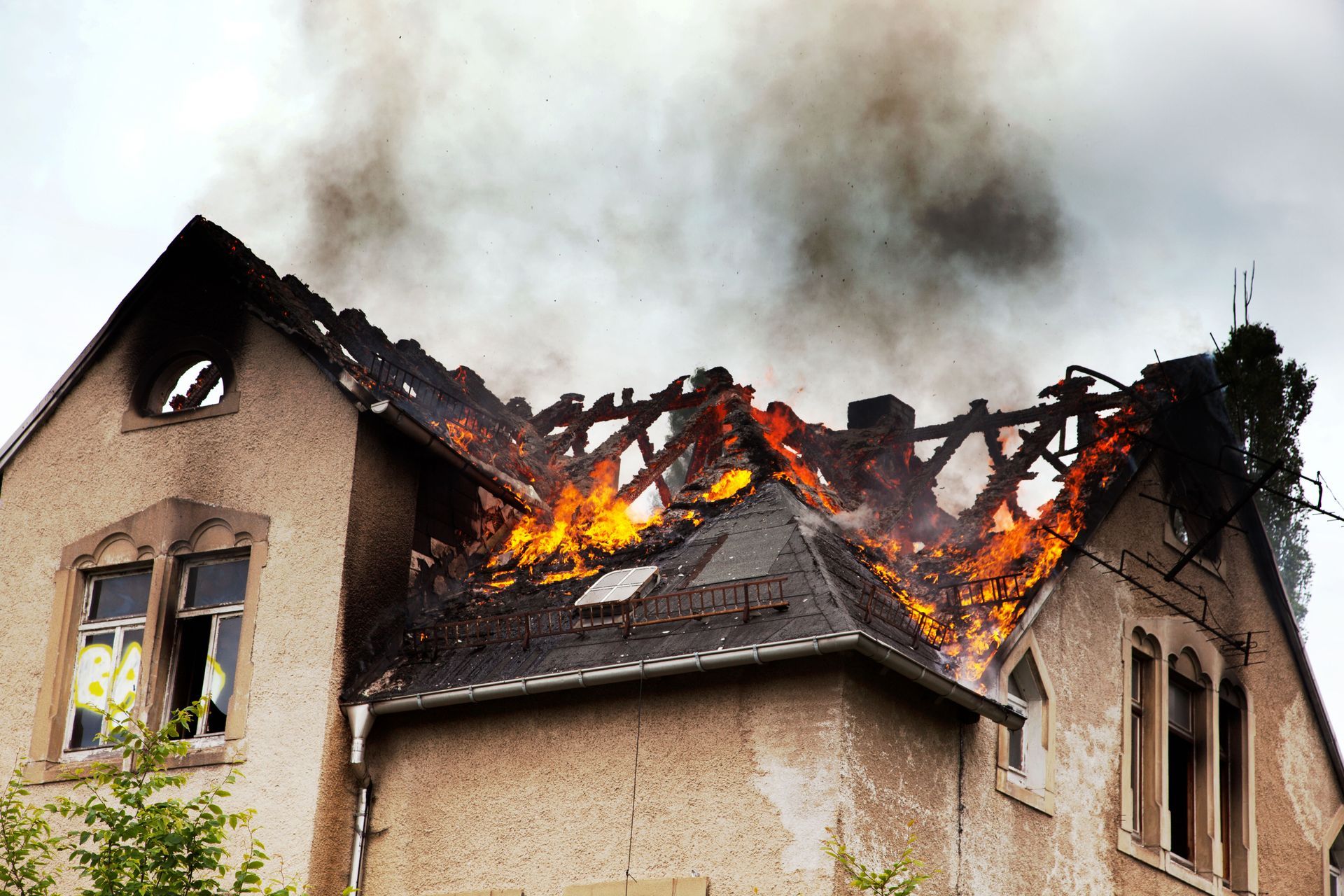
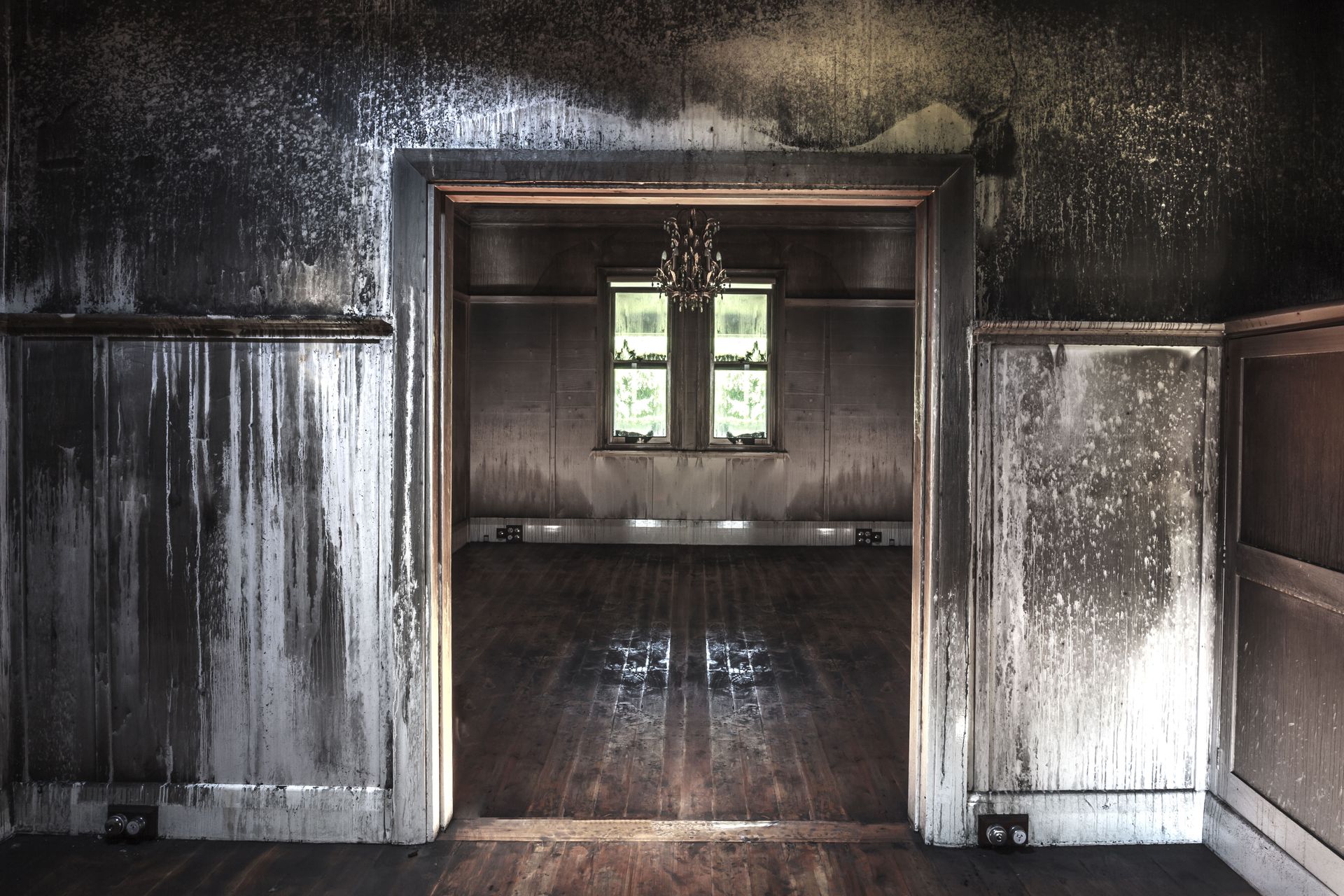
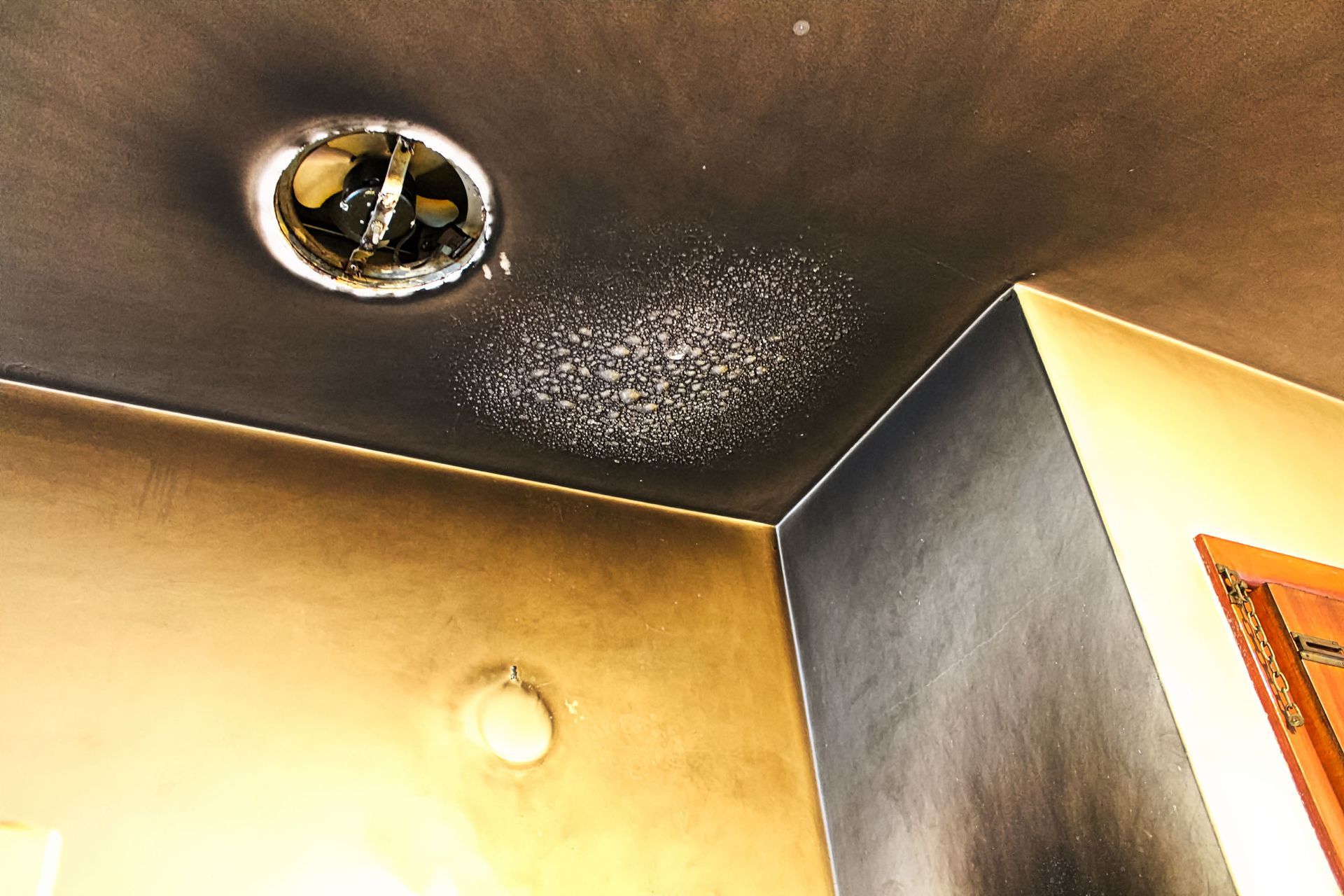
When a property suffers from severe thermal exposure, it will quickly begin to broadcast its structural distress through highly visible physical symptoms. Common red flags of an endangered framework include warped steel beams, charred load-bearing columns, sagging rooflines, and crumbling masonry walls. Neglecting these early warning signs leaves your building incredibly weak, drastically reducing its load capacity while throwing the door wide open to catastrophic structural collapses down the road. To prevent these dangerous hazards from putting anyone at risk, recovery teams rely on meticulous initial inspections and specialized engineering tools to assess the building's physical health.
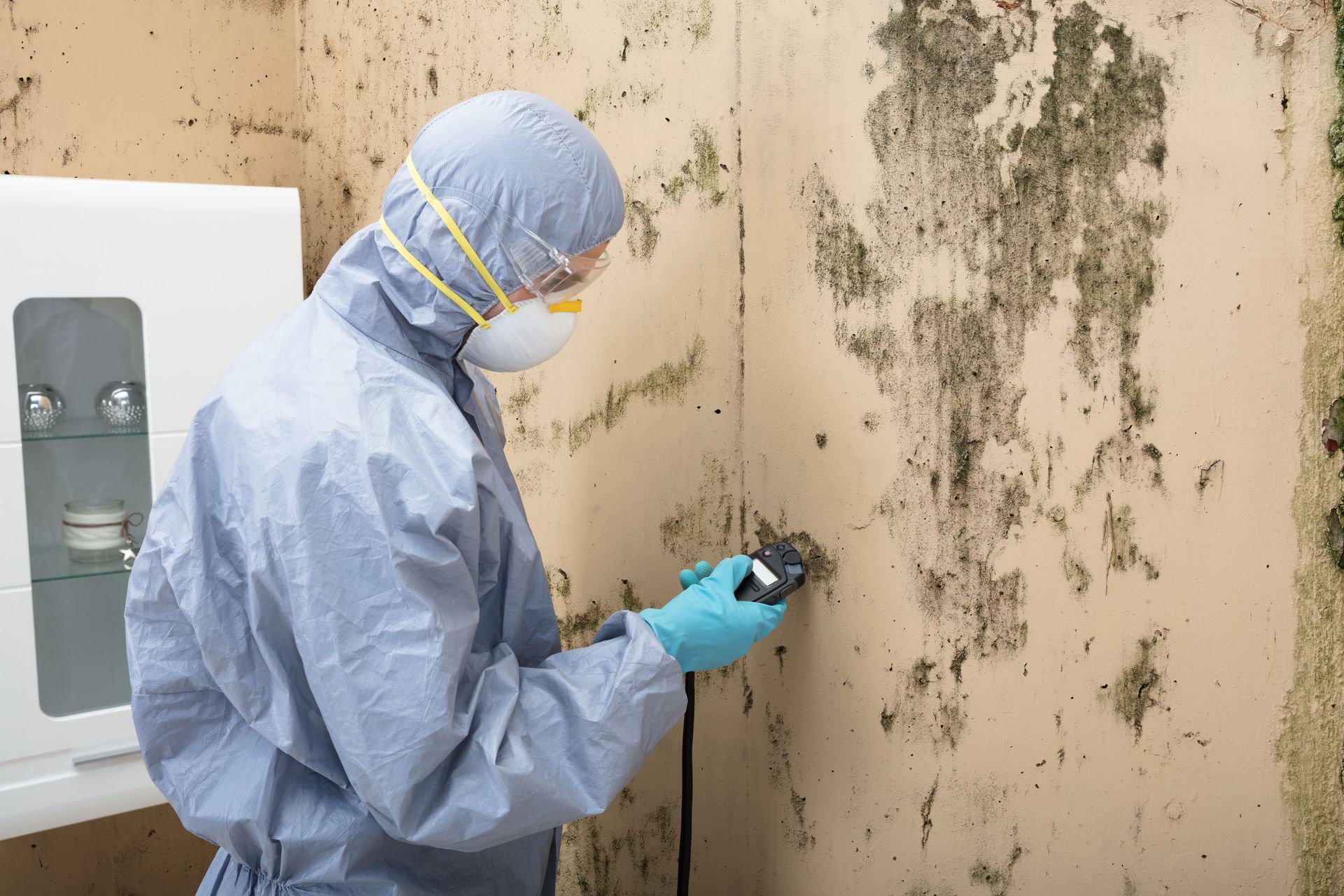
Accurate diagnostic technology allows restoration professionals to pinpoint hidden structural failures that are completely invisible to the naked eye. According to the United States Fire Administration, they estimate that wood stoves cause over 4,000 residential fires every year. This specific statistic highlights a widespread, highly localized cause of thermal destruction, emphasizing the need for advanced testing methods to evaluate framing hidden directly behind blackened drywall. By leveraging infrared thermography, moisture meters, and structural sensors, certified technicians can confidently track the precise boundary lines of both heat degradation and firefighting water damage.
2. Implementing Temporary Stabilization Measures
Achieving a safe, successful restoration environment requires an immediate investment in robust temporary stabilization systems to counteract structural shifting. Certified crews immediately deploy advanced shoring and bracing techniques, using heavy-duty hydraulic jacks and solid wood posts to reinforce weakened floor joists and buckling load-bearing walls. This critical temporary infrastructure absorbs the active weight of the building, completely protecting field technicians and preventing minor structural defects from escalating into a total collapse. Securing the physical shell from the very beginning provides the necessary stability required to safely execute long-term framing repairs.
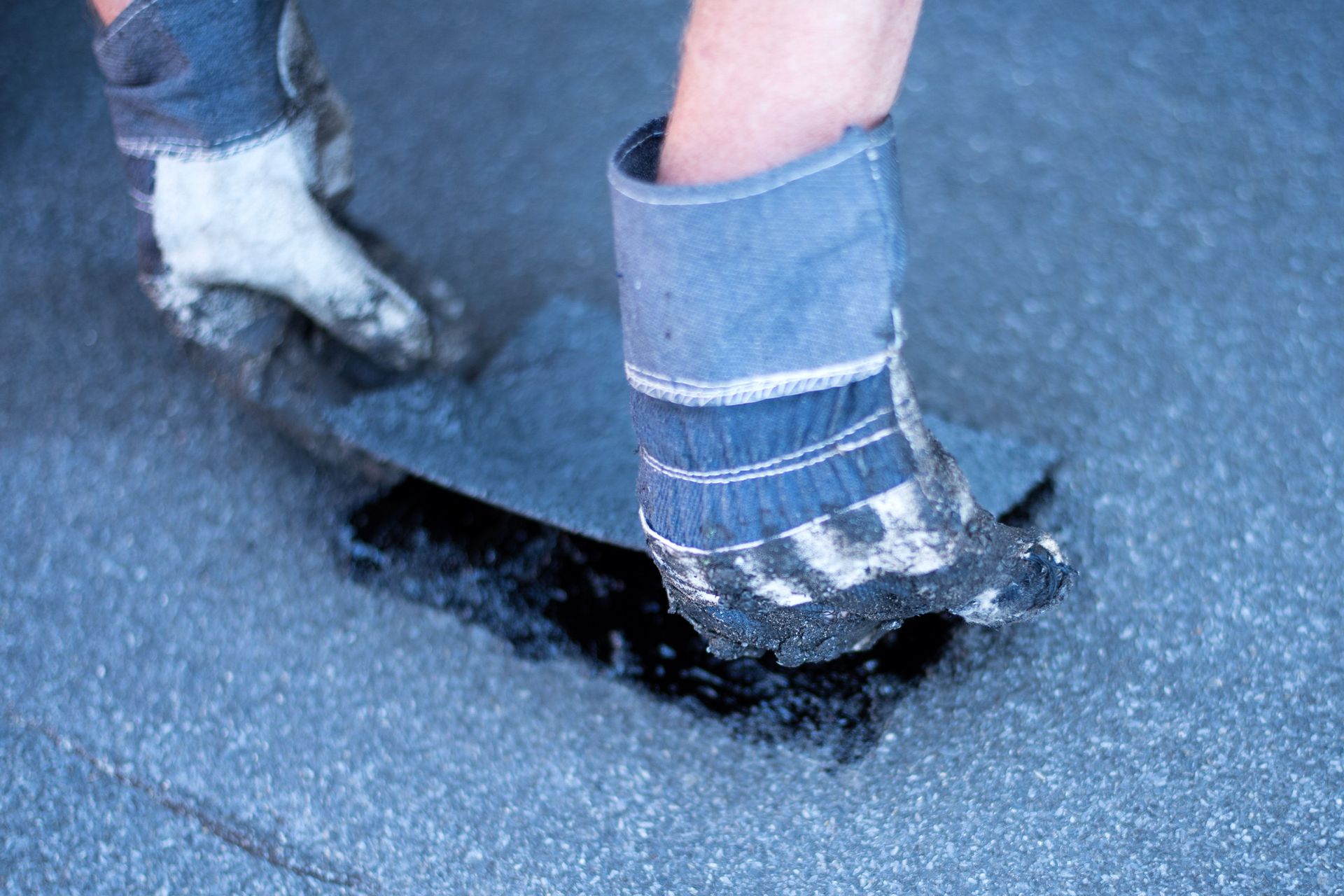
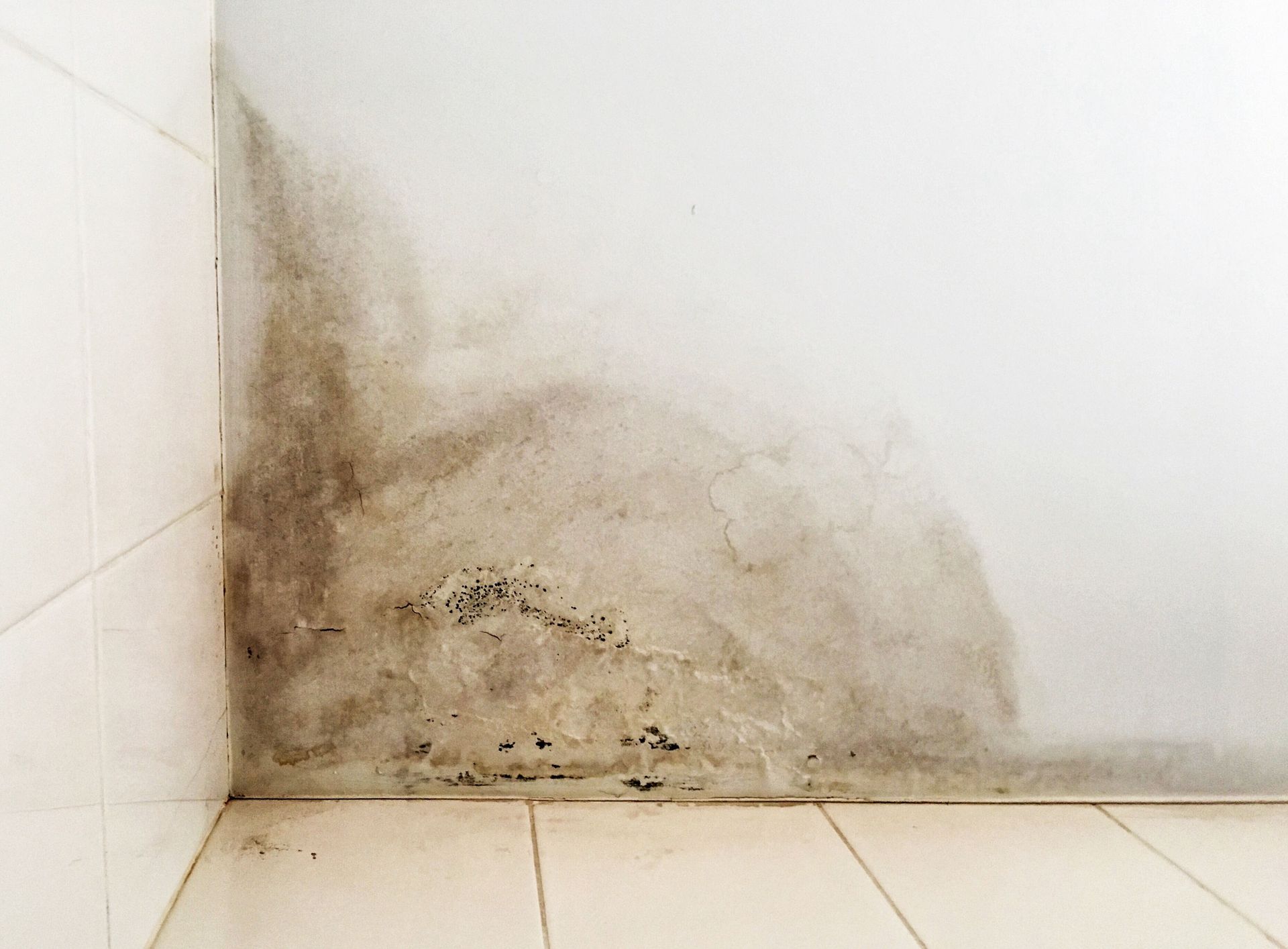
Alongside structural bracing, stabilization teams must act quickly to insulate the building's interior from secondary environmental degradation. High-powered fires often burn through roofs and blast out windows, exposing the vulnerable interior framing to rain, wind, and invasive pests. Professionals install heavy-duty roof tarps, structural board-ups, and temporary waterproofing membranes to shield the remaining undamaged framework from immediate weather elements. This proactive environmental defense prevents wood rot and widespread mold outbreaks, saving property owners thousands of dollars in secondary structural replacement costs.
3. Cleanup and Debris Removal with Safety in Mind
The physical execution of clearing out fire debris requires heavy-duty machinery, specialized protective equipment, and a highly strategic approach to site safety. Crews systematically remove charred drywall, ruined insulation, and collapsed ceiling panels, focusing heavily on areas that directly impact the building's core stability. Rushing through this cleanup phase without proper structural awareness can easily shift active weight loads, trigger secondary structural failures, or endanger workers on site. Maintaining an organized, technically sound debris plan ensures that the underlying framing is completely exposed and prepared for permanent reconstruction.
Beyond the physical weight of the debris, fire sites feature a toxic cocktail of airborne contaminants, pulverized ash, and dangerous carbon deposits. Restoration specialists deploy commercial-grade HEPA air scrubbers, negative pressure air machines, and specialized containment barriers to keep toxic dust from escaping into surrounding neighborhoods.
4. Structural Restoration and Reinforcement
Once the workspace is stabilized and cleared of debris, the permanent reconstruction of the building's skeletal framework can officially begin. Skilled carpentry crews cut away charred framing sections, replacing compromised lumber and bowed steel with premium building materials engineered to match or exceed original load requirements. Technicians apply specialized structural sistering techniques, running brand-new joists directly alongside older, slightly singed supports to double their physical strength. This meticulous reinforcement phase permanently restores the load-bearing integrity of the property, ensuring it can easily withstand long-term gravitational stress.
5. Ensuring Electrical and Plumbing Safety
Extreme thermal energy doesn't just ruin the outer shell of a building; it routinely cooks the vital electrical and plumbing lines hidden deep inside the walls. Electricians must completely overhaul scorched wiring grids, replacing melted insulation jackets, warped breaker panels, and compromised outlets to prevent future electrical arc fires. Simultaneously, plumbing technicians pressure-test copper and PVC lines, checking for hidden fractures caused by boiling water or structural shifting during the fire. Restoring these internal utility grids to pristine working order is an absolute prerequisite for transforming a damaged structure back into a liveable home.
6. Coordination and Communication with Stakeholders
Navigating the complex financial and legal aftermath of a major property fire requires an immense amount of paperwork, detailed cost estimations, and structural proof. Reputable restoration firms work directly with your insurance adjusters, providing line-item damage logs, thermal photos, and architectural blueprints to expedite your structural claim approvals. They coordinate directly with local zoning boards to secure the heavy-duty building permits required to execute major structural reconstruction. This seamless corporate coordination eliminates administrative bottlenecks, allowing your project to transition smoothly from the demo phase to final construction.
Throughout the multi-week restoration journey, maintaining absolute transparency with property owners and immediate neighbors is essential for reducing logistical friction. Project managers supply predictable weekly progress reports, outlining specific construction milestones, air quality test results, and final inspection timelines. This consistent communication pipeline builds deep trust, helping families manage the emotional stress of property displacement with confidence. Prioritizing clear, human-centric interaction ensures that the physical rebuilding of your home is matched by an equal restoration of personal peace of mind.
Navigating the complex reality of property recovery requires a consistent investment in precision technology, certified structural engineering, and strategic stabilization. Thorough damage assessment acts as the structural backbone of a successful fire restoration, ensuring your living or working spaces remain visually stunning, exceptionally durable, and structurally safe for decades to come. By committing to professional craftsmanship and detailed post-cleanup checks, you actively safeguard the long-term equity, beauty, and safety of your real estate investment.
Taking your property's structural safety and structural integrity to the next level requires a deliberate strategy, a proven restoration timeline, and the right professional backing. Whether you need to erase secondary water damage from firefighting efforts, reinforce charred roof trusses using advanced sistering techniques, or completely overhaul a compromised internal electrical grid, having an expert team guide your property makes all the difference. To find the exact tools, specialized maintenance frameworks, and premium nutritional resources required to elevate your outdoor or indoor spaces, visit Tri Cat Restoration online today to view their service options.