October 21, 2026
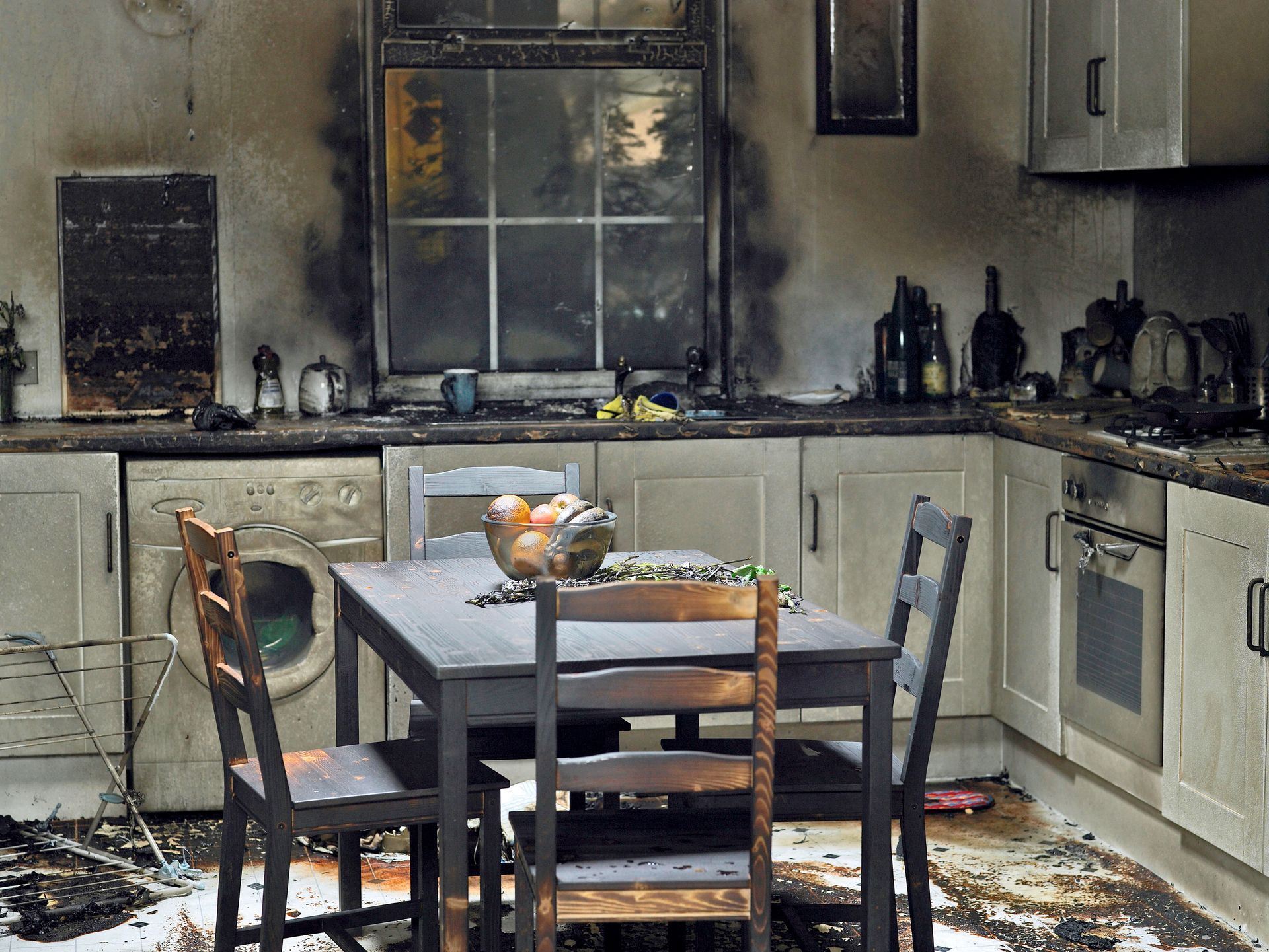
In the aftermath of a fire, fire restoration services play a crucial role in returning homes and businesses to their previous conditions. The process involves addressing several key areas to ensure safety, structural integrity, and aesthetic restoration. This article examines the major areas tackled by restoration professionals after a fire. Fires are a devastating force, causing significant damage each year. According to The Zebra, an average of 358,500 homes experience a structural fire each year, highlighting the importance of proficiently executed restoration efforts.
1. Structural Assessment and Safety
1.1. Initial Safety Inspection
After firefighters have extinguished the blaze, fire restoration services must conduct an initial safety inspection. This step is crucial to assess the extent of damage and ensure it's safe for workers and homeowners to enter the premises. Inspectors examine support beams, walls, and roofing for signs of weakness. Only after confirming structural safety can restoration efforts begin. This initial assessment helps prioritize areas that need immediate attention to prevent further damage.
1.2. Stabilizing Structural Elements
Once the safety inspection is complete, stabilizing critical structural elements is the next priority. Professionals use various techniques to temporarily shore up weak or damaged sections of the building. This may involve reinforcing walls or providing temporary support to ceiling structures. Stabilization is important to prevent collapse or further deterioration of the building. Techniques are tailored to each scenario based on the extent and location of structural damage.
1.3. Identifying Hidden Damage
Hidden damage often poses challenges in fire restoration. While some damage is visible, fire can cause structural compromises that are not immediately apparent. Restoration experts use advanced tools and techniques, such as infrared cameras, to identify damage that could compromise the building's integrity. Finding this hidden damage early prevents future structural failures. Addressing these issues during initial restoration is crucial to ensuring long-term safety.
1.4. Compliance with Building Codes
It's vital that restoration work complies with current building codes. Professionals must familiarize themselves with local regulations that might have changed since the structure was originally built. This often involves collaboration with local authorities to ensure that all repairs and rebuilds adhere to current safety standards. Compliance ensures that any reconstructed elements are safe and legally sound. Updating structures to conform to modern codes can also enhance overall safety and energy efficiency.
2. Smoke and Soot Removal
2.1. Assessing Smoke Damage
Assessing smoke damage is a critical component of fire restoration. Smoke can permeate porous materials and leave behind soot deposits that are both unsightly and harmful. Professionals evaluate the extent of smoke penetration to determine suitable cleaning methods. Different materials require specialized cleaning techniques to effectively remove soot and smell. Smoke damage assessment informs the entire restoration strategy.
2.2. Surface Cleaning and Sealing
Cleaning and sealing contaminated surfaces is essential for smoke and soot removal. Professionals apply cleaning agents that bind to and lift soot particles. Some surfaces, like painted walls and ceilings, may need sealing solutions to prevent residual odors from resurfacing. Ensuring all surfaces are properly treated helps restore the environment to healthy living conditions. Sealing provides an extra layer of protection against future odor issues.
2.3. Odor Neutralization Techniques
Odor neutralization is integral to restoring air quality after a fire. Techniques such as thermal fogging or ozone treatments are commonly used. These methods penetrate areas affected by smoke and work to neutralize lingering odors. Professionals also use air scrubbers and vent cleaning to address pollutants. Addressing air quality comprehensively ensures that spaces are conducive to safe living and working.
2.4. Air Quality Testing
To verify the effectiveness of smoke removal efforts, restoration professionals perform air quality testing. This testing measures particulate levels and checks for lingering smoke compounds. Thorough testing confirms that the restoration has successfully mitigated air contamination. By ensuring safe air quality, homeowners can have peace of mind returning to their spaces. Monitoring air quality can also help in preventing long-term health issues.
3. Water Damage Mitigation
3.1. Water Extraction Methods
To combat water damage from firefighting efforts, rapid water extraction is critical. Fire restoration services use pumps and vacuums designed to remove large volumes of water quickly. Swift action in water removal helps prevent mold growth and additional destruction. The methodology is chosen based on the area size and degree of water saturation.
3.2. Drying and Dehumidifying Affected Areas
Once water is extracted, focusing on drying and dehumidifying is paramount. Industrial-grade fans and dehumidifiers speed the drying process. This step is vital in preventing mold formation and reducing lingering moisture. Identifying and removing moisture minimizes the chance of further structural concerns developing. Effective drying prepares the space for additional repair and reconstruction work.
3.3. Mold Prevention Strategies
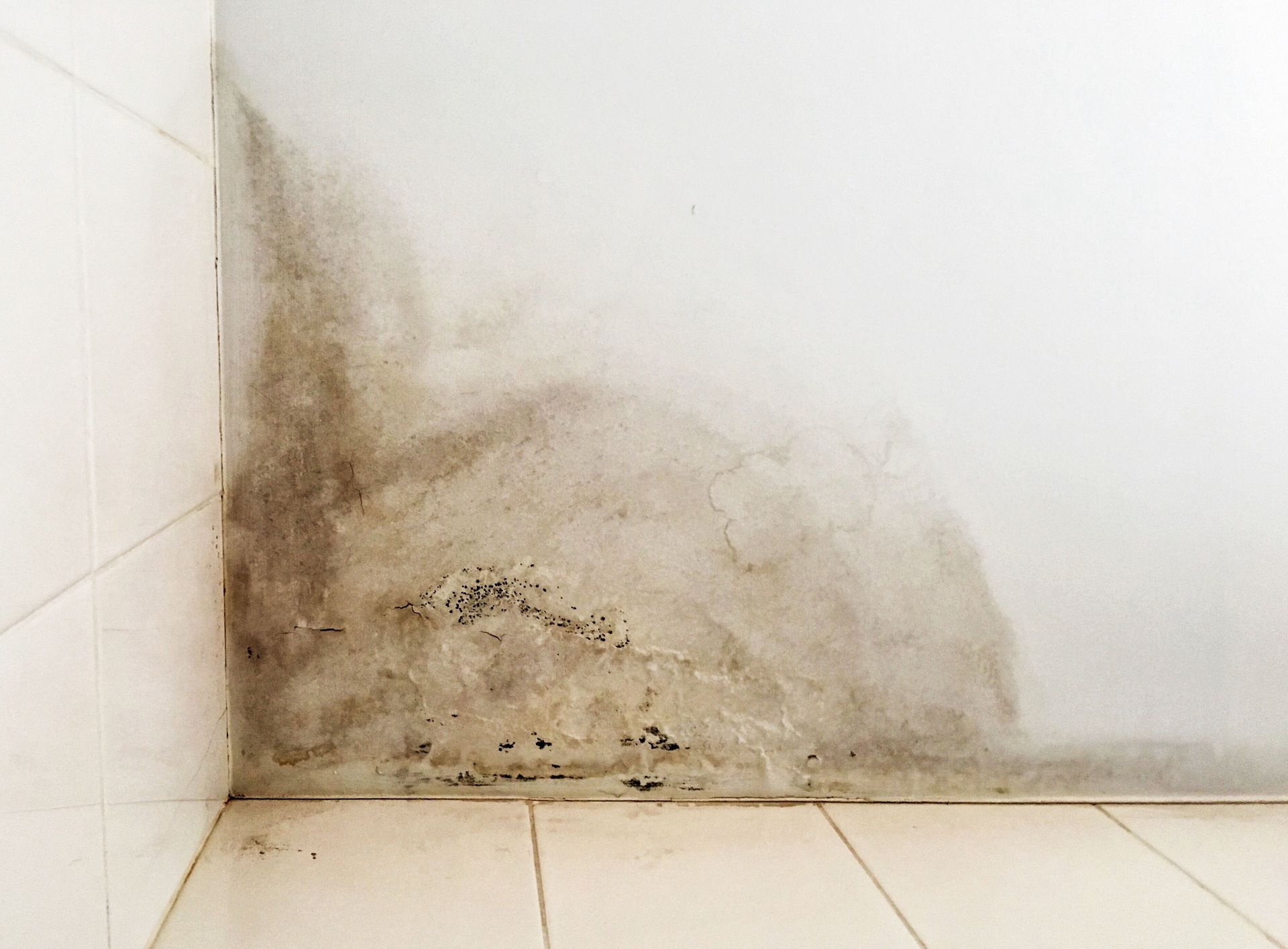
Mold prevention strategies are important in post-fire restoration. Any delay in water damage mitigation can lead to mold growth within 48 hours, complicating restoration efforts. Professionals apply anti-microbial treatments to ward off potential mold growth. Preventing mold is not only essential for structural integrity but also crucial for homeowner health. Continual inspections post-restoration ensure mold does not take hold.
4. Restoration of Contents
4.1. Inventory and Assessment of Damaged Items
Restoration professionals begin by inventorying and assessing all damaged items. This involves categorizing items based on the extent of damage, which aids in determining salvageable belongings. Detailed records are maintained, providing guidance for restoration work or insurance claims. Cataloging items systematically ensures nothing is overlooked. Homeowners can effectively grasp the full scope of damages and potential recoverable belongings.
4.2. Textile and Upholstery Restoration
Textiles often suffer significantly in fires. Restoration involves using targeted cleaning processes like washing, dry cleaning, or odorous removal through ozone treatments. Each textile or upholstery item is treated according to its material type and damage level. Treating these items effectively restores them to previous conditions. Recovering cherished textiles or furnishings can be a significant emotional comfort.
4.3. Document and Paper Recovery
Fires can ravage paper documents, making recovery efforts critical. Restoration professionals use methods like freeze-drying and digital conversions to salvage sensitive materials. Recovering essential documents can be important, easing future bureaucratic and personal processes. Salvaged paperwork is vital for reconstructing financial records, identification documents, and other critical information. Document recovery is a strategic part of comprehensive content restoration.
5. Reconstruction and Repairs
5.1. Planning the Reconstruction Process
The reconstruction process begins with thorough planning by restoration professionals. They work closely with homeowners to develop strategies that align with safety, budget, and aesthetic goals. Understanding customer priorities provides insight for effective reconstruction. Planning is meticulous to ensure compliance with updated building regulations. Thoughtful attention throughout phases ensures skillful and satisfactory completion.
5.2. Coordination with Contractors
Restoration professionals coordinate with contractors to ensure seamless reconstruction efforts. Professionals often act as intermediaries, facilitating communication between contractors and homeowners. This ensures individual reconstruction elements align with overarching restoration plans. Collaboration is key, ensuring site work progresses according to defined schedules and objectives. Effective coordination garners efficient, timely progress in rebuilding.
5.3. Restoration of Interior and Exterior Features
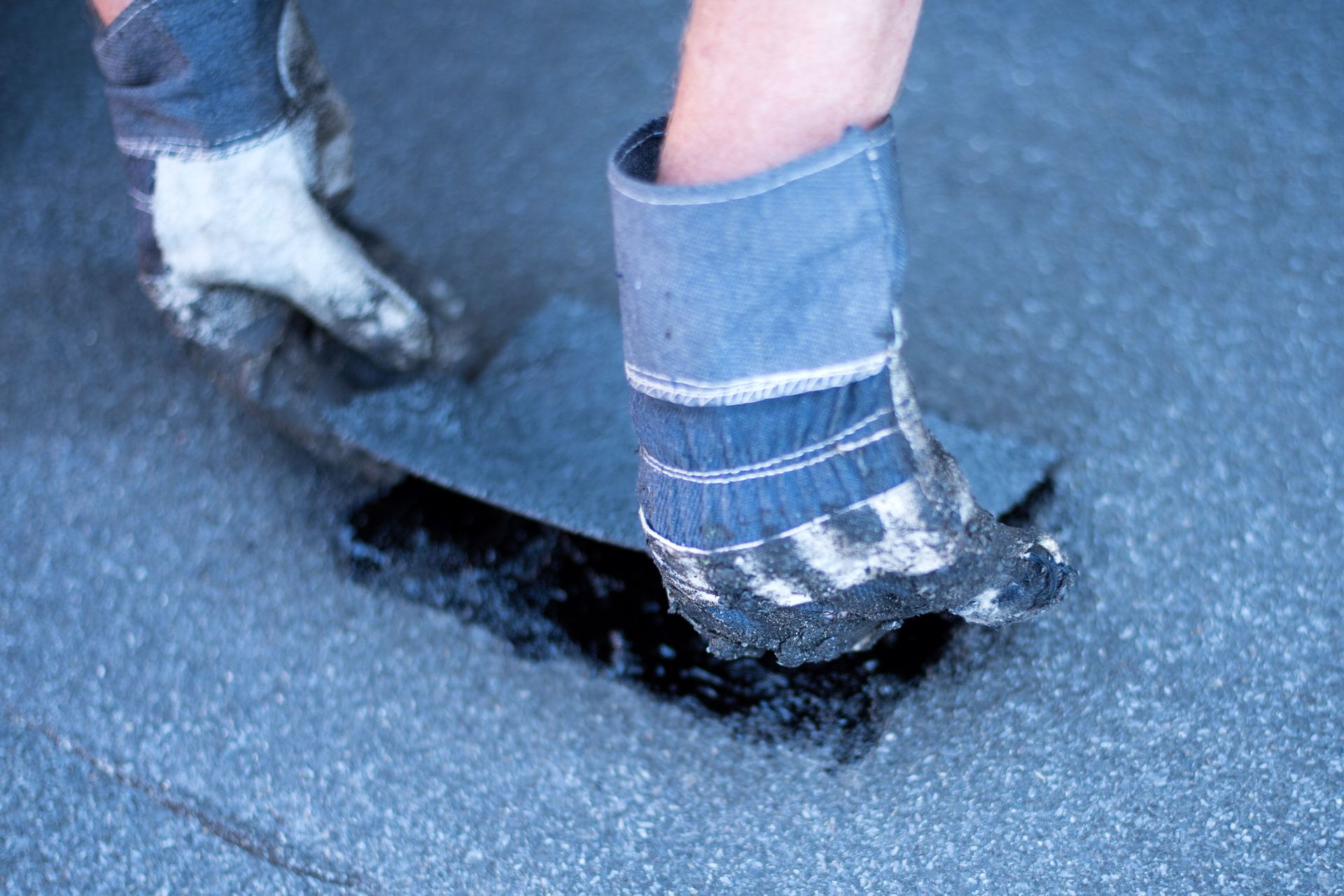
Restoration involves returning both interior and exterior features to their original conditions. Walling, flooring, roofing, and other fixtures are assessed and addressed systematically. Correct material selections and construction techniques enhance durability and aesthetics. Professionals strive to not only restore but improve past features for increased resilience against future damage. Comprehensive restoration elevates structural integrity, maximizing client satisfaction.
The recovery process following a fire necessitates comprehensive efforts across multiple domains to restore normalcy and safety.
Fire restoration services address these areas with expertise and compassion, ultimately facilitating the journey from devastation to renewal. By prioritizing structural integrity, thorough cleaning, and support, they ensure both physical and emotional recovery. The journey to full restoration not only reconstructs homes but also supports communities, enhancing resilience against future fires. If you need support after a fire, reach out to Tri Cat Restoration today!