September 22, 2026
When unwanted water penetrates a residential or commercial property, time immediately becomes the most critical variable. Whether the intrusion stems from a burst supply pipe, severe storm runoff, an overflowing appliance, or a subtle foundation leak, immediate mitigation is paramount. Many property owners make the dangerous mistake of underestimating minor spills or delaying professional intervention to evaluate options. However, standing moisture and elevated humidity begin altering building materials within minutes. Moisture quickly migrates into hidden spaces that are completely invisible from the surface.
Ignoring liquid intrusion allows water to travel along structural pathways, seeping deep into subfloors, wall cavities, and porous materials. What appears to be a small surface puddle can quickly evolve into a complex structural disaster if left untreated. Engaging professional water restoration early stabilizes the environment, halting the rapid progression of decay and preserving the integrity of the building.
Structural Framework Damage
Building materials such as wood, drywall, particleboard, and insulation act like sponges when exposed to moisture. Drywall absorbs water rapidly, causing it to swell, sag, lose structural strength, and eventually collapse. Structural timber joists and wall framing absorb moisture at a slower rate, but prolonged exposure leads to deep structural warping, splitting, and rot.
As moisture settles into load-bearing assemblies, the structural stability of the entire property becomes compromised. Floorboards begin to buckle, subfloors soften, and support beams lose their load-bearing capacity. Remediating a property that has suffered deep structural degradation requires extensive demolition, framing repairs, and reconstruction work. Calling in a certified water restoration team within the first twenty-four hours prevents water from migrating into these critical load-bearing assemblies, saving property owners from catastrophic structural repairs.
Mold and Fungal Growth
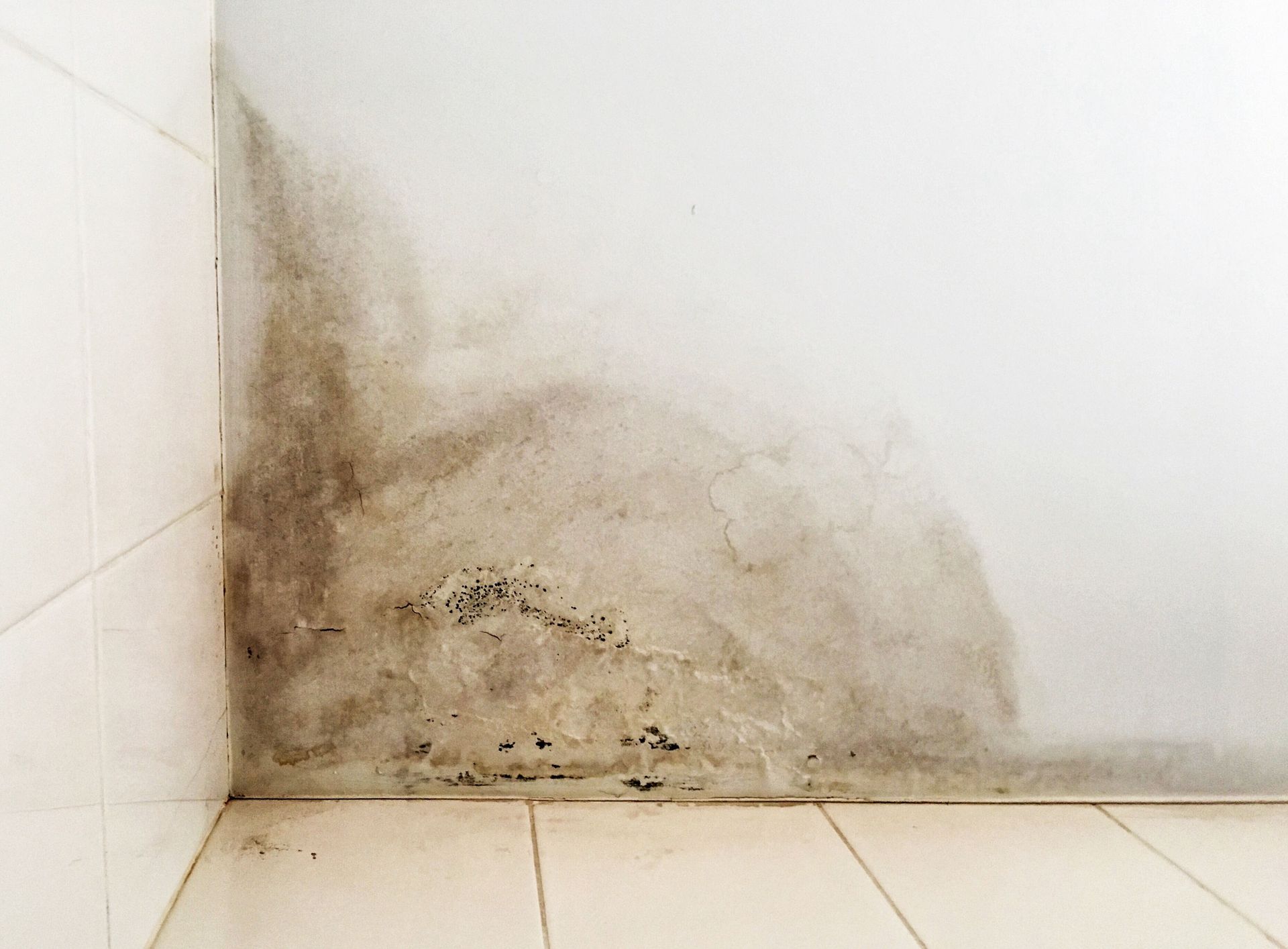
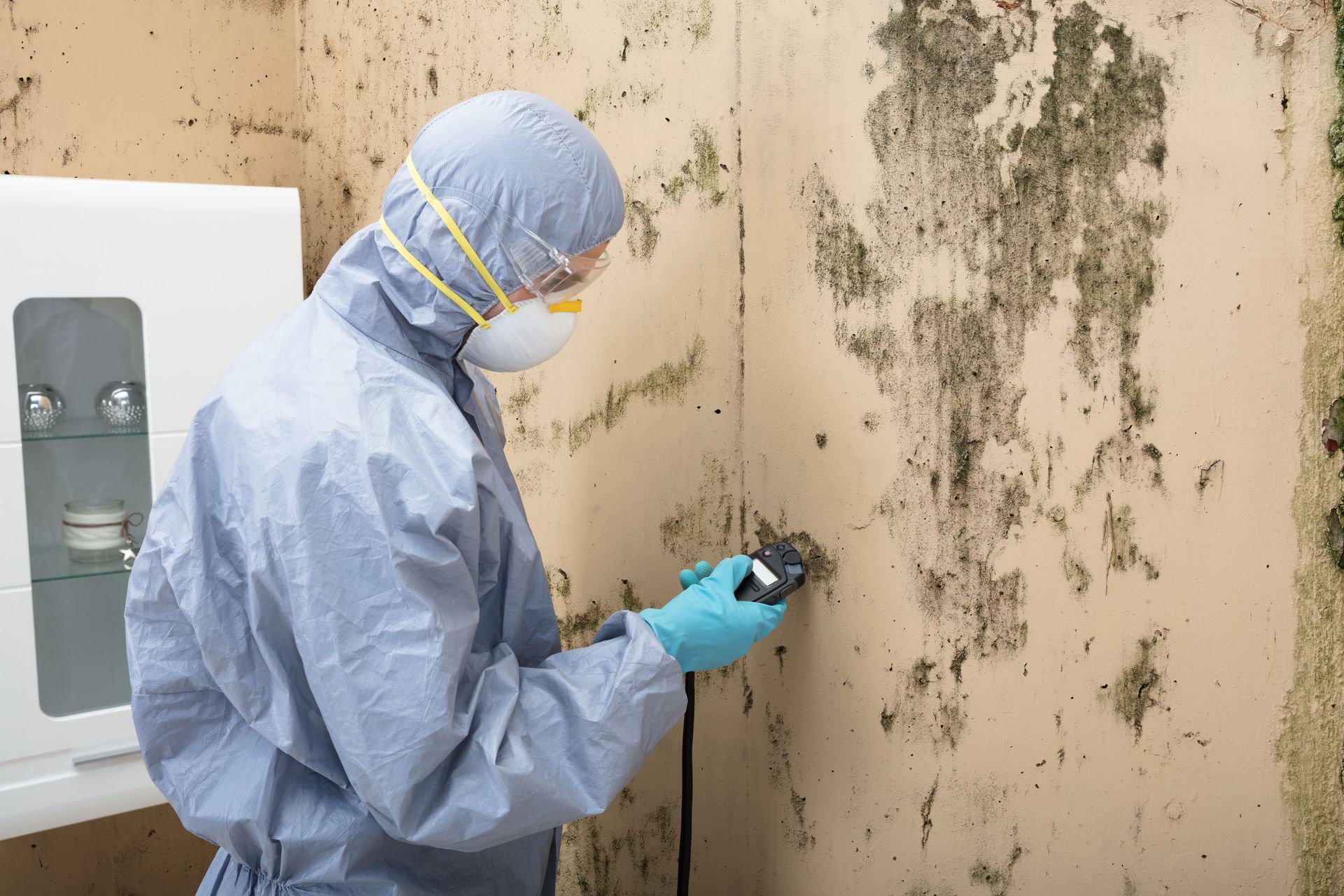
One of the most immediate consequences of delayed mitigation is the rapid proliferation of indoor mold and mildew. Mold spores exist naturally in the air, but they require a moisture source, organic food material, and stagnant air to germinate. Following an intrusion, mold colonies can establish themselves on wet drywall, carpet padding, and wooden studs in as little as twenty-four to forty-eight hours. High humidity levels inside enclosed rooms accelerate this fungal growth even further.
Once mold takes root within wall cavities and subflooring, removing it becomes significantly more difficult and expensive. Airborne mold spores spread throughout the property via the heating and cooling system, contaminating unaffected rooms and compromising indoor air quality. Exposure to toxic mold strains can trigger severe respiratory issues, allergic reactions, persistent headaches, and asthma flare-ups among occupants. Prompt professional water restoration ensures that industrial-grade air movers and dehumidifiers dry out the structure before toxic mold colonies can establish a foothold.
Rising Financial Costs
The financial cost of addressing liquid damage increases exponentially with every passing hour. During the initial phase of contamination, repairs typically focus on straightforward water extraction, structural drying, and minor surface cleaning. However, as water sits, the classification of the damage changes, driving up labor and material expenses dramatically.
Clean water from a broken supply line quickly degrades into greywater as it contacts dirt and chemical residues on building surfaces. Within forty-eight hours, stagnant greywater can transition into blackwater, which harbors dangerous pathogens, bacteria, and sewage contaminants. Restoring a property contaminated by blackwater requires specialized hazmat protocols, extensive structural tear-out, and intensive chemical sanitization. Utilizing professional water restoration during the clean water phase keeps labor costs low and prevents unnecessary material disposal.
Subterranean Water Damage
Lower levels and sub-grade foundations represent the most vulnerable areas of any structure when water events occur. Ground runoff, sump pump failures, foundation cracks, and poor exterior drainage constantly threaten lower-level living spaces and storage areas. According to RubyHome, nearly 98% of basements across the United States will encounter some form of water damage during their lifespan.
Because basements are surrounded by soil and often lack natural airflow, moisture trapped in lower levels evaporates very slowly. Water seeping behind basement wall paneling or under subfloor systems creates an invisible breeding ground for structural decay and heavy mold infestations. Without proper extraction equipment, moisture in subterranean spaces travels upward into the main living areas through convective air currents, damaging upper-floor building assemblies. Timely water restoration services utilize specialized moisture meters and infrared cameras to detect and extract hidden moisture behind basement walls before extensive damage develops.
Electrical and Mechanical Risk
Water and electricity represent a lethal combination that poses severe safety hazards to building occupants. When liquid infiltrates electrical outlets, conduit lines, circuit breaker panels, or floor-mounted appliances, the risk of electrical short circuits, electrical fires, and lethal shock increases exponentially. Modern HVAC units, water heaters, and built-in appliances suffer permanent mechanical failure when submerged or exposed to high humidity levels. Water tracking through electrical conduits can also cause hidden shorts far from the original point of intrusion.
Corrosion sets in on metal electrical components almost immediately upon exposure to moisture. Wiring harnesses, connection terminals, and circuit boards oxidize, leading to system malfunctions and expensive utility replacements. Deferring professional cleanup delays necessary power isolation and structural drying, drastically increasing the likelihood that expensive mechanical systems will need complete replacement rather than minor servicing.
Insurance Claim Problems
Property owners often rely on insurance coverage to mitigate the financial stress of emergency property repairs. However, standard insurance policies explicitly require policyholders to take reasonable steps to prevent secondary damage following a loss event. Failing to act promptly can lead to insurance claim denials or reduced payout settlements.
Insurance adjusters evaluate the timeline between the initial water event and the commencement of cleanup efforts. If an adjuster discovers that mold growth or structural decay occurred because the property owner delayed taking action, the insurance carrier may categorize the loss as preventable neglect rather than a sudden covered event. Partnering with a recognized water restoration firm ensures that the drying process is thoroughly documented with daily moisture logs, thermal images, and detailed equipment records that satisfy insurance compliance standards.
Loss of Property Value
Beyond immediate out-of-pocket repair bills, delayed mitigation negatively impacts the long-term market value of a real estate asset. Improperly dried building materials warp, buckle, and discolor, leaving behind visible evidence of neglect that turns away prospective buyers. Even if surface cosmetic repairs are made, hidden moisture trapped within walls continues to degrade the structure over time. Unresolved structural dampness significantly reduces a building's overall market appeal during resale.
Future real estate transactions require sellers to disclose past water events and known environmental hazards to potential buyers. Unaddressed moisture issues frequently surface during professional home inspections in the form of elevated moisture readings, structural sagging, or hidden mold activity. These inspection findings often force sellers to grant substantial financial concessions or perform emergency repairs to salvage a sale. Investing in comprehensive water restoration at the first sign of trouble protects the property's structural health, preserves its market value, and ensures long-term peace of mind.
Taking Action After Water Damage
Addressing water intrusion quickly is the single most effective way to prevent severe structural damage, hazardous mold growth, and escalating repair expenses. Waiting even a few extra hours allows moisture to travel deeper into building assemblies, turning a manageable drying project into an extensive restoration process. Protecting your home or commercial building requires decisive action, advanced drying technology, and documented remediation protocols. By prioritizing immediate mitigation, property owners protect their financial investment, maintain healthy indoor air quality, and ensure the long-term structural integrity of their space. If your property has suffered water damage, contact Tri Cat Restoration today for fast, expert assistance.