October 22, 2026
When water floods your basement or a pipe bursts in your kitchen, the visible mess is only the beginning. Standing water is easy to spot, but moisture travels into places you can't see, including wall cavities, subfloors, and insulation. Once the surface looks dry, many homeowners assume the worst is over. Unfortunately, the most costly issues often develop quietly in the days and weeks that follow. Understanding these hidden problems can help you act quickly and protect your property from long-term harm. Professional water restoration goes beyond removing what you can see; it addresses the moisture and damage hiding beneath the surface. Below, we'll walk through seven hidden problems that can appear after water damage and explain why a thorough response makes all the difference.
1. Hidden Mold Growth Behind Walls and Floors
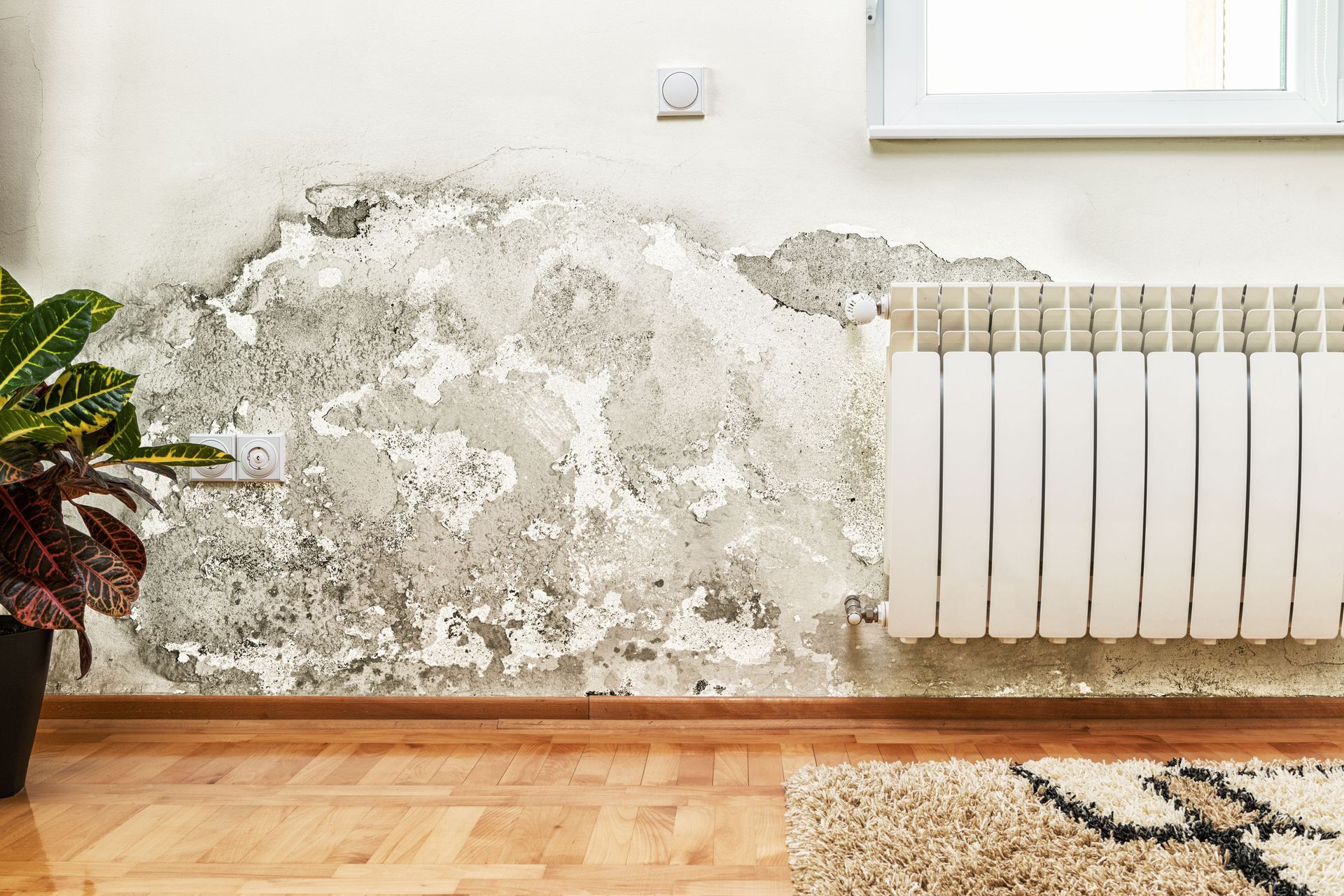
Mold is one of the most common hidden problems after a leak or flood, and it rarely announces itself right away. Mold thrives in dark, damp spaces like the back side of drywall, beneath carpet padding, and inside wall cavities. According to HomeGuide, mold spores can start growing on surfaces in as little as 24 to 48 hours after water exposure, especially when temperatures sit between 60°F and 80°F and humidity rises above 60%. Those conditions describe the inside of most homes, which means mold can take hold before you notice anything unusual.
Over time, mold can stain surfaces, weaken building materials, and produce a musty odor that spreads through your home. It can also aggravate allergies and respiratory issues for some people. Because mold often grows out of sight, a quick wipe-down won't solve the problem. Fast water restoration helps dry affected areas thoroughly, and professional mold remediation removes existing growth safely so it doesn't spread to other parts of your home.
2. Weakened Structural Framing and Supports
Wood framing, joists, and support beams absorb water quickly, and they don't dry out on their own as fast as most people expect. When moisture stays trapped inside these materials, wood can swell, soften, and eventually rot. Rotting wood loses its strength, which can compromise the stability of your floors, walls, and even your roof structure.
You may not notice structural weakening until it becomes severe. Warning signs include sagging ceilings, doors that stick or won't close properly, cracks in drywall, and floors that feel spongy underfoot. By the time these symptoms appear, repairs often require replacing large sections of framing. Professionals use moisture meters and thermal imaging to detect dampness inside structural materials, then apply commercial-grade drying equipment to pull moisture out before rot sets in. That's why thorough water restoration focuses on structural materials, not just surfaces. If the damage has already progressed, reconstruction services can restore the affected areas safely.
3. Warped Flooring and Damaged Subfloors
Flooring takes the brunt of most water damage, and the problems often extend well below what you can see. Hardwood floors can cup, crown, or buckle as boards absorb moisture and expand. Laminate may swell at the seams and separate, while tile can loosen when the adhesive beneath it breaks down. Carpet might look dry on the surface while the padding underneath stays soaked.
The subfloor beneath your finished flooring presents an even bigger concern. Plywood and oriented strand board (OSB) act like sponges, holding water for long periods and creating ideal conditions for mold and decay. A damaged subfloor can lead to uneven surfaces, squeaking, and eventually structural failure. During water restoration, technicians evaluate both the finished flooring and the subfloor to determine what they can dry in place and what needs replacement. Addressing subfloor moisture early can save you from costly flooring repairs down the road.
4. Compromised Electrical Systems and Wiring
Water and electricity make a dangerous combination, and the risks don't always disappear once the water recedes. Moisture can seep into outlets, junction boxes, and wiring inside walls, leading to corrosion over time. Corroded connections can cause flickering lights, tripped breakers, outlets that stop working, and in serious cases, electrical fires.
Appliances and HVAC systems exposed to water may also develop problems that don't show up immediately. Never assume an electrical system is safe simply because the lights still turn on. If water reached your outlets, electrical panel, or wiring, have a licensed electrician inspect the system before you resume normal use. A professional water restoration team can identify areas where water came into contact with electrical components and flag them for further inspection.
5. Lingering Odors and Contaminated Belongings
A musty smell that lingers after a leak usually signals a deeper problem. Odors often come from trapped moisture, bacterial growth, or mold developing in hidden areas. Air fresheners might mask the smell temporarily, but the source will keep producing odors until someone addresses it directly. Professional odor removal targets the source rather than covering it up.
Your belongings can also hold onto moisture and contaminants long after the event. Upholstered furniture, rugs, curtains, clothing, and important documents can absorb water and harbor bacteria. If the water came from a sewage backup or floodwater, it may carry harmful contaminants that make cleaning even more critical. Professional water restoration often includes content restoration services such as pack-outs, textile cleaning, and secure storage, which give your belongings a much better chance of recovery.
6. Saturated Insulation and Drywall
Drywall and insulation are among the most vulnerable materials in your home. Drywall wicks water upward, sometimes well above the visible waterline, which means damage can extend higher than you'd expect. Wet drywall can soften, crumble, and develop stains or bubbling paint over time.
Insulation creates an even trickier situation. Once it gets wet, insulation can compress, lose its ability to regulate temperature, and hold moisture against framing for extended periods. You might notice higher energy bills or uneven temperatures in certain rooms without realizing water damage is the cause. In many cases, saturated insulation needs to come out entirely. A complete water restoration plan includes checking behind walls for wet insulation, removing materials that can't be saved, and drying the cavity thoroughly before reconstruction begins.
7. Cracked Foundations and Basement Walls
Water that pools around or beneath your home can put serious pressure on your foundation. Concrete is porous, so it absorbs moisture and can hold it for long periods. As the soil around your foundation becomes saturated, it expands and pushes against basement walls, which can lead to cracks, bowing, and shifting over time.
These problems often start small and go unnoticed behind finished walls, stored items, or flooring. Look for hairline cracks, white chalky residue on concrete, peeling paint, or damp spots that appear after heavy rain. Left alone, foundation damage can allow even more water into your home and create a cycle of recurring moisture problems. A professional assessment after any significant water event can catch early warning signs before they turn into major structural repairs.
The key to protecting your home lies in prompt water restoration that tackles both visible and hidden damage. Working with professionals gives you access to the specialized equipment and training needed to find moisture you can't see and dry your property completely.
If you're dealing with water damage in Ozark, Springfield, or Rolla, MO, or the surrounding areas, Tri Cat Restoration is here to help. We offer 24/7 emergency water restoration with a response time within an hour, and we provide no-cost inspections and estimates within 24 hours. Contact us today to schedule your inspection and protect your property from hidden damage.