May 21, 2026
Experiencing a fire in your home or business can be a devastating event. While the flames may be extinguished, the aftermath in the form of smoke damage can linger long after, causing significant harm to your property and health. Recognizing the signs that you need professional fire restoration is crucial to alleviating the impact on your surroundings and well-being. This article will explore seven critical signs indicating the necessity for expert intervention following smoke damage. Keeping informed will allow you to secure your property and restore a sense of safety and normalcy.
1: Persistent Smoke Odors
Impact on Indoor Air Quality
Persistent smoke odors can significantly impact the indoor air quality of your home or business. Smoke particles can infiltrate the HVAC system, spreading contaminants throughout the building and affecting the air you breathe. This can lead to respiratory issues, allergies, and general discomfort for occupants. Without proper remediation, smoke odors can linger indefinitely, creating an unhealthy environment that is unpleasant to live or work in. Addressing indoor air quality is essential in ensuring the health and safety of your indoor spaces post-fire.
Health Implications of Lingering Odors
The health implications of lingering smoke odors extend beyond mere discomfort. Continued exposure to smoke particles can exacerbate pre-existing health conditions, such as asthma or allergies. Additionally, these odors can contribute to the development of new respiratory issues, particularly in children and the elderly. Long-term exposure could potentially lead to more severe health implications, requiring medical intervention. Ensuring that these odors are eliminated is critical for the health of all occupants.
Professional Odor Elimination Techniques
Professional odor elimination involves the use of specialized equipment and techniques to effectively neutralize smoke particles. Methods such as ozone treatment, thermal fogging, and air scrubbers can remove these particles from the air and surfaces. Professionals are trained to identify and target the specific areas where odors are trapped, ensuring a comprehensive cleanse. This level of expertise is crucial for completely eradicating odors and restoring indoor air quality. By employing professionals, homeowners can be assured of a safe and odor-free environment.
2: Discoloration and Staining on Surfaces
Types of Surfaces Affected
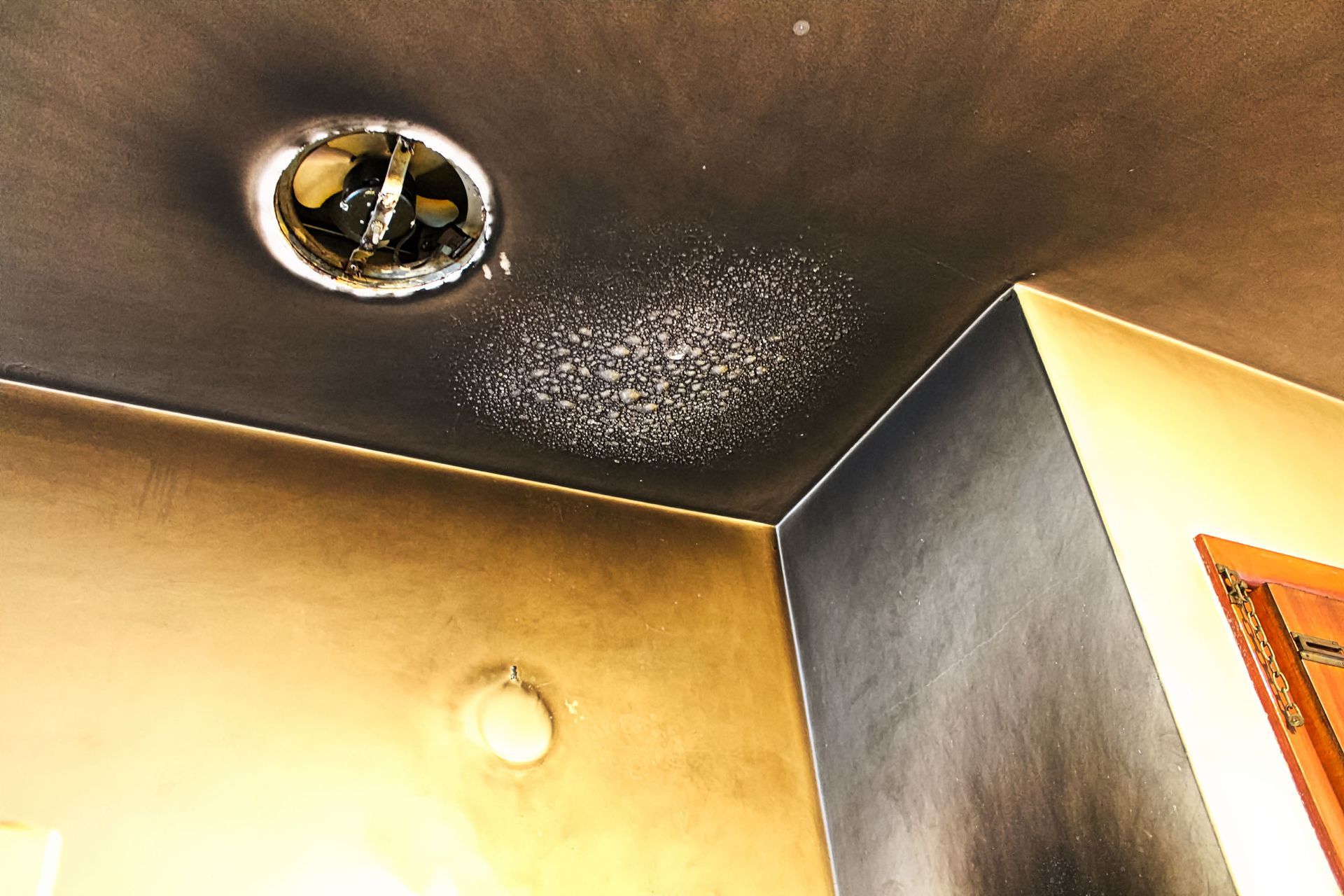
Smoke damage often results in the discoloration and staining of various surfaces within a structure. Walls, ceilings, and floors are commonly affected, along with furniture and personal belongings. The type of smoke and material burned can dictate the extent and type of staining encountered. Tars and oils present in smoke particles can create sticky residues, adhering to surfaces and leading to visible disfigurement. Acknowledging the types of affected surfaces is the first step in planning for their fire restoration.
Common Smoke Deposits and Their Effects
Common smoke deposits include soot, ash, and oily residues, each having distinct characteristics and impacts on surfaces. These deposits can embed themselves into porous materials, causing discoloration that is difficult to remove. Smoke residues can also contribute to the deterioration of surfaces over time, as chemical reactions from these deposits continue to occur. Unaddressed, these effects may lead to permanent damage requiring extensive repair or replacement. Prompt attention is necessary to prevent significant, lasting harm to your property.
Long-Term Impact of Unaddressed Stains
Unaddressed smoke stains can severely impact the long-term value and integrity of your property. Deterioration of materials may lead to structural weaknesses as well as aesthetic decline. Discoloration can also affect resale value and detract from the overall appeal of your home or business. Furthermore, the presence of smoke residues can contribute to ongoing air quality issues and health risks. Prioritizing fire restoration is crucial in maintaining the integrity and safety of your property over time.
3: Visible Soot Buildup
How Soot is Formed During Fire
Soot is a byproduct of the incomplete combustion of materials during a fire. It consists of fine particles, including carbon, ash, and various chemicals, which are released into the air. The type of material burned and the conditions of the fire can influence the composition and quantity of soot produced. As soot settles, it can adhere to surfaces, creating the telltale dark stains indicative of fire damage. Understanding soot formation is critical to its effective removal and the preventative measures that can follow.
Risks Posed by Soot Inhalation
The inhalation of soot particles poses significant health risks, particularly to the respiratory system. Fine particulate matter can penetrate deep into lung tissue, leading to inflammation and respiratory distress. Prolonged exposure to soot may exacerbate pre-existing conditions, such as asthma and bronchitis, and increase the risk of respiratory illnesses. It can also have adverse effects on cardiovascular health, causing additional complications. Addressing soot buildup promptly safeguards both property and occupant well-being.
Cleaning and Removal Challenges
Removing soot presents a number of challenges due to its adhesive nature and fine particulate size. Basic cleaning methods often fall short, as they may spread the particles or cause them to embed deeper into surfaces. Homeowners need to exercise caution, as certain cleaning products and techniques can exacerbate problems or cause damage to materials. Professional fire restoration services employ specialized equipment and techniques designed to effectively and safely remove soot. Addressing these challenges effectively requires expertise and experience in smoke restoration.
4: Water Damage from Firefighting Efforts
Correlation Between Fire Damage and Water Damage
When extinguishing a fire, water is often the primary agent used, inevitably resulting in secondary water damage. The massive volume of water required to quell flames infiltrates walls, ceilings, and floors, causing additional challenges. Surfaces may swell or warp, and in severe cases, water can compromise structural integrity. Recognizing the intersection of fire and water damage is essential for a comprehensive restoration strategy. Successful fire restoration requires addressing both issues concurrently to prevent extended damage and costs.
Typical Water Damage Scenarios Post-Fire
Post-fire scenarios often reveal the impact of firefighting water on a property. Carpeting, wood flooring, and drywall are particularly susceptible to water saturation and subsequent deterioration. In addition to visible signs like stains and warping, hidden water intrusion can foster microbial growth and lead to other health hazards. The warmth and humidity that follow extinguishing efforts also increase the possibility of mold development. Addressing water damage in the aftermath of a fire is crucial to restoring property safety and usability.
Potential Mold Growth Due to Water Damage
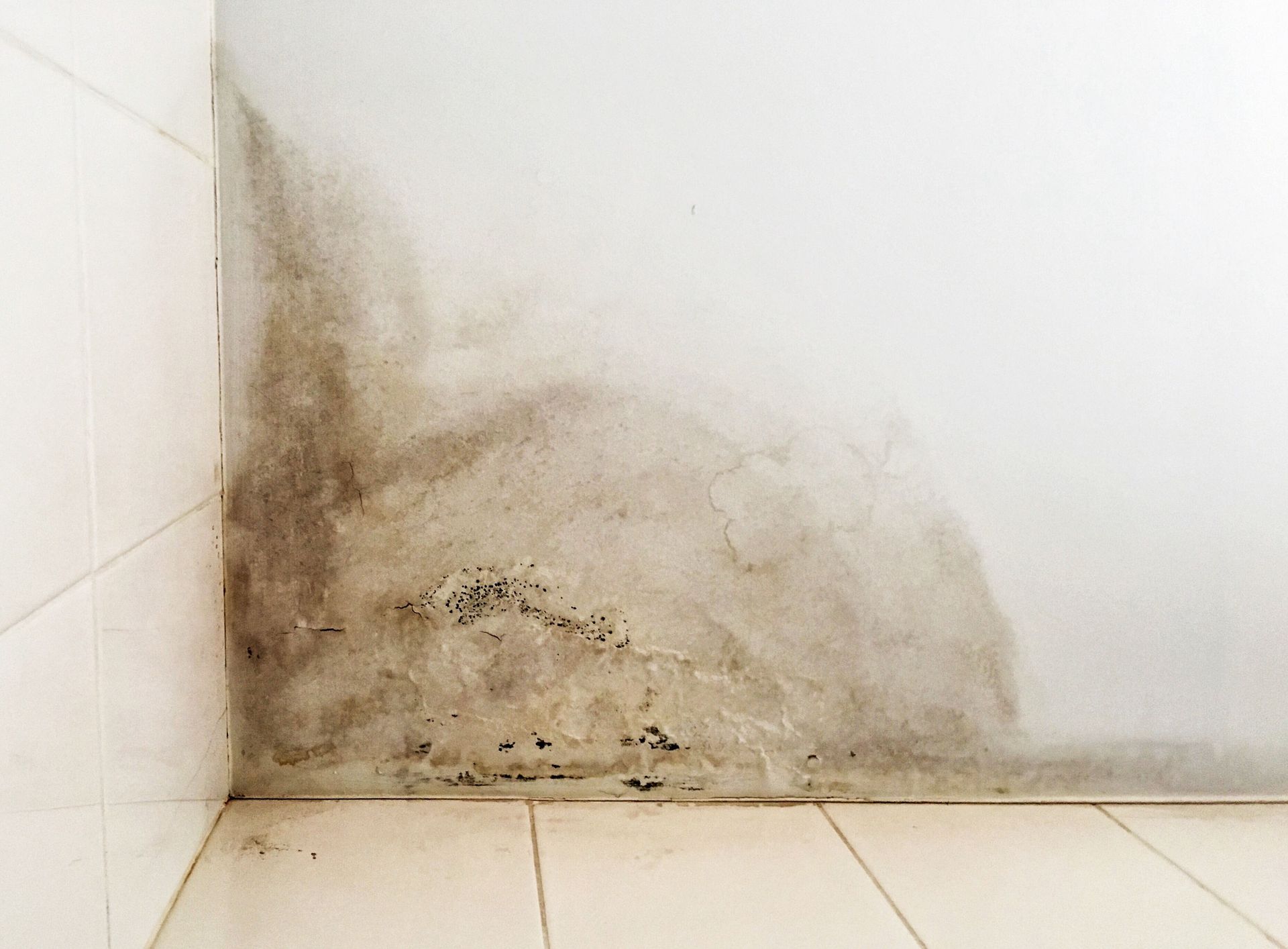
One of the most concerning consequences of water damage is the potential for mold growth. Warm and damp conditions, common immediately after a fire, create a perfect environment for mold proliferation. Often unnoticed until it is widespread, mold can pose serious health risks, including allergic reactions and respiratory problems. Mold remediation requires detailed inspection and treatment to prevent recurrence. By addressing water intrusion promptly, the risk of mold can be significantly reduced, promoting a healthier living environment.
In the event of a fire, determining the extent of smoke damage and initiating a prompt restoration process are critical steps in safeguarding your property and health. By recognizing these urgent signs and seeking professional fire restoration services, you can mitigate long-term damage and restore a safe living or working environment. Professional intervention not only addresses immediate concerns but also provides lasting solutions that prevent future incidents, ensuring peace of mind for homeowners and business owners alike. According to Business Research Insights, fire/smoke restoration comprises 35% of disaster services revenue, with residential claims driving 40% demand, highlighting the significant role and need for these services. Being proactive and informed ensures not only the safety but also the longevity and resilience of your surroundings.
Contact Tri Cat Restoration today to secure the expert fire restoration and precision required to fully restore your property's safety and comfort.