May 20, 2026
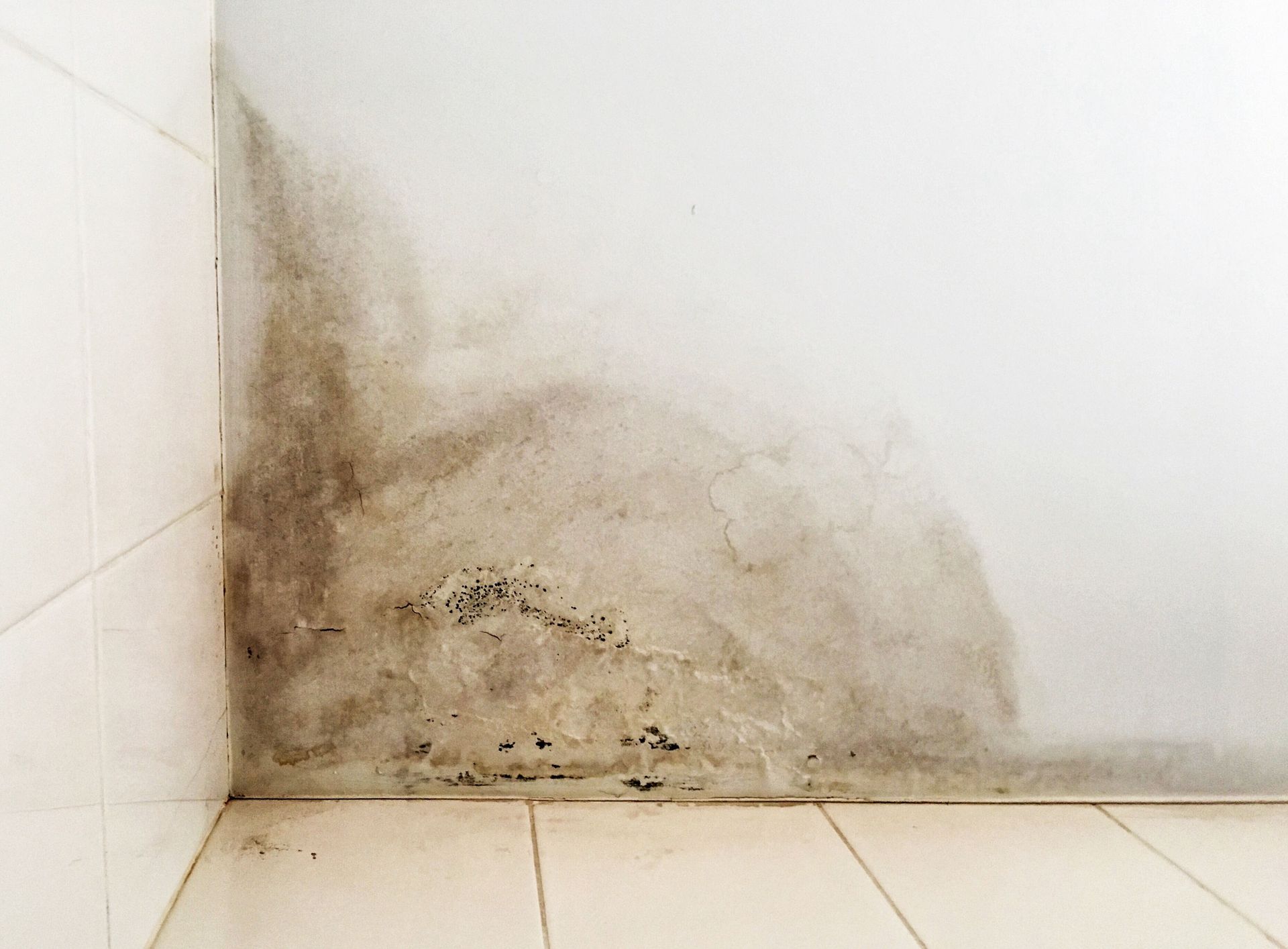
Water damage is an urgent problem that demands immediate attention to prevent further complications. When water infiltrates the structural components of a building, it sets the stage for mold growth, a hazard both to health and home integrity. Expert tips and strategies are crucial in preemptively tackling mold, guiding water restoration processes, and ensuring the safety and longevity of buildings.
Understanding Water Damage and Its Impacts
Types of Water Damage
Water damage is categorized into three main types: clean water, gray water, and black water. Clean water damage originates from sources like broken water lines or overflowing sinks. Gray water damage includes water from appliances like washing machines and dishwashers, containing minor contamination. Black water damage is the most serious, involving wastewater from toilets or natural disasters that contains disease-causing pathogens. Recognizing the type of water damage is crucial for applying the appropriate remediation strategies.
Each type of water damage brings varying degrees of risk and requires specific intervention techniques. Clean water damage, though less harmful, requires swift action to prevent escalation into mold growth. Gray water introduces contaminants that pose greater health dangers, necessitating immediate cleanup and sanitation. Black water, laden with harmful bacteria and chemicals, demands comprehensive and professional attention due to its significant health hazards and environmental impact. Understanding these distinctions is key to effective and safe water restoration.
Common Causes of Water Damage
The origins of water damage are manifold, with natural disasters like floods and hurricanes being a primary cause. Beyond natural events, plumbing failures such as burst pipes or aging infrastructure are frequent culprits, leaving significant damage in their wake. Appliance malfunctions like leaks from washing machines or dishwashers can also lead to water damage, often unnoticed until substantial harm occurs.
Proactive maintenance and awareness are critical defenses against common causes of water damage. Regular inspections of plumbing systems and prompt repair of identified issues are effective in preventing leaks and subsequent damage. Similar attention should be given to appliances, ensuring they are functioning correctly and without fault. Maintaining awareness of weather patterns and fortifying homes against potential natural disaster impacts also significantly reduce the likelihood and extent of water damage.
Importance of Quick Response
Swift response to water damage must be methodical, starting with the identification of the source and type of water involved. Quick action in shutting off water supply, electricity, and ensuring safe access to affected areas paves the way for effective intervention. Following initial safety measures, immediate water removal and drying begin the mitigation process, forming the first line of defense against further damage and mold growth.
The importance of rapid response extends beyond immediate remediation to incorporate long-term prevention strategies. It helps curb potential health hazards and maintains property value while ensuring occupant safety. A plan for managing unexpected water events and regular training on response protocols enhances readiness, minimizes delays, and ensures a comprehensive approach to water damage management. By understanding the significance of timing, property owners can better prepare and protect their investments.
Taking Steps When Water Damage Occurs
Safety First: Ensuring a Secure Environment
When water damage occurs, the foremost priority should be ensuring the safety of all occupants. Begin by turning off the electricity and gas supply to prevent any risk of electric shock or gas leaks. Assess the structural integrity of the building, avoiding any areas that appear weakened or are at risk of collapse. Safety extends to wearing protective gear, such as gloves and masks, when inspecting damaged areas to avoid exposure to potential toxins. Following these protocols is vital for securing the environment and preparing for the next stages of damage control.
Ensuring structural integrity is crucial, as water can quickly compromise the strength of a building. Key areas like support beams, walls, and flooring should be inspected for signs of weakening or instability. Prioritizing these checks helps avoid potential incidents and further damage during water restoration efforts. Identifying and addressing any immediate hazards allows for a secure foundation on which to begin the water restoration efforts, ensuring that both the safety of individuals and the security of the property are maintained.
Documentation of Damage
Effective documentation of water damage is a critical step for successful water restoration and insurance claims. Begin by taking comprehensive photographs and video recordings of all affected areas, paying special attention to structural elements, furnishings, and belongings. Clear and detailed records help build a strong case for insurance claims, ensuring that all damages are accounted for and reimbursed. Include descriptions of the extent of the damage, estimated dates, and any related receipts or assessments from professionals. Thorough documentation not only facilitates water restoration processes but also aids in future planning and prevention efforts.
Proper documentation acts as a safeguard against any potential disputes or discrepancies during insurance evaluations. Having clear evidence of the damage prior to cleanup helps when negotiating with insurance adjusters and speeds up claim processing. It also provides essential information for water restoration professionals, guiding them in crafting a tailored plan for cleanup and repairs based on the specifics of the situation. The documentation serves as both an immediate tool for restoration and a lasting record for property management purposes.
Contacting Professionals for Assessment
Consulting with water restoration professionals offers a comprehensive evaluation of the damage scope and remediation strategy. Experts bring specialized knowledge and tools to assess hidden damage, which may otherwise go unseen by untrained eyes. Professional assessments provide clarity on the extent of water impact, guiding precise and effective intervention methods tailored to the situation. Involving experts ensures a holistic approach to water restoration, from water extraction to mold prevention measures. It establishes the groundwork for a strategic and informed response, minimizing the risk of future complications.
Professional assessments contribute not only to accurate repair strategies but also to a safer water restoration process. Understanding the specific risks associated with each type of water damage helps experts prioritize interventions and align solutions with industry standards. These evaluations incorporate both immediate repair actions and preventive recommendations, reinforcing a property's overall resilience. This approach maximizes water restoration efficacy while reducing time and resources spent on broader, less targeted measures.
Assessing and Repairing the Damaged Area
Conducting a Thorough Inspection
Once safety and basic drying measures are established, conducting a detailed inspection is pivotal to identify moisture levels and hidden damage. Begin by evaluating all visible signs of damage, paying particular attention to water-logged ceilings, floors, and walls. Utilize moisture meters to assess areas prone to hidden moisture accumulation, aiding in a complete analysis. Inspect insulation, carpeting, and furnishings for water penetration signs to provide a foundation for targeted remediation efforts. This detailed inspection supports the development of a comprehensive water restoration plan tailored to address each damage aspect effectively.
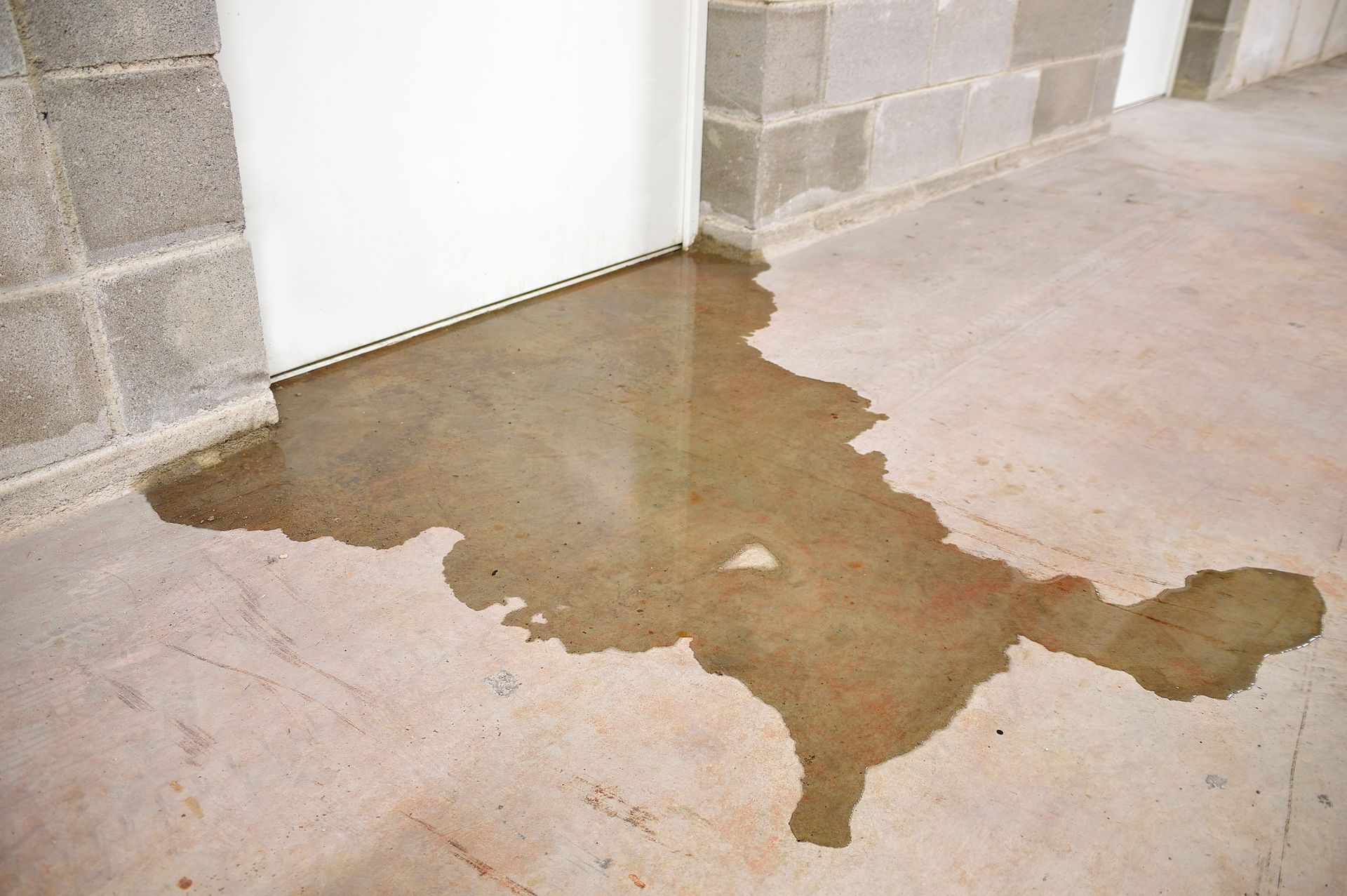
Inspecting confined and less accessible areas is crucial in uncovering concealed water damage. Basements, attics, and crawl spaces are frequent sites of unnoticed moisture seepage, risking underlying structural components. Given that 98% of basements in the United States experience some form of water damage during their lifespan, according to iPropertyManagement, regular and thorough inspections are essential. Understanding these high-risk areas allows for focused and informed decisions about necessary repair interventions. In-depth inspection efforts facilitate the identification of water ingress points and potential mold risks, influencing strategic water restoration planning.
Addressing Structural Repairs
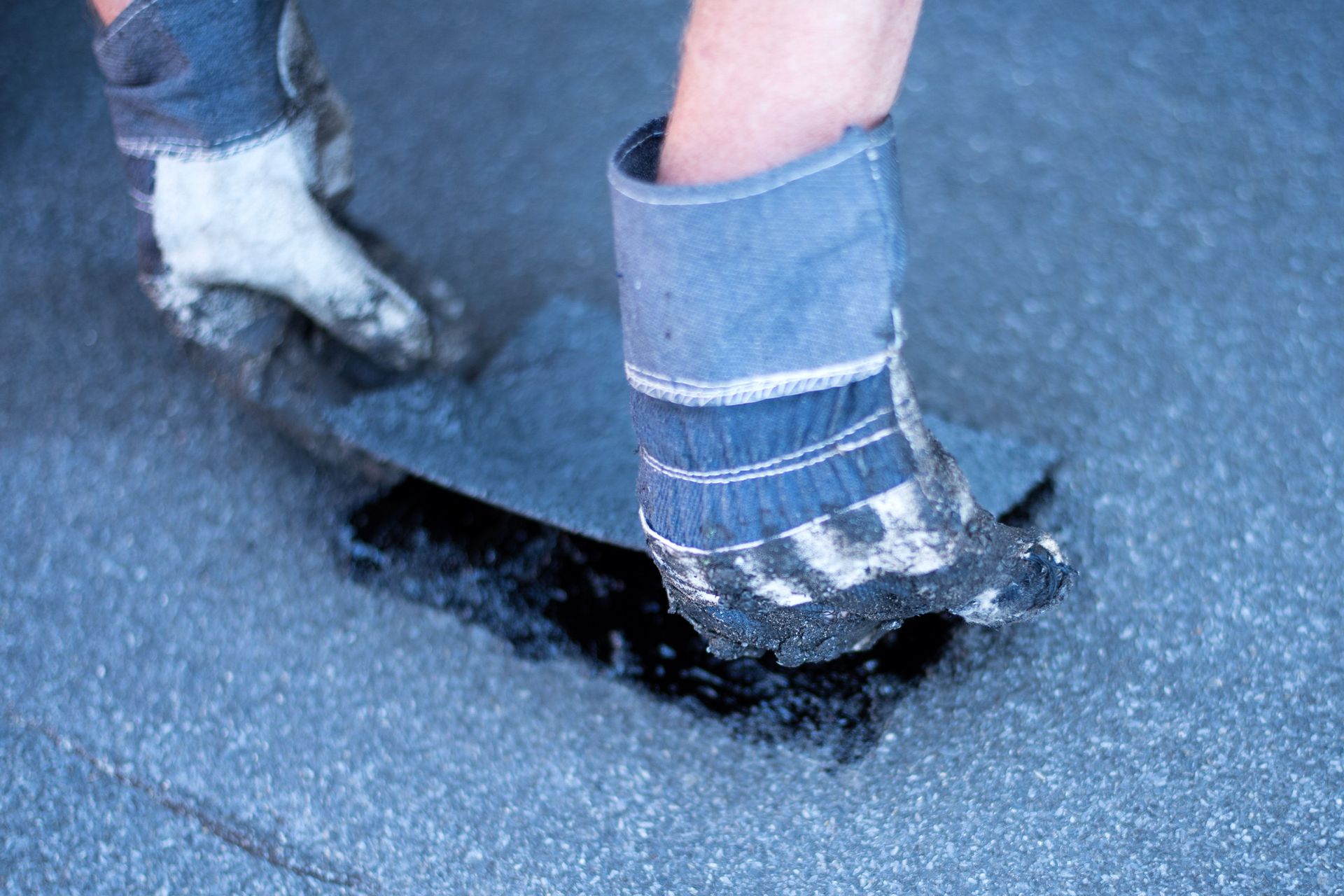
Addressing structural repairs is a cornerstone of water damage recovery, focusing on restoring the integrity and safety of compromised areas. Begin by reconstructing weakened supports, paying particular attention to wood beams, drywall, and load-bearing walls. Replacement or reinforcement efforts should be guided by detailed inspections and expert consultations, ensuring proper materials and methods are used.
Structural repairs extend beyond visible deterioration to encompass underlying elements that may have been compromised by water. Moisture, even transiently present, can weaken and warp materials, necessitating replacement for long-term safety. Timeliness in structural assessment and repair aids in preserving property value and occupant safety. If your home needs water restoration services, reach out to Tri Cat Restoration today!