August 18, 2026
Water damage can have devastating effects on property, leading to substantial structural and financial repercussions. In an attempt to save money, many individuals opt for a DIY approach to water cleanup. Unfortunately, these self-guided efforts often lead to ineffective results, exacerbating the damage rather than remedying it. According to Gitnux, water damage is the most common type of homeowners insurance claim, accounting for 18.2% of all claims. The intricate processes involved in water damage restoration require specific knowledge and tools that are generally beyond the reach of an average homeowner. Hiring a professional water restoration company is invaluable for combating the challenges associated with water damage.
1. Lacking Professional Equipment
Household tools are typically insufficient for handling extensive water damage due to their limited capacity and functionality. Basic equipment such as standard vacuum cleaners or household fans cannot match the power and efficiency of industrial-grade versions. These tools lack the suction power needed to remove substantial amounts of water efficiently, potentially leaving behind residual moisture. Without sufficient extraction capabilities, water can seep into the flooring and walls, leading to further damage and potential mold growth. The inadequacy of household tools underscores the need for professional intervention equipped with the right machinery.
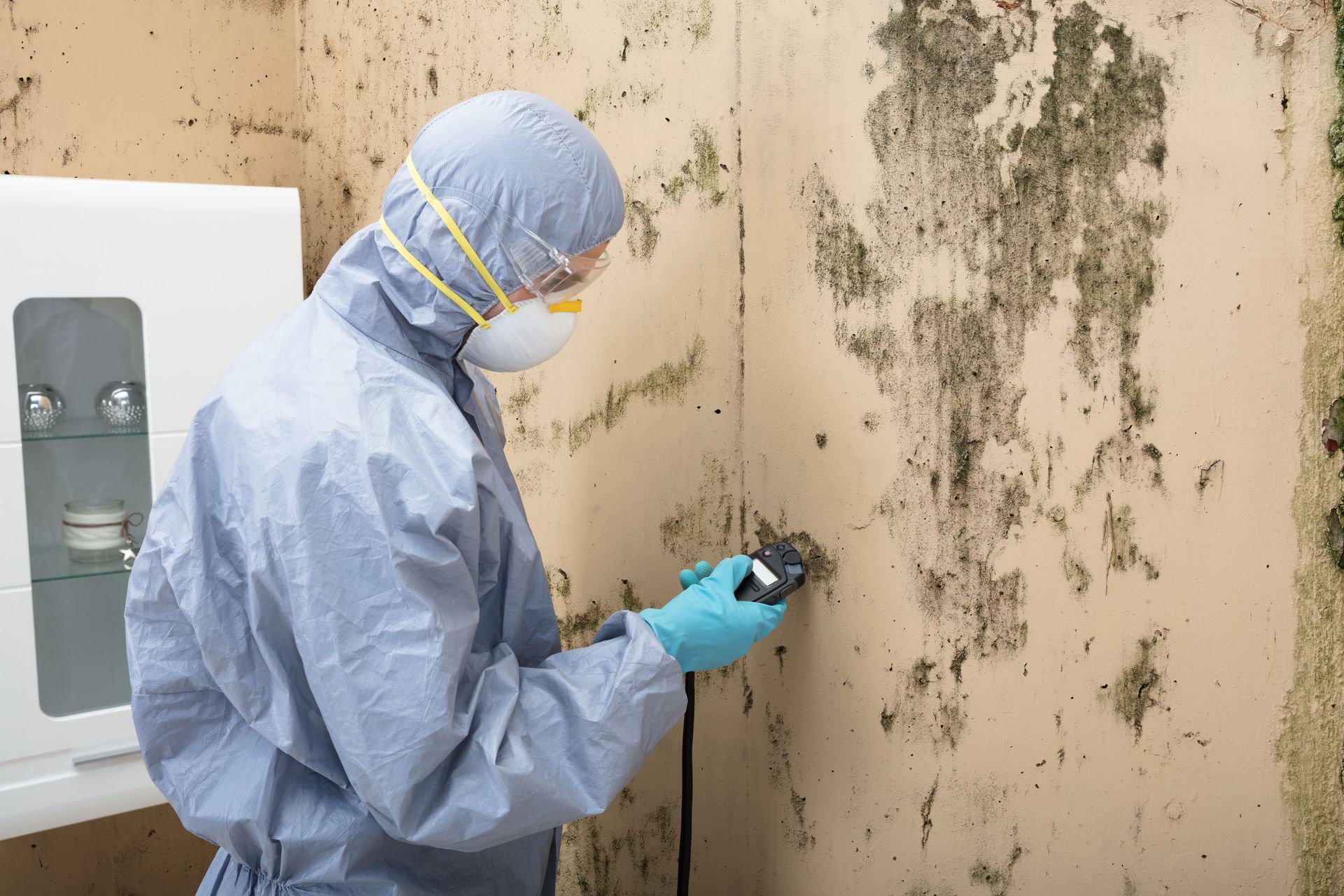
Professional-grade equipment plays a pivotal role in effective water cleanup, offering power and precision that household tools cannot. Machines like commercial-grade dehumidifiers and high-capacity water extractors are specifically designed to handle severe levels of water saturation. They can effectively remove moisture from deep within structural materials, ensuring that hidden dampness does not lead to future complications. Infrared cameras and moisture meters allow professionals to detect moisture levels in hard-to-reach places, such as behind walls and under floors. Investing in a professional water restoration company ensures that cleanup efforts are guided by precise diagnostics and effective technologies.
2. Missing Specialized Knowledge
One of the primary challenges in DIY water cleanup is assessing and addressing different levels of water contamination. Water damage can be categorized into clean, gray, or black water, each with distinct risks and remediation requirements. Understanding these categories requires expertise to ensure the correct handling and treatment of the affected area. Many homeowners may not recognize the severity and type of contamination, leading to improper cleaning techniques that can exacerbate health risks. Professionals, however, are trained to assess contamination appropriately and employ suitable methods for safe and effective cleanup.
Secondary damage, such as warped flooring or compromised structural integrity, is often overlooked in DIY water cleanup attempts. This oversight is largely due to a lack of expertise in recognizing the signs and implications of deep-seated moisture. Effective water cleanup is rooted in an understanding of the science behind moisture dynamics, material permeability, and psychrometrics. Many DIY approaches ignore these technical nuances, leading to incomplete or ineffective mitigation. Engaging a certified water restoration company leverages this scientific understanding to ensure all aspects of the damage are addressed accurately.
3. Overlooking Hidden Damages
Structural weaknesses are a significant concern when addressing water damage, yet they often remain hidden from those without professional expertise. Water can compromise the integrity of structural elements like wooden beams, structural subflooring, or metal supports, leading to potential hazards over time. DIY cleanup efforts typically lack the detailed inspections required to detect these vulnerabilities, risking further structural decay and catastrophic failures. Professionals have the specialized tools and training to thoroughly evaluate structural stability, ensuring safety is prioritized throughout the restoration process.
Leaving residual moisture in a home can have serious repercussions, yet it is a common issue in DIY water cleanup efforts. Moisture trapped in unseen places, such as insulation, subflooring, or drywall, causes ongoing deterioration that compromises the property's condition over weeks and months. Additionally, water exposure presents serious safety hazards regarding electrical systems, which can lead to short circuits or fire hazards if left unmanaged. A qualified water restoration company uses advanced drying techniques to locate hidden dampness, safeguard electrical components, and eliminate long-term risks.
Beyond visible structural components, building materials like insulation and drywall act like sponges when exposed to standing water. Absorbent insulation rapidly loses its thermal resistance while harboring trapped moisture that damages surrounding timber framing and foundational joists. Drywall quickly loses its structural rigidity, swelling, buckling, and sagging until complete physical failure occurs. Homeowners attempting self-remediation rarely possess the diagnostic tools needed to evaluate material saturation levels accurately. Professional teams conduct thorough structural assessments to determine whether materials can be effectively restored or must be removed to preserve long-term property integrity.
4. Endangering Health and Safety
Exposure to contaminated water poses a significant health risk often underestimated during DIY water cleanup. Water damage can introduce harmful bacteria, viruses, and environmental pollutants into a home environment, requiring careful handling and containment. Many DIY efforts do not adequately account for the levels of contamination present, risking exposure to hazardous pathogens. Professional services are trained to handle contaminated water safely, utilizing protective gear and controlled procedures to maintain home hygiene.
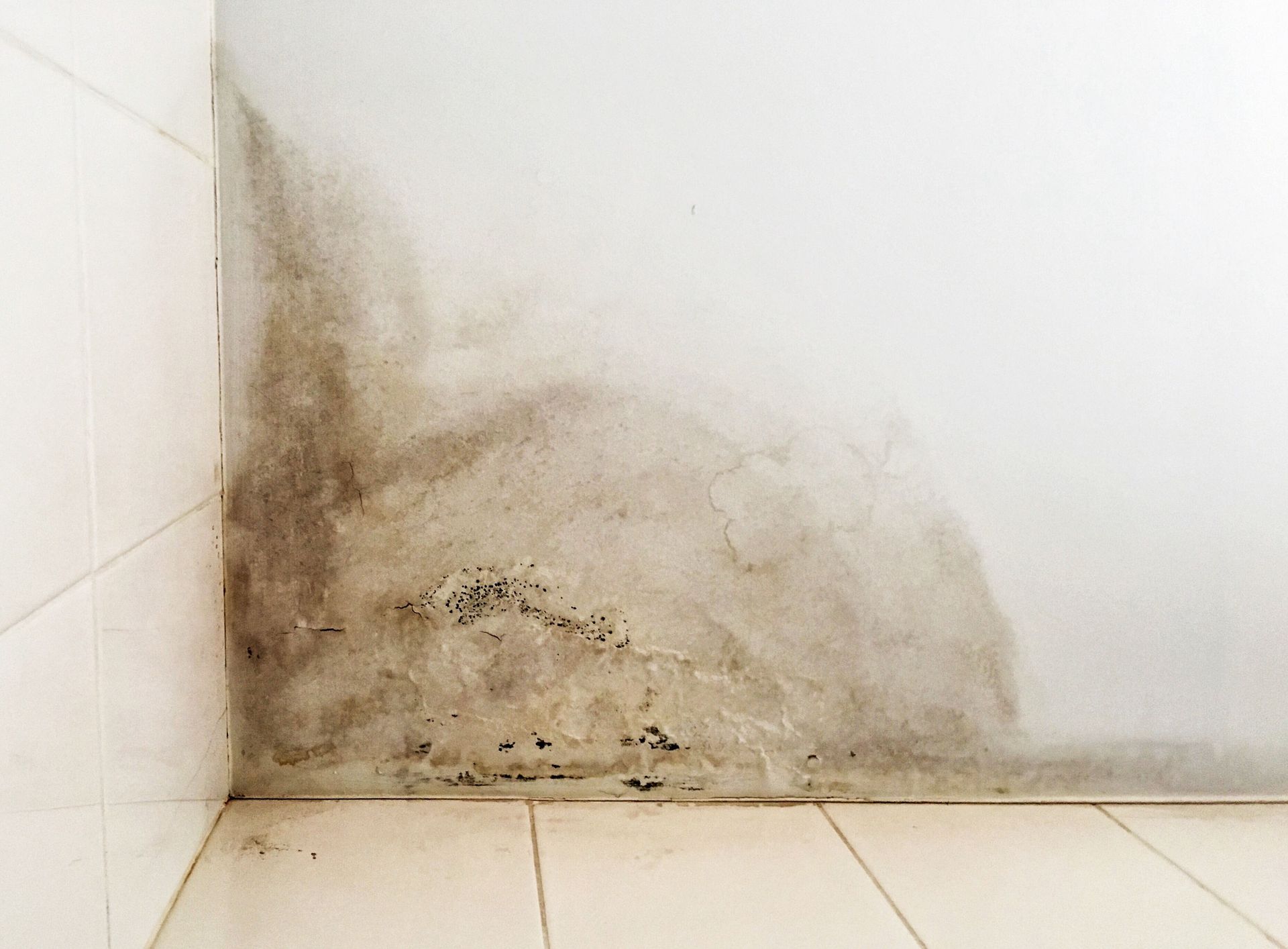
The presence of mold and mildew following water damage presents ongoing health risks that many DIY efforts fail to address with sufficient rigor. Damp environments promote the growth of allergens such as mold spores, dust mites, and bacteria, triggering severe asthma and respiratory responses. A certified water restoration company utilizes industrial Personal Protective Equipment (PPE), including respirators, gloves, and suit protection, to safely eradicate toxic growth and restore clean indoor air quality.
Biological contaminants in trapped moisture multiply rapidly within 24 to 48 hours of initial exposure, turning minor water intrusions into major biohazards. Household cleaning agents lack the strength to neutralize deep microbial growth, often leaving active spores behind beneath surface finishes. Airborne fungal spores distribute through HVAC systems, spreading health hazards throughout unaffected living areas. Trained technicians use EPA-registered antimicrobials, advanced air scrubbers, HEPA filtration units, and specialized containment protocols to stop airborne contamination before it permanently degrades indoor air quality, compromises structural integrity, and endangers long-term resident safety.
5. Underestimating Financial and Time Costs
One of the key issues with DIY water cleanup is the significant time investment required compared to the quality of results achieved. Homeowners require considerable time to research methods, source rental equipment, and execute the cleanup process. Time-sensitive factors, such as mold growth and structural drying, require immediate action to prevent compounding issues. Delays inherent to DIY solutions often exacerbate problems, making repairs significantly more complicated and drawn out than initially anticipated.
Initial assumptions about DIY cost savings frequently overlook hidden expenses, such as specialized equipment rentals, disposable safety gear, and replacement materials. Moreover, improper cleanup leads to secondary damage and unaddressed mold, which dramatically increases long-term repair costs. While hiring a professional water restoration company incurs upfront costs, it delivers comprehensive solutions that prevent recurring expenses and protect the structural value of the home.
Navigating insurance coverage presents another complex challenge where DIY attempts frequently fall short. Property insurance claims require detailed documentation, moisture readings, and itemized proof of loss to ensure fair reimbursement. Amateur cleanup efforts often lack the formal paper trails required by adjusters, resulting in denied claims or inadequate payouts. Professional restoration teams streamline this process by providing comprehensive structural drying logs and working directly with insurance carriers to secure coverage. For more information about the services that we offer, reach out to our incredible team at Tri Cat Restoration today!