July 20, 2026
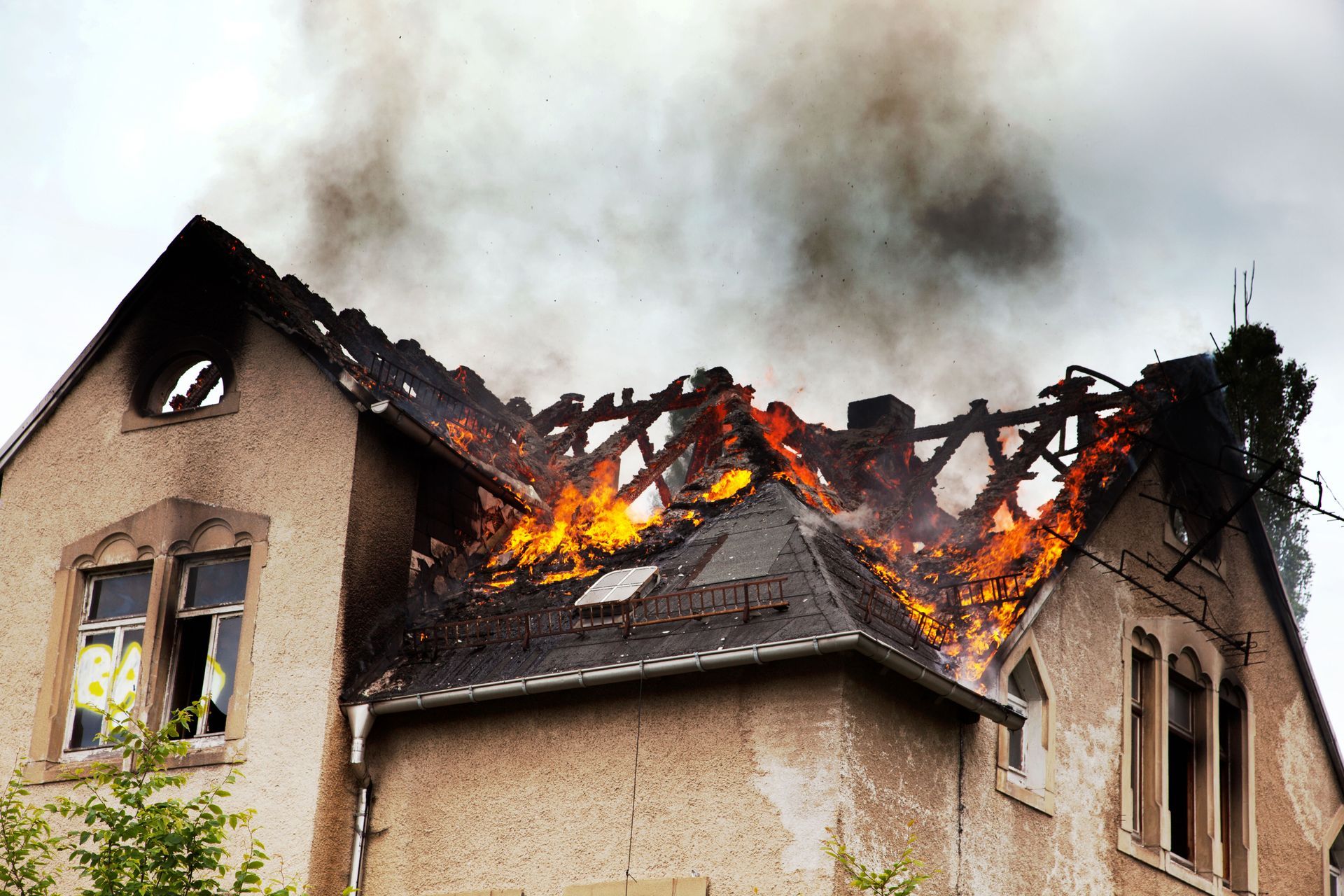
Experiencing a house fire is one of the most devastating events a homeowner can endure, leaving you in a state of shock and uncertainty. In the immediate aftermath, knowing the exact steps to take can protect your safety, secure your finances, and kick-start the recovery journey. This comprehensive guide outlines the critical actions required during the first forty-eight hours to ensure your family and property are protected. According to the National Fire Protection Association, a house structure fire is reported every 96 seconds in the United States, illustrating how common these disasters truly are. Initiating the fire restoration process as quickly as possible is essential to minimizing long-term structural and smoke damage.
The hours directly following a residential blaze are often chaotic and emotionally overwhelming for everyone involved. Property owners must balance personal well-being with immediate logistical requirements, making a clear plan absolutely vital. By breaking down the necessary tasks into manageable steps, you can regain a sense of control over an otherwise chaotic situation. Understanding what to prioritize helps prevent costly mistakes that could negatively impact your insurance claims or future repairs. Taking structured, deliberate actions during this brief window sets the foundation for a successful rebuild and full recovery.
Contact Your Insurance Provider Immediately
The very first phone call you should make after emergency services clear the scene is to your insurance agent. Informing your provider right away ensures that your claim is opened promptly and that you receive immediate guidance on temporary living expenses. Insurance companies often have strict timelines for reporting disasters, making rapid communication absolutely paramount for coverage. During this initial call, ask specific questions about your policy deductibles, coverage limits, and immediate emergency funds. This proactive dialogue establishes a direct line of communication and accelerates the professional fire restoration assessment required for your property.
Your insurance company will likely assign a claims adjuster to evaluate the extent of the destruction firsthand. It is important to coordinate closely with this individual and understand their specific requirements for documentation. They will guide you through the initial paperwork and explain what expenses can be reimbursed immediately. Many policies include loss of use coverage, which helps pay for temporary housing, food, and clothing during displacement. Keeping detailed notes of every conversation with your insurance representative will prevent misunderstandings and streamline your progress.
Secure the Damaged Property Safely
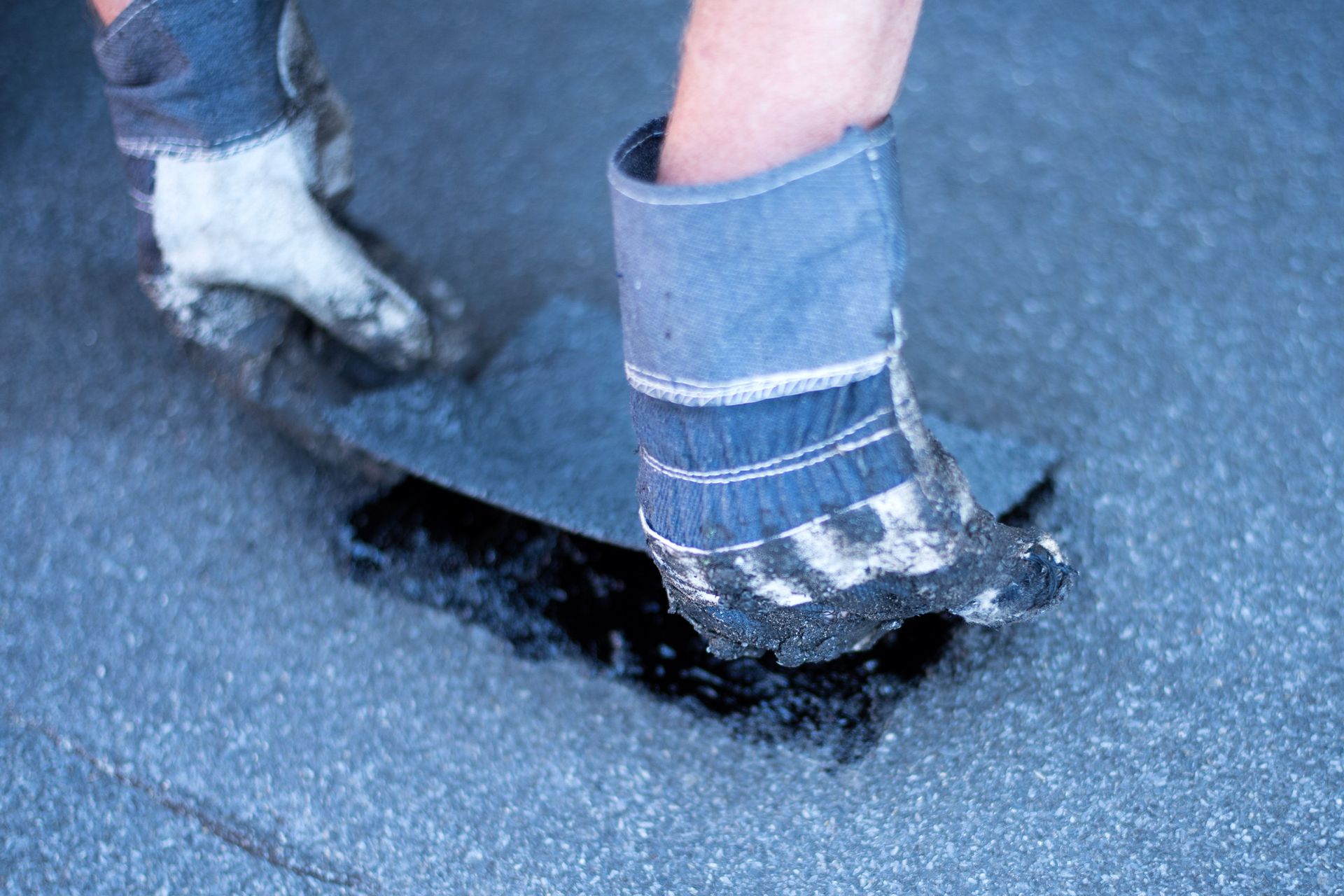
Once the fire department permits you to approach the structure, your primary responsibility shifts to securing the site from weather and trespassers. Unprotected homes are highly vulnerable to vandalism, theft, and additional structural degradation from wind or rain. Standard insurance policies typically require homeowners to take reasonable steps to prevent further damage to the insured property. Boarding up broken windows, tarping damaged roofs, and fencing the perimeter are critical tasks that must be performed immediately. Many professional fire restoration companies offer emergency board-up services to handle these dangerous tasks safely on your behalf.
Entering a fire-damaged structure without explicit professional clearance poses severe safety risks that should never be ignored. Hidden structural weaknesses, toxic smoke particles, and compromised utility lines can cause severe injuries or long-term health complications. You should ensure that the electricity, gas, and water supplies are completely disconnected to eliminate secondary hazards like gas leaks or electrical shocks. Do not attempt to clean any surfaces yourself at this stage, as improper techniques can permanently ground soot into walls. Entrusting these hazardous tasks to certified fire restoration technicians guarantees that the property is stabilized without compromising human safety.
Securing the property also means protecting your sensitive personal information and remaining valuable items from exposure. If it is deemed safe to enter briefly, prioritize retrieving essential documents such as birth certificates, Social Security cards, and insurance policies. Prescription medications, legal documents, and irreplaceable family heirlooms should also be removed if they are accessible and undamaged. If the structure is entirely unsafe, professional recovery teams can later search for these items using specialized safety gear. Protecting these vital personal assets early prevents identity theft and simplifies your administrative recovery.
Document Every Piece of Destruction Thoroughly
Before any cleanup or structural manipulation begins, you must meticulously document the condition of your entire home and its contents. Take high-resolution photographs and videos from multiple angles of every room, focusing on both structural elements and personal items. This visual evidence serves as an indisputable record for your insurance adjuster, ensuring you receive fair compensation for your losses. Do not discard any damaged belongings, no matter how ruined they appear, until an insurance representative has inspected them. Thorough documentation at this stage forms the backbone of a successful fire restoration claim and prevents financial discrepancies.
In addition to visual media, compiling a comprehensive written inventory of all affected items is highly beneficial. Detail the approximate purchase date, original cost, brand, and serial numbers of expensive electronics or appliances whenever possible. Grouping items by category or room can help you stay organized and ensure nothing is accidentally omitted from your final report. Keeping digital copies of receipts, bank statements, or online orders will further substantiate the value of your lost possessions. This rigorous data collection significantly accelerates the administrative portion of your fire restoration process, allowing repairs to commence sooner.
Remember that structural damage can extend far beneath the surface, affecting electrical wiring, plumbing networks, and insulation inside the walls. Take detailed notes of any strange odors, flickering lights, or soft spots in the flooring that you observe. Share these observations directly with your restoration contractor so they can perform targeted inspections of these hidden areas. Capturing these subtle details early prevents future hazards and ensures your insurance policy covers the true scope of work. Accurate records eliminate guesswork and provide peace of mind throughout the entire rebuilding journey.
Navigate the Initial Cleanup Process
Managing the physical aftermath of a blaze requires specialized knowledge and equipment that standard household cleaning supplies simply cannot provide. Soot and smoke are highly acidic substances that continuously corrode building materials and belongings if left untreated. Professional mitigation teams utilize advanced air scrubbers, thermal foggers, and specialized chemical cleansers to neutralize toxic residues effectively. Attempting to wipe down walls or vacuum soot with regular appliances will only spread the contamination further into the porous materials. Immediate professional intervention stops this progressive degradation, making comprehensive fire restoration far more achievable and affordable.
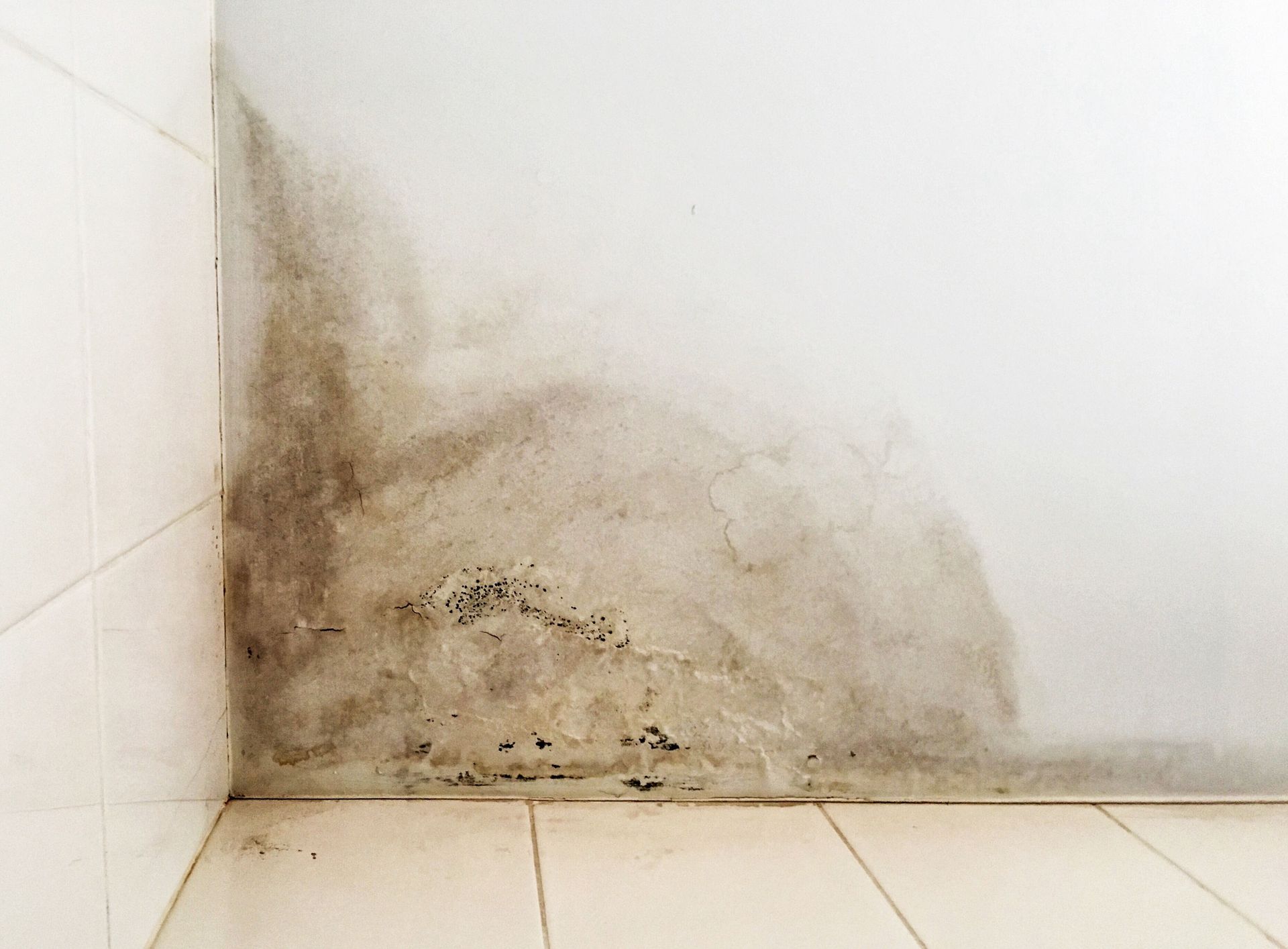
Water damage is another major component of recovery that homeowners frequently overlook during the initial forty-eight hours. The thousands of gallons of water used by firefighters to extinguish the flames can saturate walls, floors, and personal property, creating a breeding ground for mold. Professional water extraction and structural drying must begin concurrently with smoke mitigation to prevent severe secondary biological growth. Specialized dehumidifiers and high-capacity air movers must run continuously to stabilize the indoor relative humidity. Addressing this moisture immediately is a vital prerequisite for any recovery project, ensuring a healthy environment for future reconstruction.
Recovering from a major household disaster is undoubtedly a marathon rather than a sprint, requiring patience, organization, and professional guidance. The actions you execute during the first forty-eight hours remain paramount in determining the speed and financial viability of your long-term recovery. By prioritizing safety, contacting your insurer, documenting losses, and securing the premises, you lay a solid foundation for rebuilding your life. Selecting a certified partner to manage the intricate technical details ensures your home is returned to its previous condition safely. Professional
fire restoration services transform a chaotic catastrophe into a structured, manageable path toward reclaiming your sanctuary.
At Tri Cat Restoration, we understand the immense emotional and physical toll that a house fire takes on your family. We are fully committed to standing by your side every step of the way, providing expert mitigation, documentation support, and comprehensive structural rebuilding. Contact our dedicated team today to let us handle the burden of recovery while you focus on healing.