March 20, 2026
Water damage is a significant threat to businesses, often causing disruption and financial strain. The adverse effects of water damage can range from immediate operational challenges to long-term structural concerns. Water restoration companies play a pivotal role in mitigating these issues, offering expertise and resources necessary for businesses to recover and continue their operations. Their rapid response and comprehensive services provide businesses with the support needed to minimize downtime and prevent further complications. Without these specialized services, many companies would struggle to manage the aftermath of water-related disasters.
Understanding Water Damage and Its Impact on Businesses
Types of Water Damage
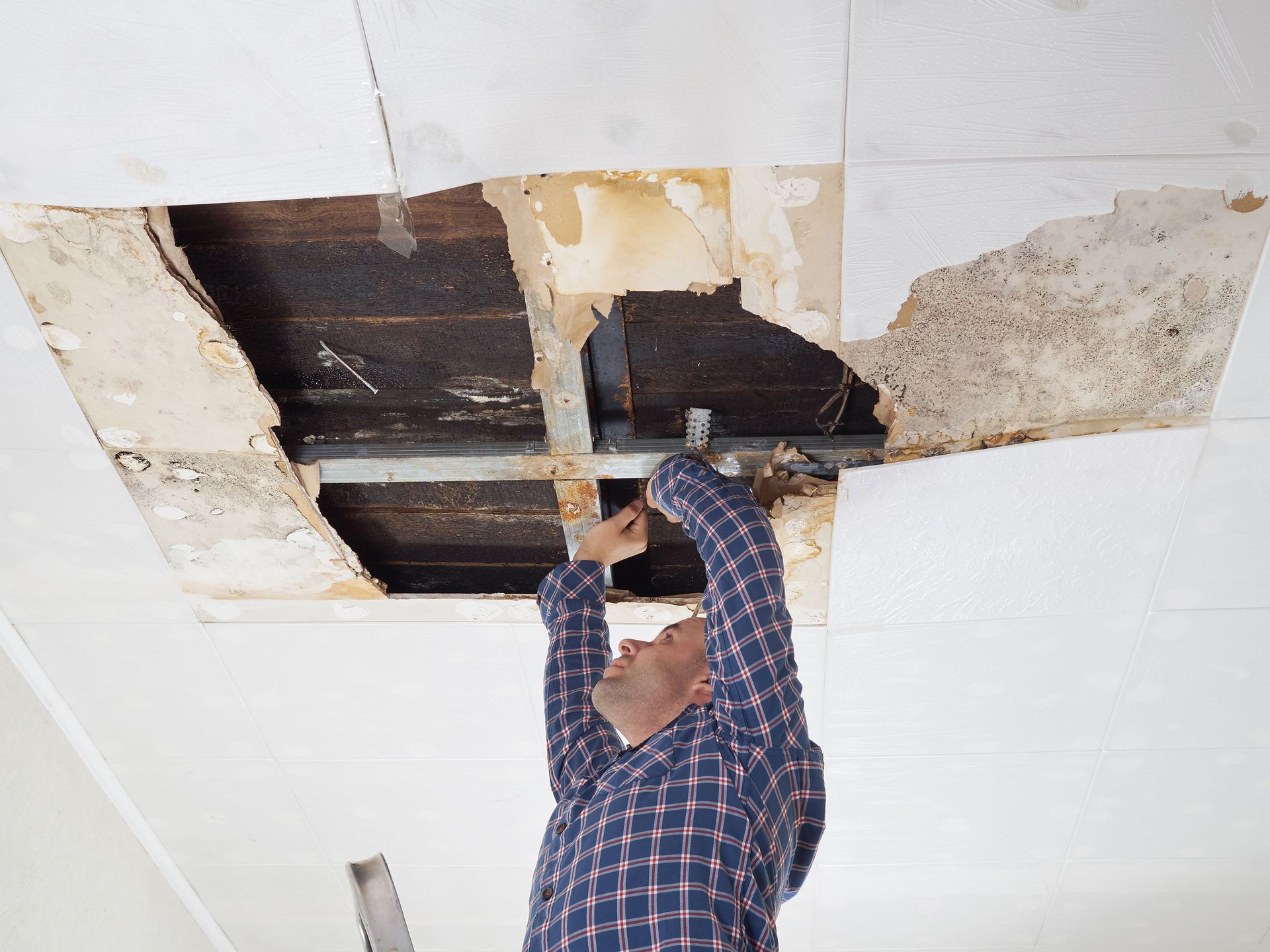
Water damage can manifest in several forms, each with its unique challenges. Common types include flooding caused by natural disasters, pipe bursts due to infrastructure failures, and minor leaks from faulty plumbing. Each type necessitates a different approach for effective restoration, further complicating recovery efforts. Flooding often results in extensive damage, requiring large-scale interventions, while pipe bursts might only demand localized repairs. Restoration companies must be well-versed in addressing the specific conditions caused by each type of water incident.
Immediate Effects on Business Operations
When a business experiences water damage, the immediate effects are often disruptive. Operations may need to be halted to address safety concerns and begin damage control processes. Shutdowns lead to significant losses in revenue and can affect customer relationships and employee productivity. Efficient intervention by water restoration companies is crucial in minimizing these damaging effects and ensuring businesses can resume operations swiftly. Prolonged downtime not only impacts financial performance but also damages a company's reputation if not addressed promptly.
Long-Term Consequences of Water Damage
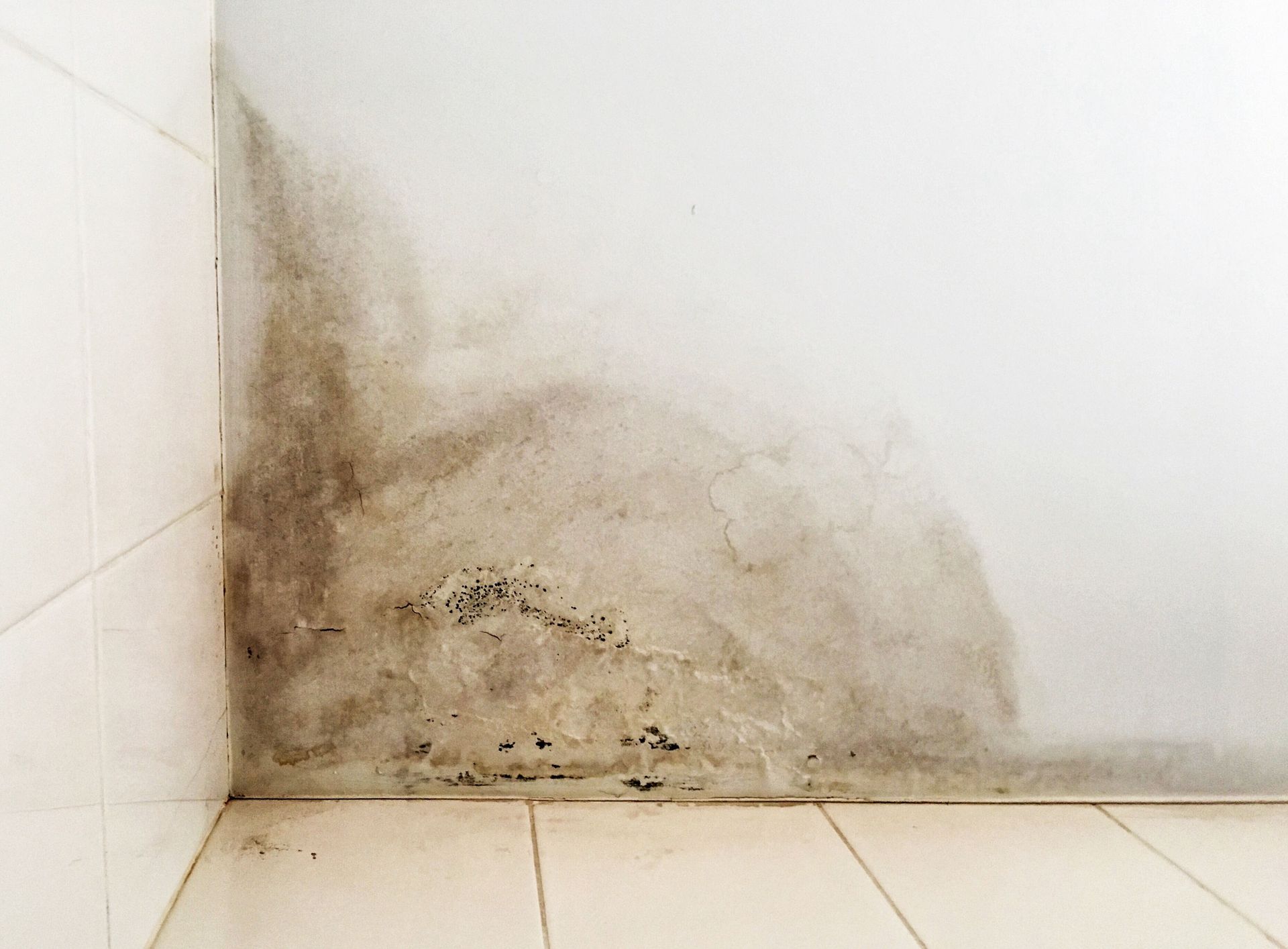
Beyond the initial disruption, water damage can lead to long-term issues such as mold growth and structural deterioration. If left unchecked, these problems can escalate, posing health risks and further financial burdens. According to the EPA, mold can start growing between 24 and 48 hours after water damage, making timely intervention critical. Structural integrity may also be compromised, necessitating repairs and reinforcements to ensure safety and compliance. The lingering effects of water damage underscore the importance of comprehensive restoration efforts.
The Financial Burden of Water Damage
Water damage inflicts a significant financial burden on affected businesses. Costs accumulate from immediate repairs, replacement of damaged goods, and potential reconstruction efforts. Additionally, businesses face expenses from prolonged downtime, impacting cash flow and overall profitability. Insurance may cover some costs, but deductibles and potential limits often mean businesses absorb substantial financial hits. Effective water restoration is essential in managing these costs, as rapid, thorough recovery can mitigate financial losses.
The Emotional and Psychological Impact
Water damage can affect business owners and employees emotionally and psychologically. The uncertainty and stress of the situation can lead to anxiety and decreased morale. Employees may feel insecure about their job stability, while owners grapple with the pressure of restoring operations. Water restoration companies provide communication and support vital for alleviating such concerns, offering a sense of control and reassurance. Addressing the emotional and psychological impacts is essential for restoring a productive and positive work environment post-disaster.
Initial Assessment and Response
Quick Evaluation by Restoration Experts
In the aftermath of water damage, a swift evaluation by restoration experts is crucial. These professionals assess the extent of the damage, identifying critical areas requiring immediate attention. The evaluation process involves sophisticated tools to detect hidden moisture that might not be visible to the naked eye. Quick assessments are vital for developing an efficient action plan and coordinating with necessary stakeholders. By understanding the full scope of damage, restoration companies can prioritize actions to maximize recovery impact.
Emergency Water Extraction Techniques
Water extraction is an urgent task following damage, as standing water continues to wreak havoc. Restoration companies deploy advanced techniques for rapid water removal, minimizing further damage. Using industrial-grade equipment, they effectively pump out large volumes of water, even in hard-to-reach places. This crucial stage of restoration helps avert mold growth, with efforts concentrated heavily in the first 48 hours of damage. By focusing on prompt extraction, businesses are protected from extended deterioration and safety hazards.
Preventing Further Damage
Once water is extracted, restoration services turn to preventing further damage. Immediate actions include drying exposed surfaces, safeguarding electrical installations, and dehumidification efforts. Without these measures, businesses risk developing mold and compromising air quality. Restoration experts utilize advanced technology to ensure thorough drying, preventing microbes from taking hold. Proactive damage prevention is a cornerstone of effective restoration, protecting businesses from long-term, costly consequences.
Communication with Business Owners
Effective communication between restoration experts and business owners is essential in managing recovery processes. Water restoration companies ensure that business owners are informed about assessment findings and recommended actions. Regular updates build trust and keep owners engaged in decision-making. With clear communication, restoration plans align with business priorities, reducing uncertainties. This partnership is critical in coordinating strategies that best support comprehensive, timely recovery efforts.
Safety Measures for Workers and Clients
Ensuring safety is a top priority during water restoration processes. Companies implement strict protocols to protect workers and clients, including personal protective equipment and site inspections. Safety standards are enforced to guard everyone from potential hazards, such as electric shocks or structural collapses. Compliance with safety regulations is essential to mitigate risks, enabling a secure working environment throughout restoration. Through adherence to these measures, water restoration companies uphold the welfare of all individuals involved.
Water Damage Mitigation Strategies
The Role of Advanced Technology
Advanced technology plays a pivotal role in water damage mitigation strategies. Innovative equipment, such as infrared cameras and moisture detectors, provides accurate assessments of hard-to-see areas. Technology allows for precise interventions, improving the efficiency and effectiveness of restoration efforts. By implementing state-of-the-art tools, restoration experts can streamline processes and minimize downtime. The use of advanced technology is vital in restoring business premises promptly and effectively.
Effective Drying and Dehumidification
Drying and dehumidification are critical steps in mitigating water damage. Water restoration companies deploy high-powered fans and dehumidifiers to accelerate moisture removal. This prevents mold growth. Effective drying stabilizes the environment, allowing for safe reconstruction efforts to proceed. By focusing on complete dehumidification, restoration companies protect businesses from further microbial and structural risks.
Anti-Mold and Anti-Microbial Treatments
Following drying, anti-mold and anti-microbial treatments are applied to prevent microorganism growth. These treatments infiltrate surfaces, inhibiting mold spores and bacteria that thrive in moist conditions. Restoration experts select products based on safety and effectiveness for both the building and its occupants. For businesses, these treatments are an investment in maintaining health standards and preventing future outbreaks. Through skilled application, restoration teams ensure environments are not only restored but also protected against future threats.
Efficient Debris Removal
Debris removal is a necessary part of water damage recovery. Restoration teams efficiently clear out damaged materials, ensuring safe disposal according to environmental standards. This step facilitates clean up, allowing for renovations and repairs to progress smoothly. Debris removal is strategic, preventing recontamination and contributing to the rapid restoration of business operations. By eliminating uprooted materials, businesses are free from residual hazards that hinder recovery.
Secure Storage and Content Restoration
During recovery, businesses often need secure storage for undamaged assets. Restoration companies offer facilities to protect equipment and furniture temporarily displaced due to damage. Content restoration services further salvage individual items, providing cleaning and disinfection where needed. This protective strategy ensures business continuity is not just about premises, but also about preserving enterprise assets for future operations. Water restoration companies enable owners to place emphasis on regenerating their physical space confidently.
Water restoration companies are indispensable allies in helping businesses recover from water damage and safeguard against future risks. Through their diverse services from initial assessments to comprehensive restorations, they ensure businesses minimize downtime and financial losses. Their role in preparing and equipping businesses with preventive measures marks an investment in resilience and continuity. In a world of unforeseen challenges, restoration experts provide not only recovery but prevention and preparation. Their expertise solidifies a business's ability to bounce back from water-related adversities, safeguarding future prosperity. Call Tri Cat Restoration today, and we'd be happy to help your business recover.