March 20, 2026
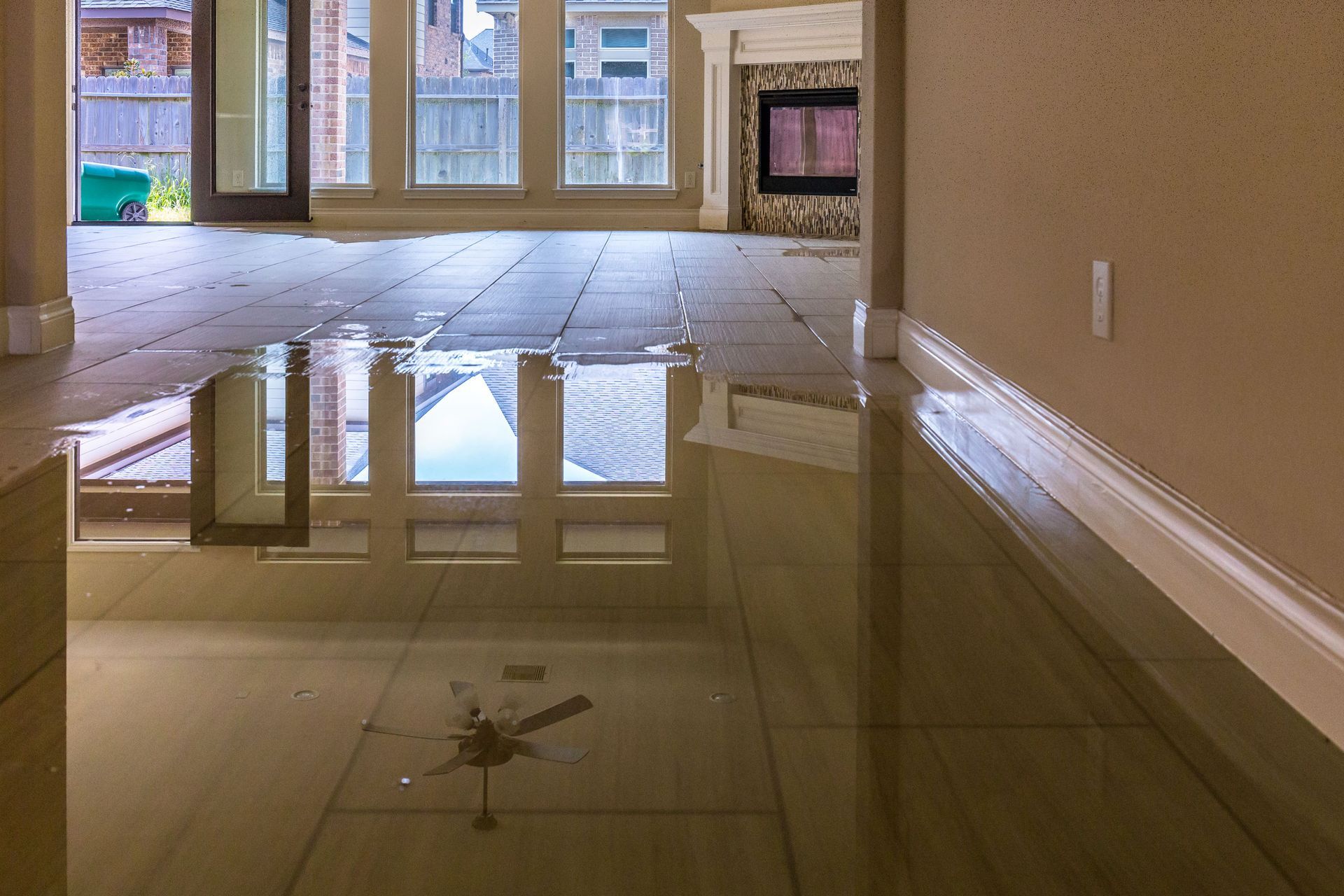
The moment water begins to crest over a doorframe or seep through a basement floor, the clock starts ticking against the structural integrity of your home. Flood damage is an aggressive adversary that doesn't wait for a convenient time to strike, often arriving in the wake of a sudden storm, a burst pipe, or a catastrophic appliance failure. For homeowners facing this crisis, the path to recovery can feel overwhelming and chaotic. This is where a professional water restoration company steps in to provide a stabilized, systematic approach to an otherwise volatile situation. Understanding how these professionals operate can bridge the gap between initial panic and a fully restored home.
The scale of this issue is larger than many property owners realize until they're personally affected. According to Ruby Home, each day across the U.S., approximately 14,000 individuals are forced to deal with the consequences of water damage. This staggering statistic highlights the fact that water emergencies are among the most common threats to property ownership in the country. Because the frequency of these incidents is so high, a specialized water restoration company must remain in a constant state of readiness, equipped with industrial-grade tools and advanced scientific knowledge of psychrometry. Tri Cat Restoration understands that when you're part of that daily statistic, you need more than just a cleanup crew; you need a partner who can navigate the complexities of moisture physics and insurance requirements to protect your investment.
Assessing the Immediate Hazards
The first phase of any emergency response involves a comprehensive evaluation of the site to identify hidden dangers and determine the category of the floodwater. When a water restoration company arrives at a property, the technicians immediately look for electrical risks, structural compromises, and biohazard threats. They categorize the water from Level 1, which is clean water from a broken pipe, to Level 3, which involves highly contaminated "black water" from sewage or outdoor flooding. This initial assessment is critical because it dictates the entire safety protocol and the types of antimicrobial treatments required. A water restoration company uses thermal imaging cameras and moisture meters to see behind walls and under floors, ensuring that the visible puddle isn't just the tip of a much larger iceberg hidden within the building's skeleton.
Extracting the Standing Water
Once the environment is deemed safe for entry, the focus shifts to the aggressive removal of liquid water. This stage is arguably the most vital in preventing secondary damage like mold growth or wood rot. A professional water restoration company utilizes heavy-duty submersible pumps and truck-mounted vacuum units to extract thousands of gallons of water in a fraction of the time it would take with consumer-grade equipment. By removing the bulk of the water quickly, the team reduces the humidity levels in the home and stops the "wicking" effect, where water climbs up drywall and insulation. This rapid extraction process is the cornerstone of effective mitigation, as it significantly shortens the subsequent drying time and limits the amount of material that must be discarded and replaced during the final reconstruction phase.
Drying the Structural Components
After the standing water is gone, the property may look dry to the naked eye, but the structural materials remain saturated. This is the stage where a water restoration company deploys scientific drying strategies to pull deep-seated moisture out of studs, subfloors, and joists. Using industrial air movers, the team creates high-velocity airflow across surfaces to accelerate evaporation. Simultaneously, LGR (Low Grain Refrigerant) dehumidifiers are used to pull that evaporated moisture out of the air, preventing it from settling back into wooden furniture or ceiling tiles. A water restoration company monitors these machines daily, taking precise readings of the "dry standard" to ensure the environment is returning to its natural equilibrium. This phase requires patience and technical expertise to ensure that no pockets of moisture remain to facilitate future microbial growth.
Sanitizing the Affected Areas
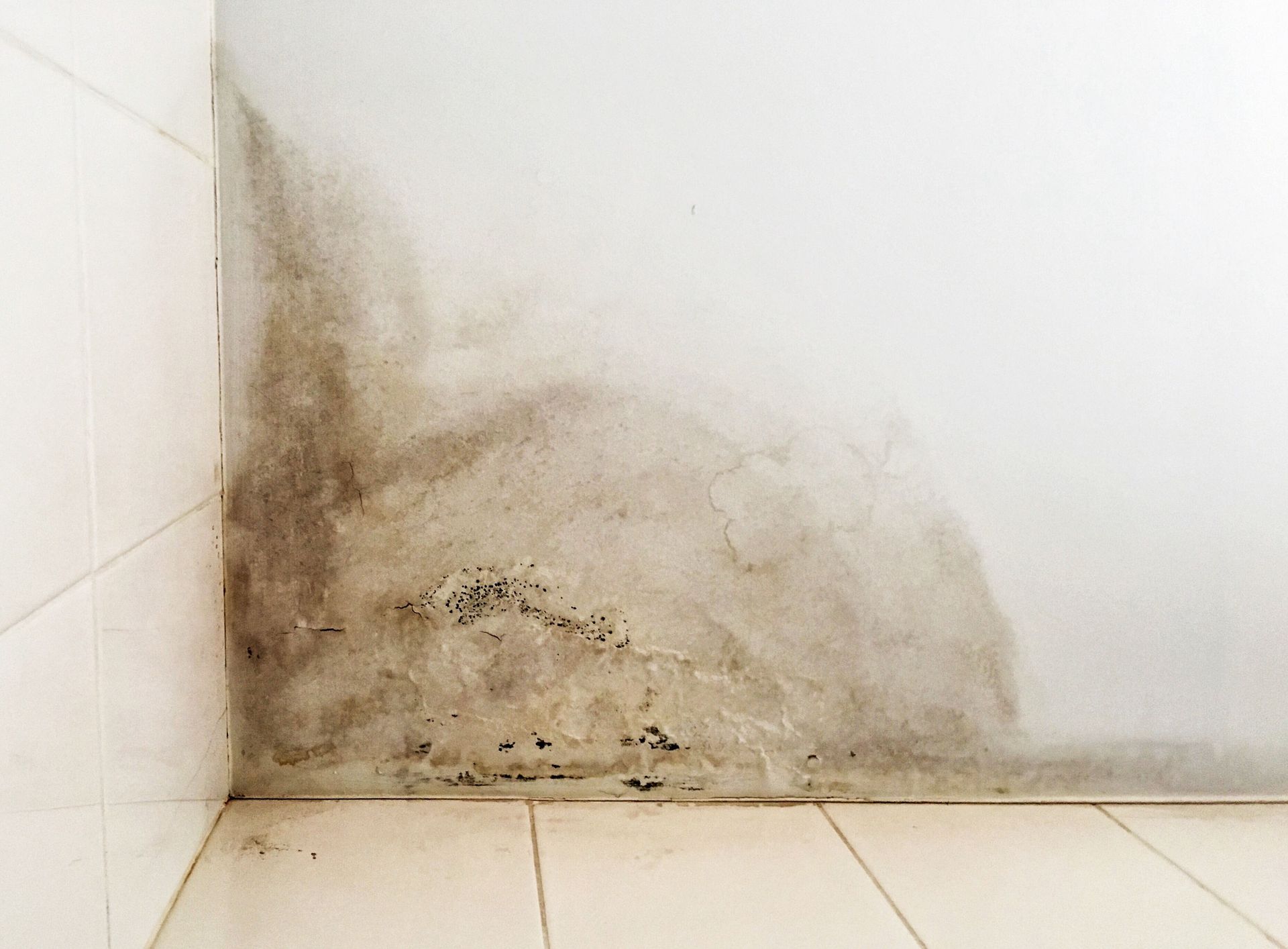
Flooding rarely involves pure water, and even clean water can become a breeding ground for bacteria within twenty-four hours. Therefore, a water restoration company prioritizes a rigorous sanitization and deodorization process once the structural drying is underway. Technicians apply EPA-approved antimicrobial treatments to all affected surfaces to kill existing pathogens and inhibit the growth of mold and mildew. Beyond just health concerns, water damage often leaves behind a stagnant, musty odor that can permeate upholstery and carpeting. To combat this, the restoration team may use ozone generators or hydroxyl machines to neutralize odors at a molecular level. This thorough cleaning ensures that the home isn't only structurally sound but also a healthy, breathable environment for the family to return to without the lingering scent of a flood.
Restoring the Damaged Property
The final step in the journey is the transition from mitigation to full restoration and repair. While the earlier stages focus on stopping the damage, this phase focuses on returning the home to its pre-loss condition or better. A water restoration company manages the installation of new drywall, the laying of fresh flooring, and the repainting of walls that were stripped during the extraction process. This seamless handoff from the cleanup crew to the reconstruction team is what makes a full-service provider like Tri Cat Restoration so valuable. Instead of the homeowner having to coordinate between various contractors, the restoration experts oversee the entire project. This ensures that the aesthetic finish of the home matches the high technical standards of the structural drying, bringing the long and difficult process to a satisfying and complete conclusion.
Managing the Complex Insurance Claims
One of the most stressful aspects of a flood isn't just the water itself but the mountain of paperwork that follows. A professional water restoration company acts as a vital intermediary between the homeowner and the insurance provider to ensure the claims process is handled accurately. These experts document every step of the mitigation process with photos, moisture maps, and detailed equipment logs. By providing this level of granular data, a water restoration company helps prove the necessity of each service, which can expedite the approval of funds for repairs. This advocacy is crucial because insurance adjusters rely on professional evidence to determine the scope of coverage. Having a knowledgeable team on your side ensures that no damage goes unnoticed and that you receive the maximum benefit allowed under your policy, allowing you to focus on your family's well-being rather than complex administrative burdens.
Navigating a flood is a test of resilience for any property owner, but it isn't a journey that has to be taken alone. From the moment the first gallon of water is pumped out to the final coat of paint on a restored wall, the expertise of a professional team makes all the difference in the world. The goal of a high-quality restoration service is to minimize the interruption to your life and maximize the protection of your property. By acting quickly and following a proven scientific method, experts can save materials that might otherwise be lost and prevent health hazards that could linger for years. When the unthinkable happens and your home is under threat, remember that professional help is the most effective tool in your arsenal to reclaim your space and your peace of mind. For immediate assistance and expert care during a property crisis, contact Tri Cat Restoration.