November 17, 2026
A fire can cause extensive damage to a property in a surprisingly short amount of time. While flames may be the most visible source of destruction, smoke and soot can create additional problems that affect walls, ceilings, furniture, belongings, and indoor air quality. Even areas that appear untouched by the fire may have lingering damage that requires professional attention. Understanding how these substances spread and affect different materials is an important part of determining the appropriate restoration approach.
According to The Zebra, a small flame can become a major blaze in only 30 seconds. This rapid escalation highlights why a fire can leave behind such widespread damage, even when it initially appears relatively contained. Once the flames are extinguished, property owners must consider more than the visibly burned areas. Smoke residue, soot deposits, and lingering odors can all influence the fire restoration process. Knowing how these issues are addressed can help property owners understand what to expect as their homes or businesses are returned to a safe, usable condition.
How Smoke Spreads Beyond the Fire's Starting Point
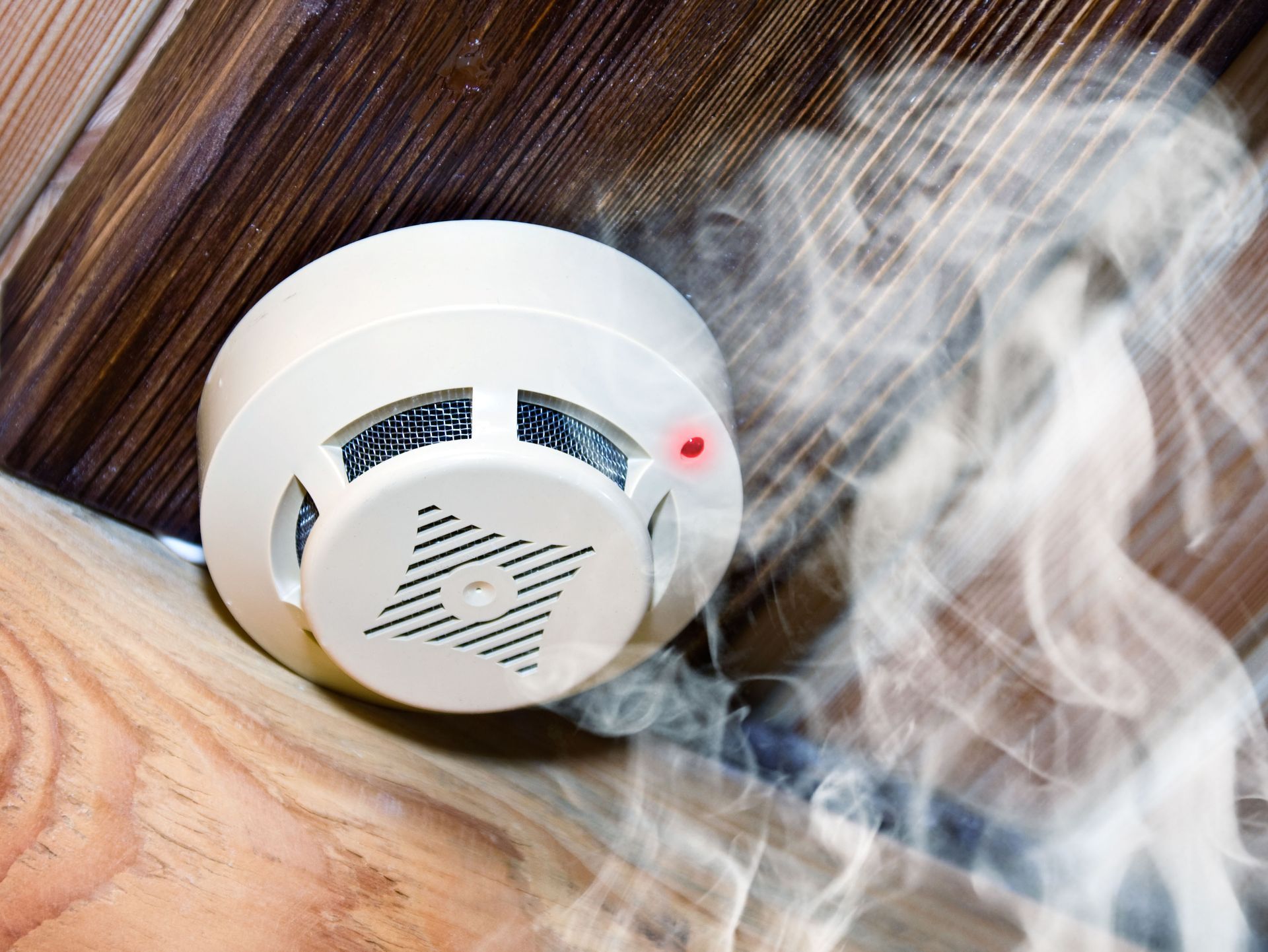
One of the biggest challenges during fire restoration is determining how far smoke has traveled throughout a property. Smoke is made up of gases and tiny particles produced when materials burn. As it moves through a building, it can travel through hallways, ventilation systems, doorways, and small openings between rooms. This means that areas far from the original fire may still experience significant smoke damage.
Smoke can also settle into porous materials, including carpeting, upholstery, curtains, mattresses, and clothing. These materials can absorb smoke particles and retain unpleasant odors long after the flames have been extinguished. Even painted walls, ceilings, and other hard surfaces may develop a noticeable film or discoloration.
Because smoke does not remain confined to the room where a fire begins, restoration professionals must evaluate the entire property rather than focusing exclusively on visibly burned areas. Identifying the full extent of smoke damage helps determine which surfaces require cleaning, which belongings may need specialized treatment, and whether certain materials should be replaced.
How Soot Affects Different Household Materials
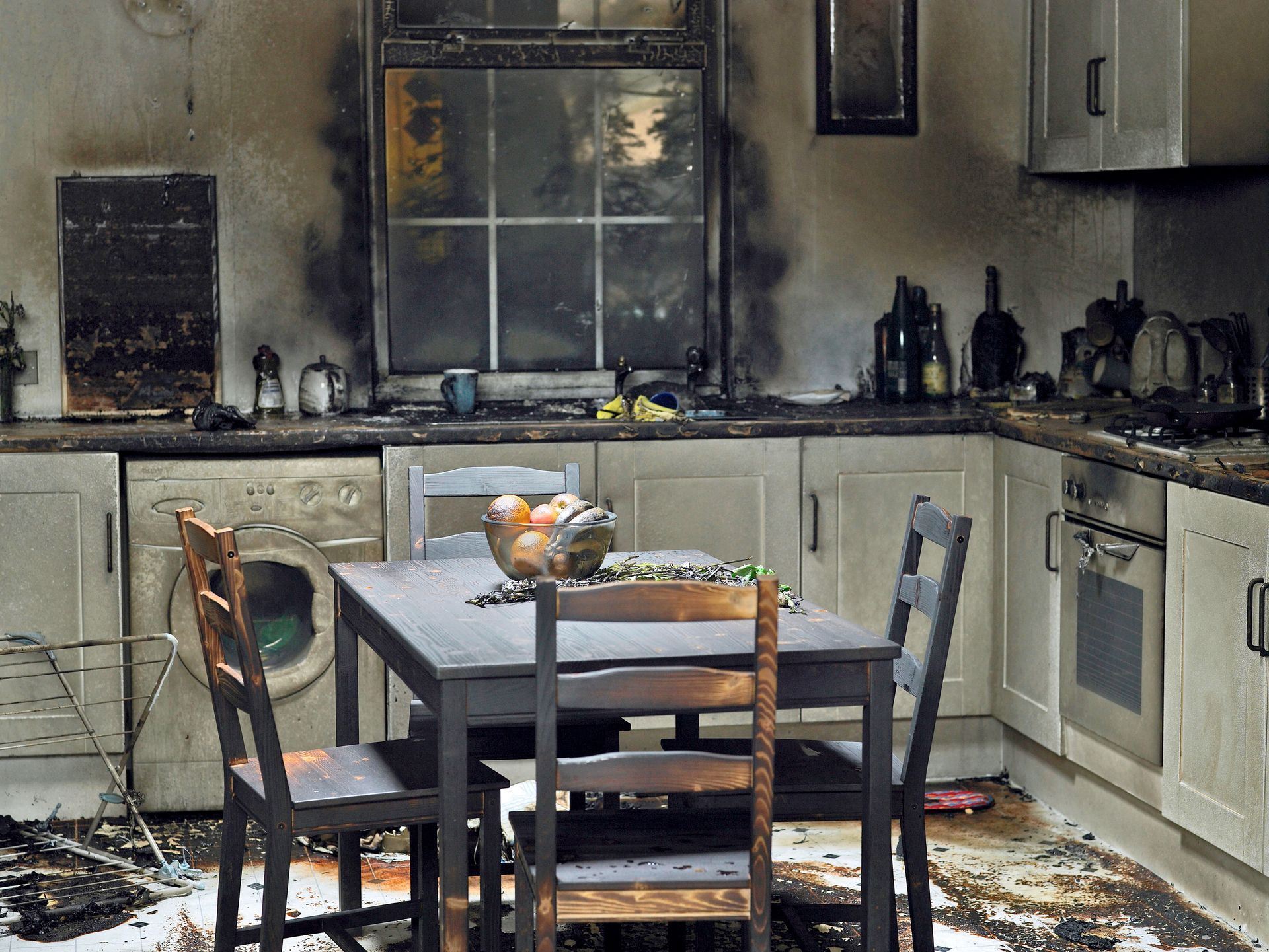
Soot is another major concern following a fire. This black or dark-colored residue forms when materials burn incompletely. It can settle on nearly any surface, including furniture, electronics, appliances, flooring, and building materials. However, the way soot affects a particular surface depends on its composition and how the residue interacts with it.
For example, soot can discolor painted walls, stain ceilings, and leave greasy deposits on countertops and cabinets. Some types of soot are dry and powdery, while others are oily or sticky. These differences matter because using the wrong cleaning method can spread the residue or push it deeper into porous materials. Aggressive scrubbing may also damage delicate finishes.
Electronics and appliances require additional consideration because soot particles can enter small openings and accumulate on internal components. This buildup may interfere with electrical connections or contribute to corrosion over time. Restoration professionals must determine whether equipment can be safely cleaned or whether replacement is necessary.
During fire restoration, identifying the type of soot and the materials it has affected helps establish the appropriate cleaning approach. Different surfaces may require specialized products, equipment, and techniques to remove residue without causing further damage.
How Smoke Odors Complicate the Cleaning Process
Removing visible soot does not necessarily eliminate the smell of smoke. Smoke odors can linger because microscopic particles penetrate porous materials and settle in areas that are difficult to reach through ordinary cleaning. As a result, a property may look clean while still having a noticeable smoky odor.
Common odor-retaining materials include carpets, upholstered furniture, insulation, drywall, and wooden surfaces. If smoke particles penetrate these materials, simply wiping down exposed surfaces may not provide a lasting solution. Odors can also return when temperatures or humidity levels change, making it important to address the underlying source rather than temporarily masking the smell.
Professional restoration methods may include specialized deodorizing treatments, air filtration, and equipment designed to neutralize odor-causing particles. Depending on the severity of the damage, some porous materials may need to be removed and replaced because their contamination cannot be adequately addressed through cleaning alone.
The extent of odor removal required can significantly influence the fire restoration timeline. Professionals must evaluate which materials can be salvaged, determine the appropriate treatment methods, and verify that lingering odors have been addressed before the property is considered ready for use.
How Smoke and Soot Influence Restoration Priorities
Every fire creates a different combination of damage, which means restoration professionals cannot rely on one standard cleaning procedure for every property. The location of the fire, the materials involved, the amount of smoke produced, and the length of exposure all influence the restoration plan.
One of the priorities is assessing the property's overall condition. Professionals inspect affected rooms, identify structural concerns, and determine how far smoke and soot have spread. They may also evaluate ventilation systems, insulation, and concealed spaces where residue could accumulate.
Once the assessment is complete, the restoration process can be organized around the property's specific needs. This may involve removing damaged materials, cleaning salvageable belongings, treating contaminated surfaces, and addressing smoke odors. Air filtration and other environmental cleaning measures may also be necessary.
Cleaning often needs to happen in a particular order. For example, removing loose soot before applying certain cleaning solutions can help prevent additional staining. Likewise, heavily contaminated materials may need to be removed before other areas can be thoroughly cleaned. Following an organized process helps limit cross-contamination and prevents unnecessary damage to unaffected surfaces.
These considerations make professional
fire restoration more involved than simply repairing the areas directly exposed to flames. A successful plan must account for both visible destruction and the less obvious effects of smoke and soot.
How Professional Restoration Protects Indoor Spaces
After a fire, returning a property to a safe and comfortable condition requires attention to more than its appearance. Smoke residue can affect indoor air quality, while soot and other combustion byproducts may remain on surfaces and inside building systems. Proper cleanup helps address these concerns before occupants return to normal activities.
Restoration professionals use specialized equipment and cleaning methods to manage different types of contamination. Depending on the situation, this may include HEPA filtration, appropriate surface-cleaning products, controlled removal of damaged materials, and professional deodorization equipment. Protective equipment and proper handling procedures are also important when dealing with potentially hazardous residues.
Ventilation systems deserve particular attention because smoke particles may enter ductwork and circulate throughout a building. If contamination is present, cleaning or other corrective work may be necessary to prevent particles and odors from continuing to affect indoor spaces.
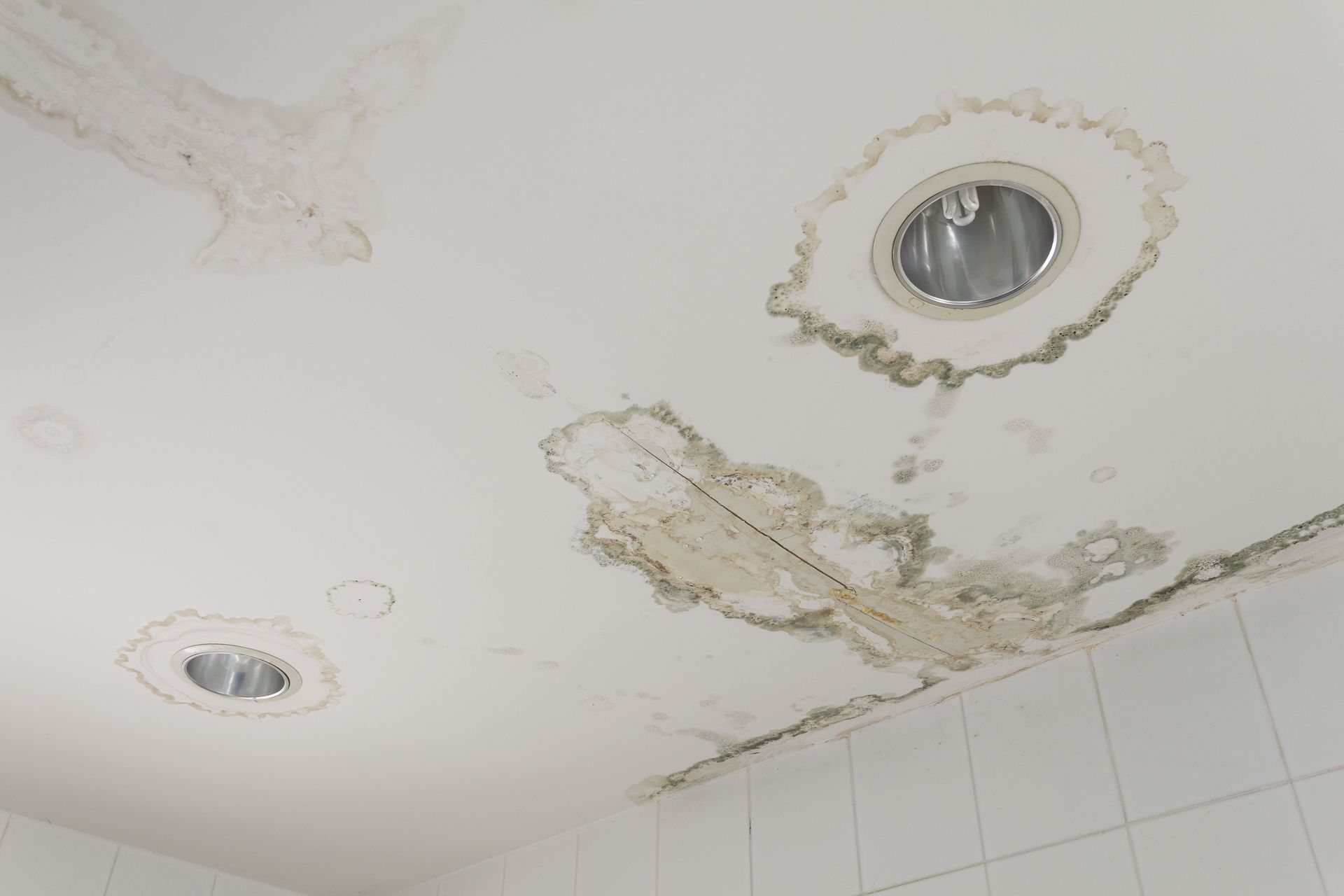
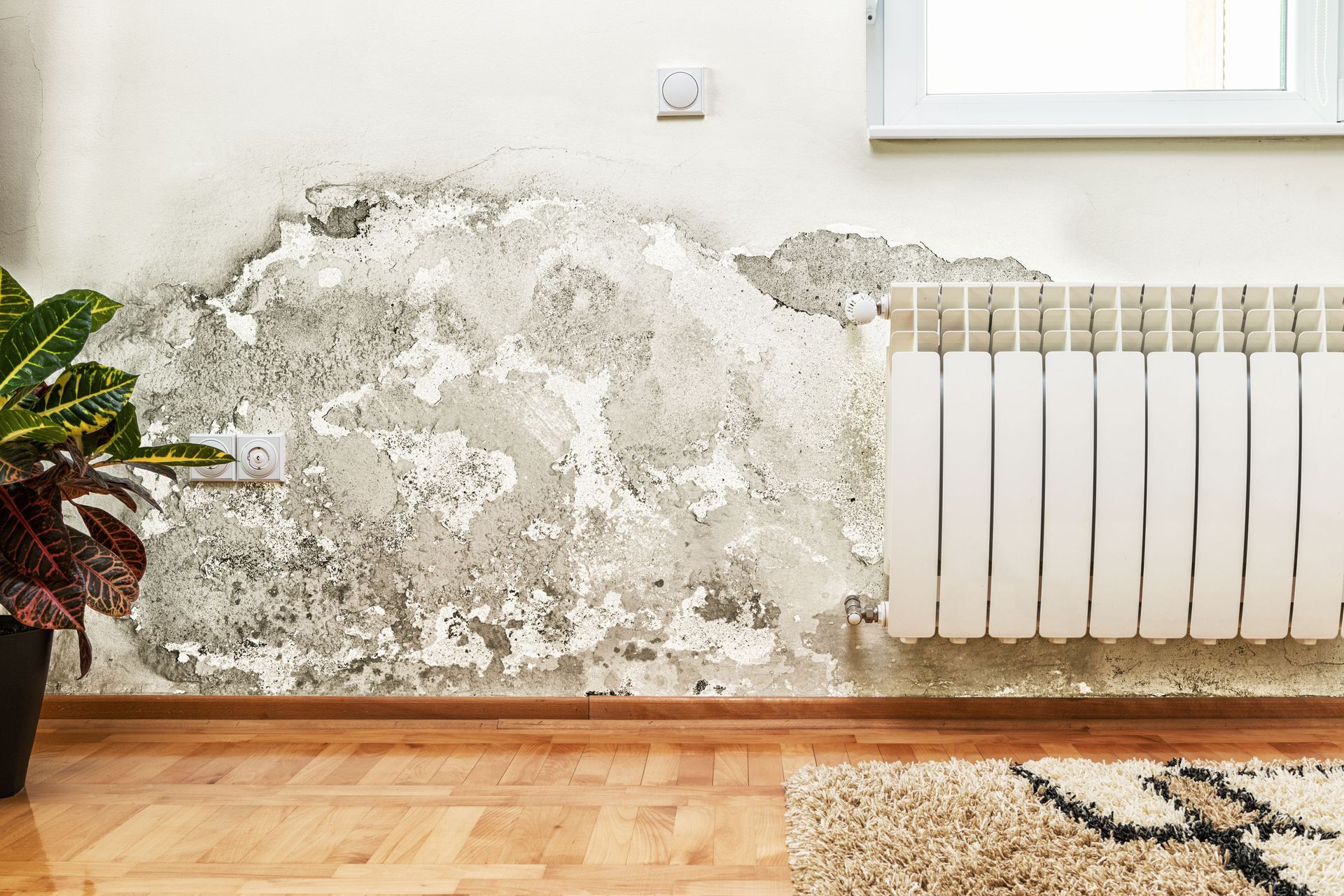
Throughout the process, professionals must also consider moisture introduced during firefighting efforts. Water used to extinguish flames can soak flooring, drywall, insulation, and other materials. If this moisture is not properly addressed, it may contribute to additional problems, including mold growth. Coordinating fire, smoke, soot, and water damage work helps ensure that important restoration needs are not overlooked
Smoke and soot can make recovering from a fire more complicated than many property owners initially expect. While burned materials and structural damage are often easy to identify, smoke particles, stubborn odors, and hidden soot deposits can create problems throughout an entire building. Each type of damage requires careful evaluation and an appropriate cleaning or replacement method.
A thorough fire restoration process considers how smoke traveled, which materials absorbed soot, and whether additional concerns such as contaminated ventilation systems or water damage need attention. By addressing these issues systematically, restoration professionals can help property owners move beyond the visible aftermath of a fire and work toward restoring their spaces.
Tri Cat Restoration understands the importance of addressing the different forms of damage a fire can leave behind. Recognizing the effects of smoke and soot is an important first step toward planning the work needed to restore a property. Contact us today for more information.