November 19, 2026
Water damage inside a home demands immediate, decisive action. Whether caused by a burst pipe, severe storm, roof leak, or appliance failure, uncontrolled water travels quickly through building materials. Porous components like subflooring, drywall, and framing absorb moisture within minutes, initiating degradation before dampness is noticed. Delaying remediation escalates cosmetic issues into severe structural crises. Homeowners who respond promptly protect their families, reduce overall expenses, and preserve long-term property integrity.
Understanding Immediate Structural and Health Risks
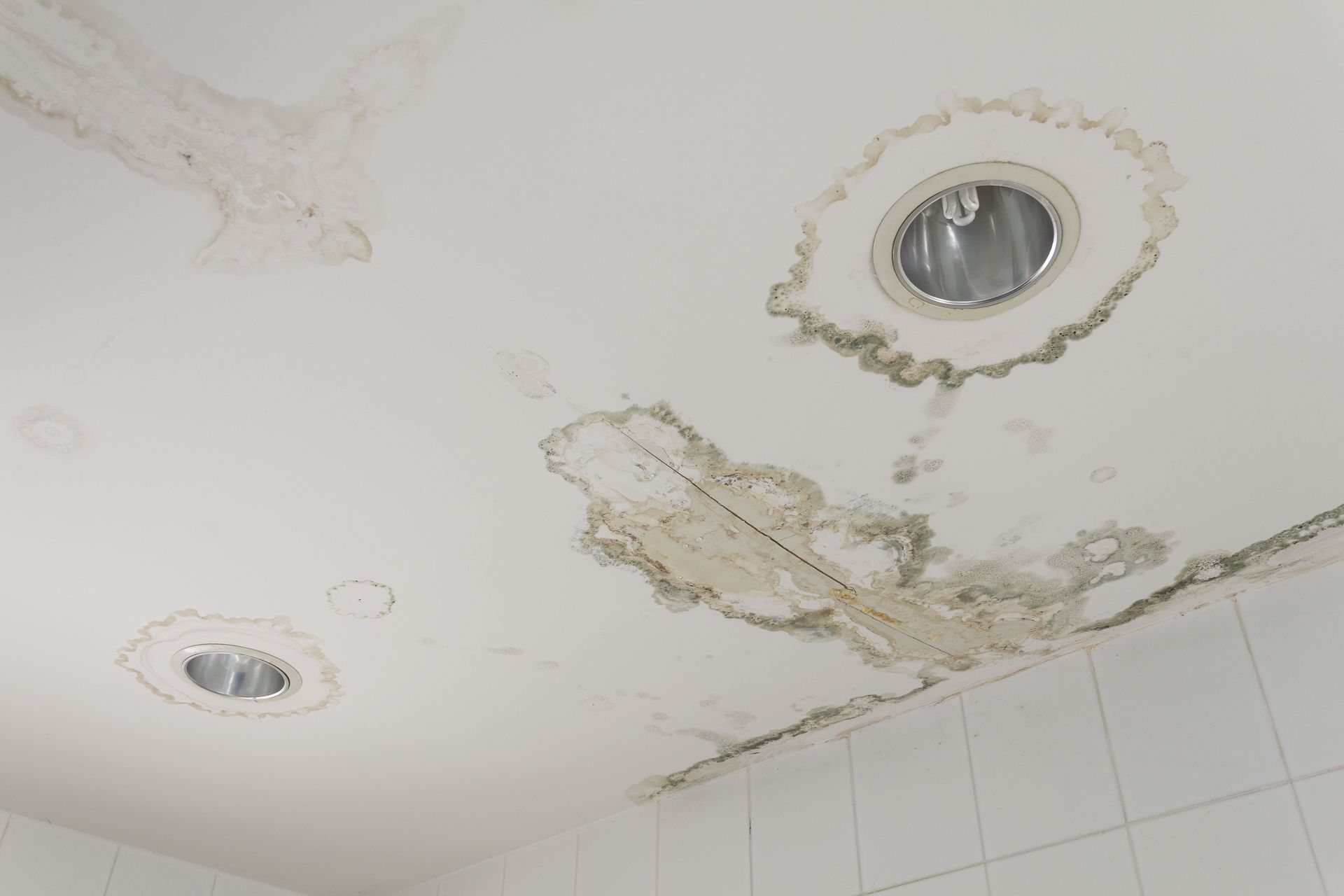
Unchecked water penetration compromises structural stability with astonishing speed. Porous wood absorbs moisture rapidly, causing studs, floor joists, and architectural beams to swell, warp, and weaken under load-bearing stress. Drywall disintegrates when saturated, losing cohesive strength and threatening sudden collapses of ceilings or wall partitions. Moisture also softens subfloor adhesives, buckles hardwood planks, and erodes foundational masonry mortar. Addressing standing water rapidly prevents prolonged saturation, ensuring structural members retain integrity without requiring complete architectural demolition.
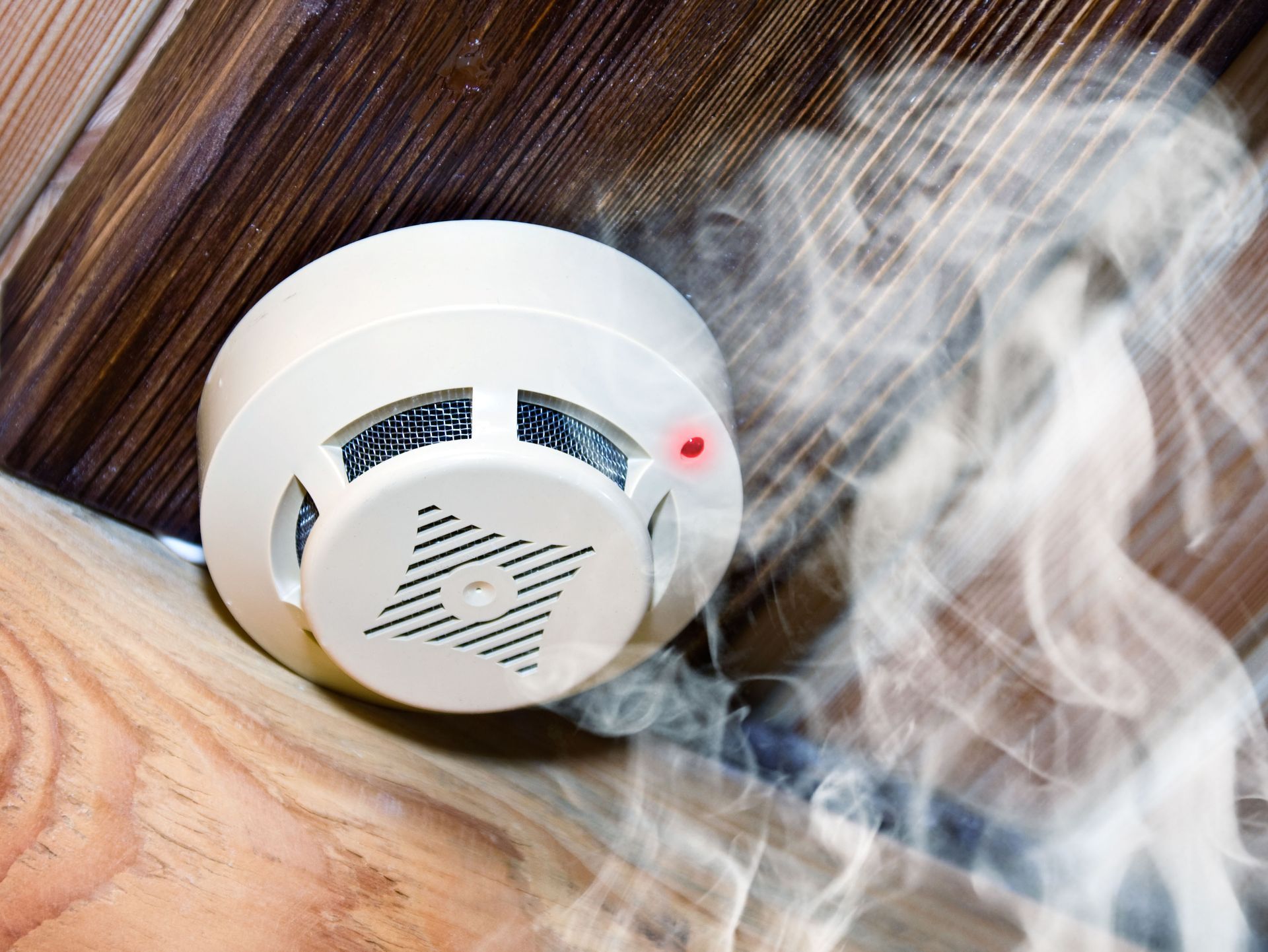
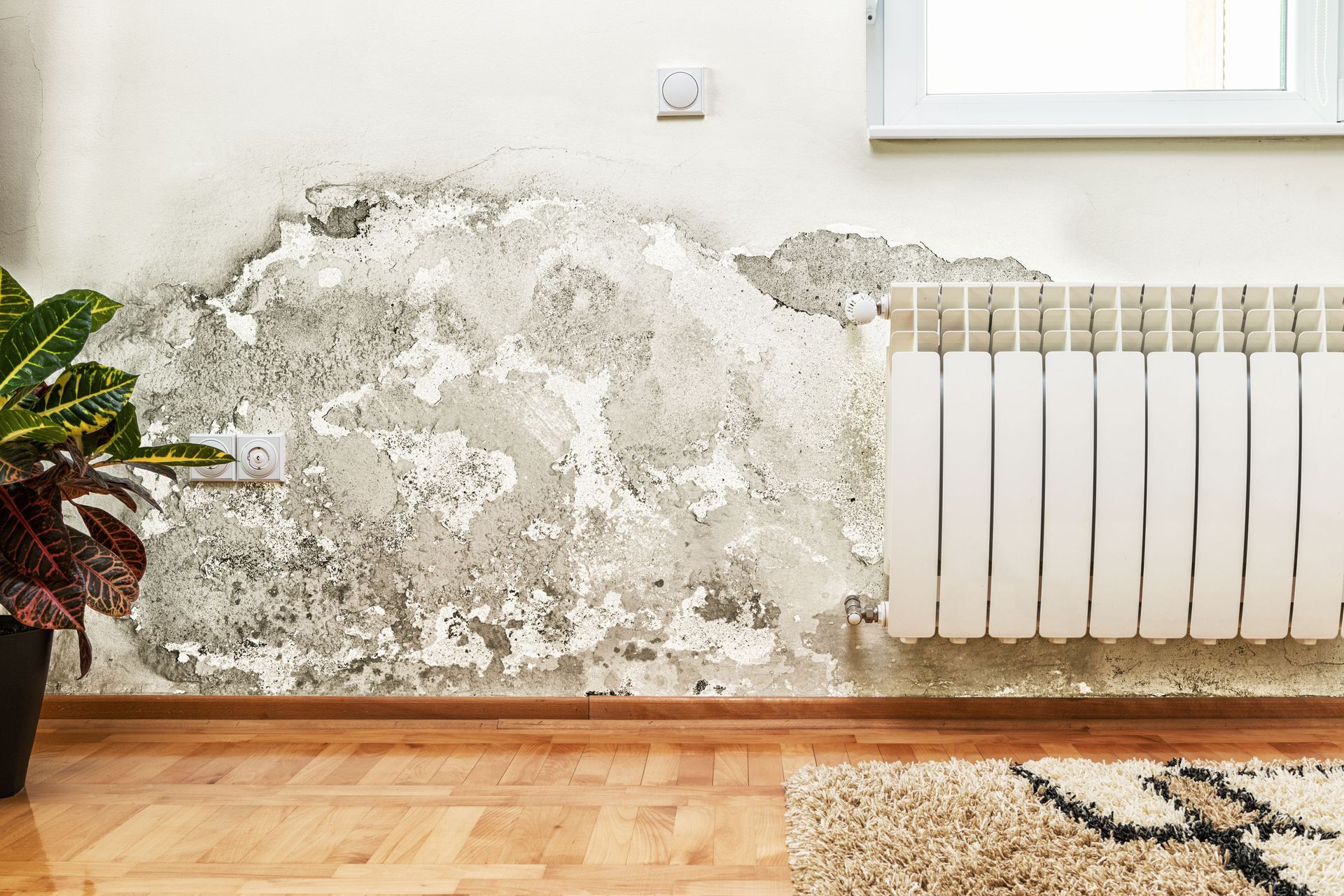
Biological contamination represents another immediate hazard triggered by domestic moisture incidents. According to the EPA, mold can start growing within 24 to 48 hours after water damage. Microbial spores proliferate swiftly throughout damp porous substrates, releasing allergens, mycotoxins, and irritants into indoor air supplies. These airborne contaminants trigger respiratory distress and allergic reactions in vulnerable individuals. Prompt physical containment and comprehensive antimicrobial applications halt biological propagation before colonies establish permanent footholds throughout building envelopes.
Hidden electrical hazards and personal property destruction compound initial moisture devastation. Infiltrating water penetrates electrical wall boxes, switches, and conduits, creating short circuits, corrosion, and immediate fire or shock risks. Concurrently, sensitive household items such as family keepsakes, documents, upholstered furniture, and consumer electronics suffer irreversible harm when submerged. Rapid extraction and controlled atmospheric stabilization offer the highest probability of salvaging irreplaceable personal treasures before saturation renders them total losses.
Executing the Multi-Stage Remediation Process
Professional restoration follows a methodical, scientifically validated framework designed to eliminate trapped moisture thoroughly. The sequence commences with an exhaustive inspection utilizing moisture meters, penetrating probes, and infrared cameras to chart hidden migration pathways. Technicians identify water contamination categories, pinpoint affected building assemblies, and establish containment zones to protect unaffected rooms. This systematic assessment generates a tailored restoration blueprint, ensuring technicians address underlying saturation behind baseboards rather than merely treating surface dampness.
Once mapping is complete, crews initiate bulk water extraction using commercial submersible pumps, truck-mounted extraction units, and weighted floor machines. Removing standing water physically is far faster than evaporative drying, making rapid liquid extraction the bedrock of structural stabilization. Technicians quickly follow extraction with the strategic installation of industrial air movers and dehumidifiers. Air movers sweep dry air across moist surfaces to accelerate evaporation, while dehumidifiers condense ambient moisture to draw trapped water from structural frames.
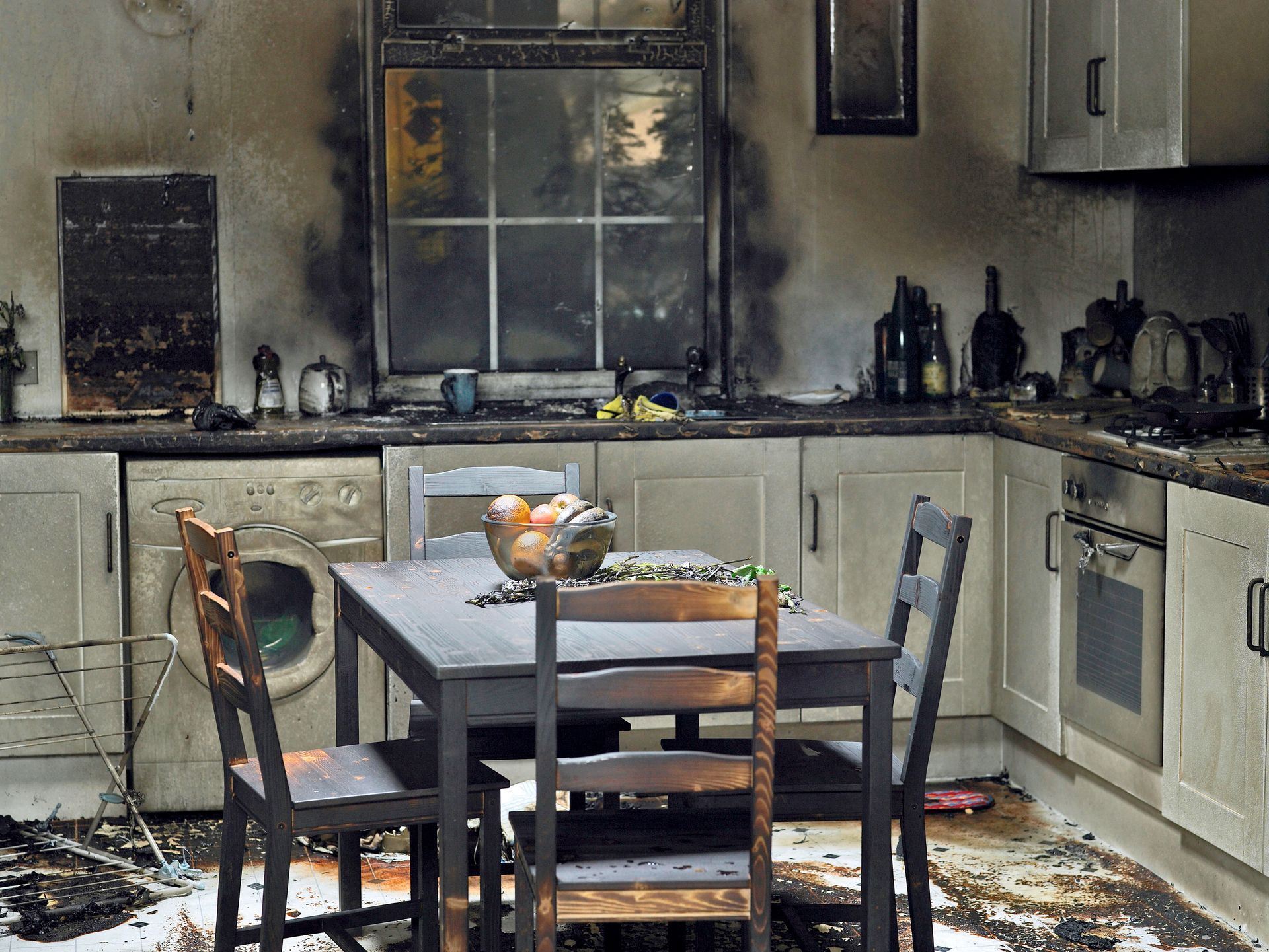
The concluding remediation phases center on thorough decontamination, sanitization, and architectural repairs. Technicians apply hospital-grade antimicrobial solutions to clean salvaged materials, eliminating bacterial pathogens, fungal particulates, and lingering odors. Porous contents undergoing remediation receive specialized treatments to neutralize foul scents at a molecular level. Finally, skilled tradespeople rebuild the living environment, executing drywall patching, trim carpentry, floor replacements, and paint applications to return damaged living quarters to pristine standards.
Leveraging Specialized Expertise and Advanced Equipment
Navigating complex property saturation demands technical competence far exceeding standard domestic maintenance skills. Technicians certified by the Institute of Inspection, Cleaning and Restoration Certification adhere to psychrometric science, which governs thermodynamic moisture behaviors in indoor environments. These professionals calculate vapor pressure, dew points, and airflow patterns to optimize drying environments within enclosed residential structures. Engaging certified water restoration services ensures structural drying proceeds safely, preventing unintended secondary damage caused by improper thermal manipulation.
Advanced diagnostic and industrial drying technology provides a decisive advantage during residential recovery efforts. Restoration specialists deploy sensitive thermal imaging equipment that detects minute temperature differentials indicative of trapped pocket water. Calibrated moisture meters accurately determine equilibrium moisture content within framing lumber, concrete slabs, and sheetrock. In addition, high-velocity centrifugal blowers and low-grain refrigerant dehumidifiers extract dozens of gallons daily, delivering drying speeds that retail fans cannot match.
Professional providers also extend invaluable expertise regarding regulatory compliance, preventative maintenance, and detailed insurance claim documentation. Technicians photograph loss details, record drying logs, itemize nonsalvageable contents, and submit standardized estimates directly to insurance adjusters. Their objective reporting substantiates policy claims, eliminates friction during claim adjudication, and secures legitimate settlements. Technicians also identify building vulnerabilities, advising homeowners on pipe insulation, sump pump redundancy, and drainage corrections to prevent future catastrophe.
Securing Financial Savings and Preserving Home Value
Mitigating moisture incidents swiftly yields substantial financial benefits for property owners by curbing exponential repair escalation. Unchecked saturation weakens architectural assemblies, warps costly hardwood floors, and ruins custom cabinetry, turning minor plumbing leaks into costly reconstruction projects. Early intervention circumvents extensive replacement needs by salvaging structural components through controlled drying techniques. By stabilizing domestic environments early, utilizing water restoration services dramatically restricts demolition scopes, protecting homeowners from massive out-of-pocket expenditures on avoidable reconstruction.
Preserving long-term market valuation represents another critical financial objective during post-incident recovery. Real estate valuations plummet when inspection reports reveal a history of dry rot, warped framing, persistent musty smells, or past microbial proliferation. Buyers routinely demand steep discounts or walk away entirely from homes demonstrating questionable water mitigation records. Professional restoration documentation provides tangible evidence that moisture was completely extracted and materials safely sanitized, assuring prospective buyers and appraisers of the home's sound condition.
Prompt physical action additionally preserves entitlement to essential insurance policy benefits. Standard homeowner policies obligate insured policyholders to execute reasonable emergency measures to protect property from further progressive damage. Delaying mitigation or permitting standing moisture to deteriorate property unabated invites claim denials or reduced coverage payouts based on perceived homeowner neglect. Rapid professional remediation establishes clear evidence of prudent stewardship, satisfying insurance company stipulations and accelerating claim payouts.
Debunking Common Misconceptions About Property Damage
A prevalent misconception among homeowners is that do-it-yourself techniques adequately resolve residential water infiltration. Many believe opening windows, setting up utility fans, and running a shop vacuum eliminates domestic moisture issues. However, surface evaporation leaves deep interstitial cavities, subfloors, and insulation saturated with trapped liquid. Without industrial air containment and dehumidification, retail fans simply circulate moist air and spores throughout living quarters, worsening contamination while concealed building materials decay out of sight.
Another widespread misunderstanding is the presumption that minor surface puddles indicate minor overall damage. Water moves via capillary action, migrating upward through drywall cores and creeping behind baseboards far beyond the visible spill perimeter. Homeowners frequently assume a surface is completely dry simply because it feels dry to the touch, unaware that moisture meters reveal dangerous saturation levels inside wall cavities. Partnering with professional water restoration services eliminates this dangerous guesswork by employing sensitive electronic diagnostics to detect moisture behind clean finishes.
Homeowners also erroneously assume water damage consequences unfold slowly over several weeks. In reality, liquid saturation deteriorates adhesives, loosens tiles, and causes sheetrock sagging within hours of contact. Waiting several days to seek professional assistance allows progressive deterioration to compound, complicating restoration requirements and increasing overall remediation expenses. Recognizing the urgency of immediate intervention enables homeowners to discard these myths and pursue proactive measures before minor issues evolve into catastrophic property loss.
Taking immediate, decisive action safeguards personal belongings, protects household health, and preserves the enduring equity of your home. Rather than attempting uncertain do-it-yourself drying methods or delaying professional evaluation, securing prompt mitigation guarantees total peace of mind throughout the entire recovery journey. For more information about the services that we offer, reach out to our incredible team at Tri Cat Restoration today!