February 19, 2026
Water damage has a way of escalating quickly, turning what looks like a minor inconvenience into a serious problem for your home or business. A small leak, an overflowing appliance, or unexpected flooding can seep into walls, floors, and hidden spaces before you realize the full scope of the damage. Knowing when to act and who to call can make a significant difference in how much damage occurs and how costly the repairs become.
Many property owners hesitate before reaching out for professional help, often hoping the issue will resolve itself with basic cleanup. While this approach may work for very minor incidents, most water damage situations require more than towels and fans. Knowing when to call water restoration services can help protect your property, prevent long-term issues, and restore your space safely and efficiently.
Recognizing Immediate Water Damage Emergencies
One of the clearest signs that it is time to call professional restoration services is the presence of standing water inside your property. Whether it comes from a burst pipe, a backed-up drain, or storm-related flooding, standing water can quickly soak into flooring and structural materials. The longer it remains, the more damage it causes, increasing the risk of warped surfaces, weakened foundations, and contamination.
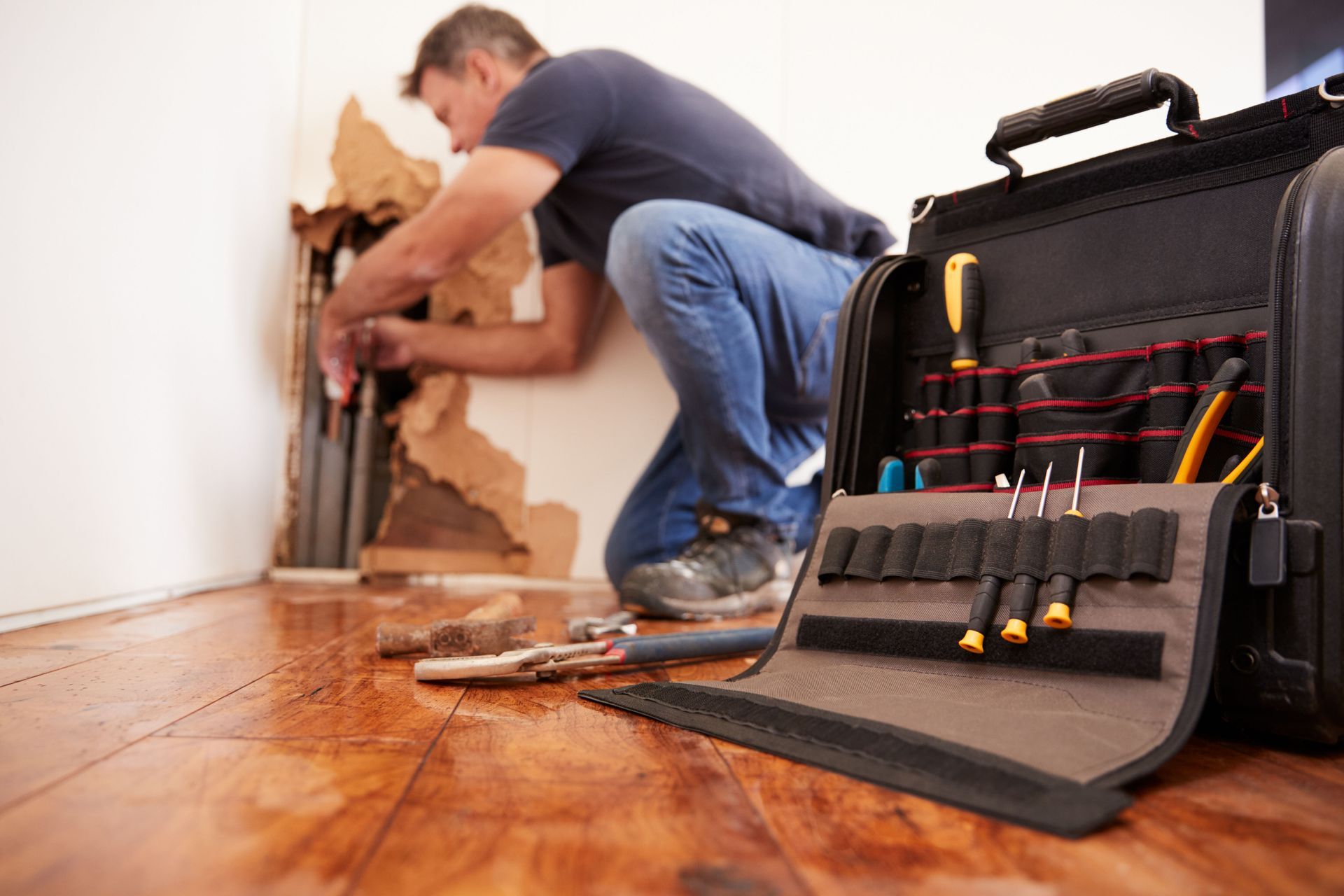
Another urgent scenario involves water that is actively spreading. If you notice water moving across rooms, seeping under baseboards, or dripping through ceilings, the situation is no longer contained. Active water intrusion often indicates a larger underlying issue that requires professional equipment to stop the source and remove moisture effectively.
Electrical concerns also signal an emergency. Water near outlets, appliances, or breaker panels poses serious safety risks. In these cases, attempting DIY cleanup can be dangerous. Water restoration professionals are trained to handle these situations safely while coordinating with other specialists when needed.
Water damage caused by sewage backups or contaminated sources should always be treated as an emergency. This type of water can carry harmful bacteria and pathogens. Professional restoration teams have the proper protective gear and sanitation methods to address these hazards safely and thoroughly.
Identifying Hidden Water Damage
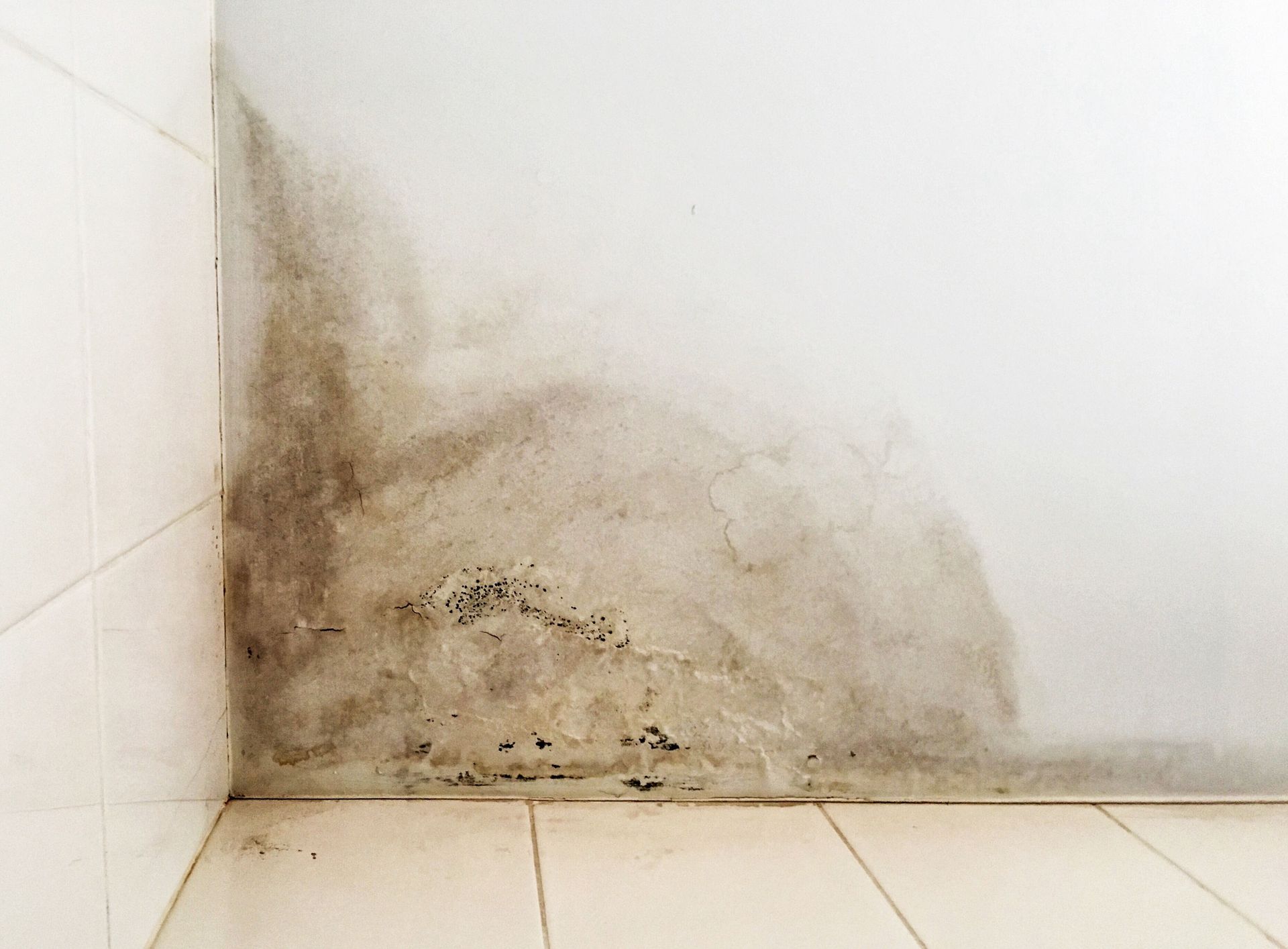
Not all water damage announces itself immediately. In many cases, moisture seeps into walls, flooring, or insulation where it remains unseen. Over time, this hidden moisture can lead to structural deterioration and unpleasant odors. If you notice unexplained dampness, discoloration, or peeling paint, it may be time to call water restoration services to investigate further.
Water damage that goes unnoticed for days or weeks often becomes more expensive to repair. According to Ruby Home, over 14,000 individuals experience water damage daily in the U.S., highlighting how common and often underestimated these situations can be. Many of these cases involve damage that was not obvious at first, allowing moisture to linger and worsen over time.
Unusual smells are another red flag. A musty or earthy odor often indicates trapped moisture or early mold growth. Even if surfaces appear dry, these smells suggest that water has penetrated deeper into the materials. Restoration professionals use moisture detection tools to locate and address these hidden issues.
Delayed water damage can also affect indoor air quality. Damp materials can release particles into the air, leading to discomfort or health concerns for occupants. Calling professionals early helps ensure that moisture is fully removed and the environment is restored to a safe condition.
Evaluating the Risk of Mold Growth
One of the most serious consequences of untreated water damage is mold growth. Mold can begin developing within a short time after moisture exposure, especially in warm or poorly ventilated areas. If you suspect mold or see visible growth, calling water restoration services becomes essential.
Even small water incidents can create the conditions mold needs to thrive. A minor leak behind a wall or under flooring can remain unnoticed while mold spreads. By the time it becomes visible, the damage may already be extensive. Professional restoration teams understand how to address both the water source and the affected materials to prevent further spread.
Health concerns are another reason to act quickly. Mold spores can cause irritation and discomfort, particularly for individuals with sensitivities. Restoration professionals follow proper containment and remediation procedures to reduce exposure and restore a healthy living space.
Attempting to handle mold issues without professional help often leads to incomplete removal. Without addressing the underlying moisture problem, mold is likely to return. Calling water restoration services ensures that both the visible and hidden aspects of the problem are properly resolved.
Assessing Structural and Material Damage
Water can weaken building materials in ways that are not always immediately apparent. Wood can swell and rot, drywall can crumble, and flooring can warp or separate. If you notice changes in the structure or stability of your property after water exposure, it's time to call restoration professionals.
Ceiling stains or sagging areas may indicate water accumulation above, which can eventually lead to collapse if not addressed. Restoration professionals can safely assess the damage and recommend appropriate repairs.
Furniture, cabinetry, and belongings are also affected by prolonged moisture. While some items may be salvageable with professional drying techniques, others may require replacement. Restoration teams help evaluate what can be saved and what should be removed to prevent further damage.
In commercial settings, structural water damage can disrupt operations and create safety hazards. Prompt professional intervention minimizes downtime and helps ensure compliance with safety standards. Calling professionals early can reduce long-term costs and restore normal use more quickly.
Deciding When Professional Help Is Necessary
Knowing when to call water restoration services often comes down to the scale and complexity of the damage. Small spills or isolated surface moisture may be manageable with basic cleanup. However, when water has soaked into building materials or spread beyond a single area, professional help is usually necessary.
Time is a critical factor. The longer water remains, the more damage it causes. If you are unsure how long water has been present, it is safer to assume professional intervention is needed. Restoration teams can quickly assess the situation and take action to prevent further issues.
Insurance considerations also play a role. Many policies require prompt action to mitigate damage. Hiring professional water restoration services provides documentation and proof that appropriate steps were taken, which can help during the claims process.
Calling professionals offers peace of mind. Instead of guessing whether the damage has been fully addressed, you can rest assured that trained professionals have handled the situation using proper tools and methods.
Water damage can range from obvious emergencies to subtle problems that develop over time. Knowing when to call professional restoration services helps protect your property, your belongings, and the health of those who occupy the space. Acting quickly and decisively can prevent minor issues from turning into costly repairs.
If you ever find yourself unsure about the severity of water damage, it is better to seek professional guidance sooner rather than later. Early intervention not only limits damage but also ensures a thorough and safe restoration process. When it comes to water damage, timely action makes all the difference.
At Tri Cat Restoration, we’re ready to help you protect your property and peace of mind. Contact us today to learn how our professional water restoration services can quickly and safely get your home or business back to normal.